Chicken & Poultry
Chicken Pizza Crust Recipe
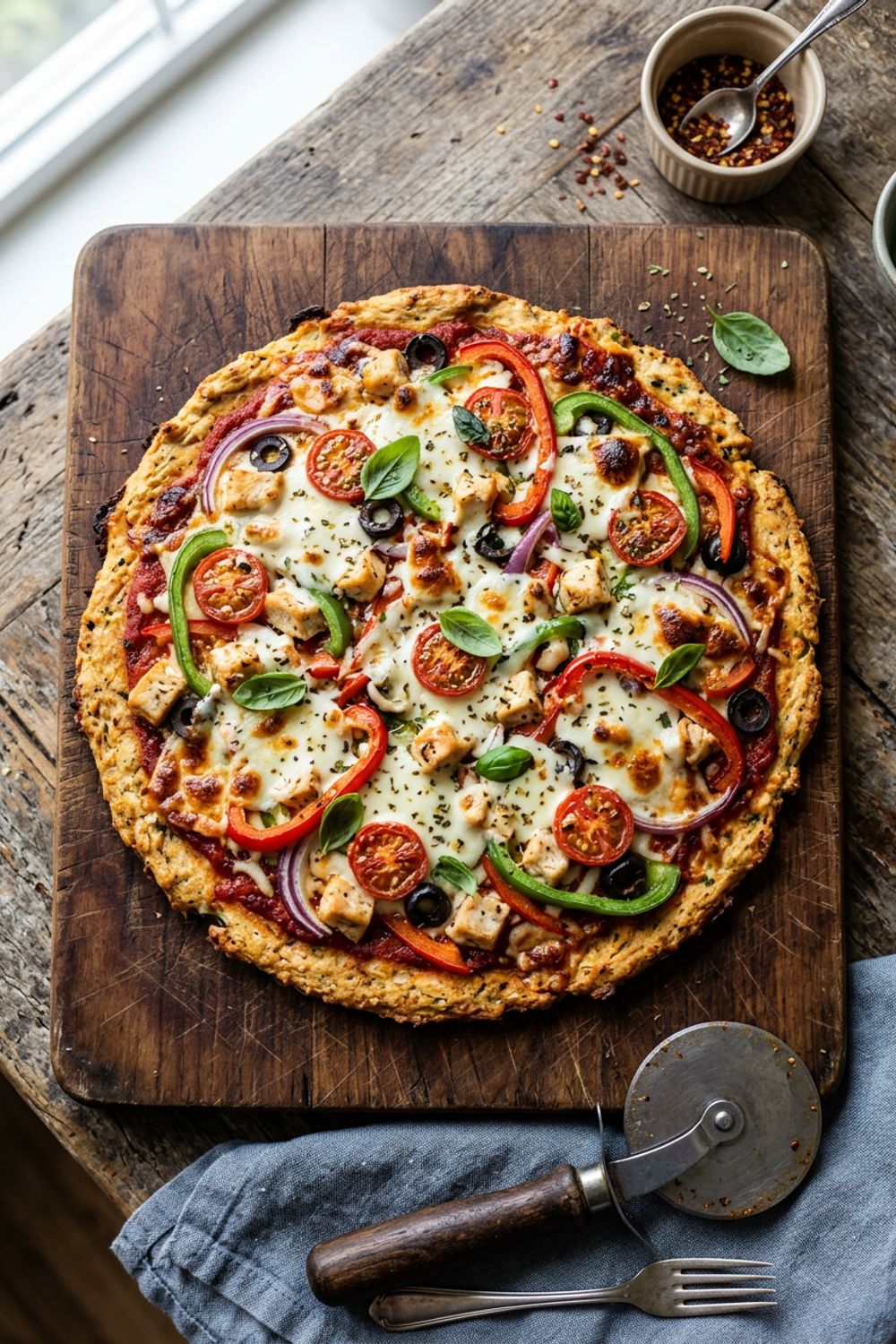
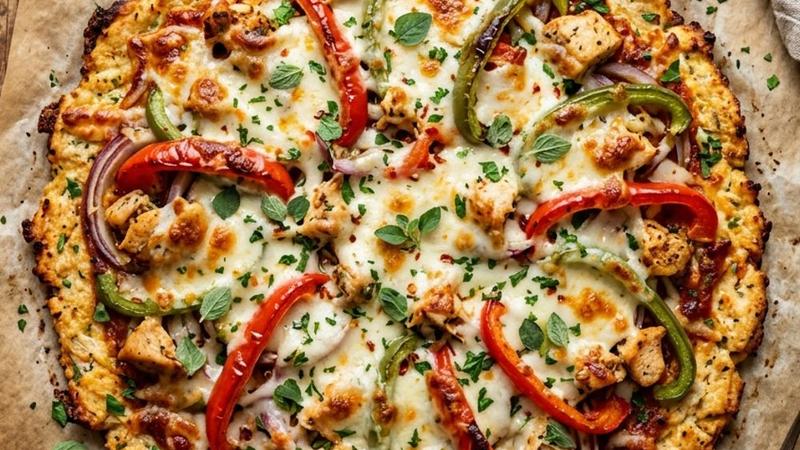
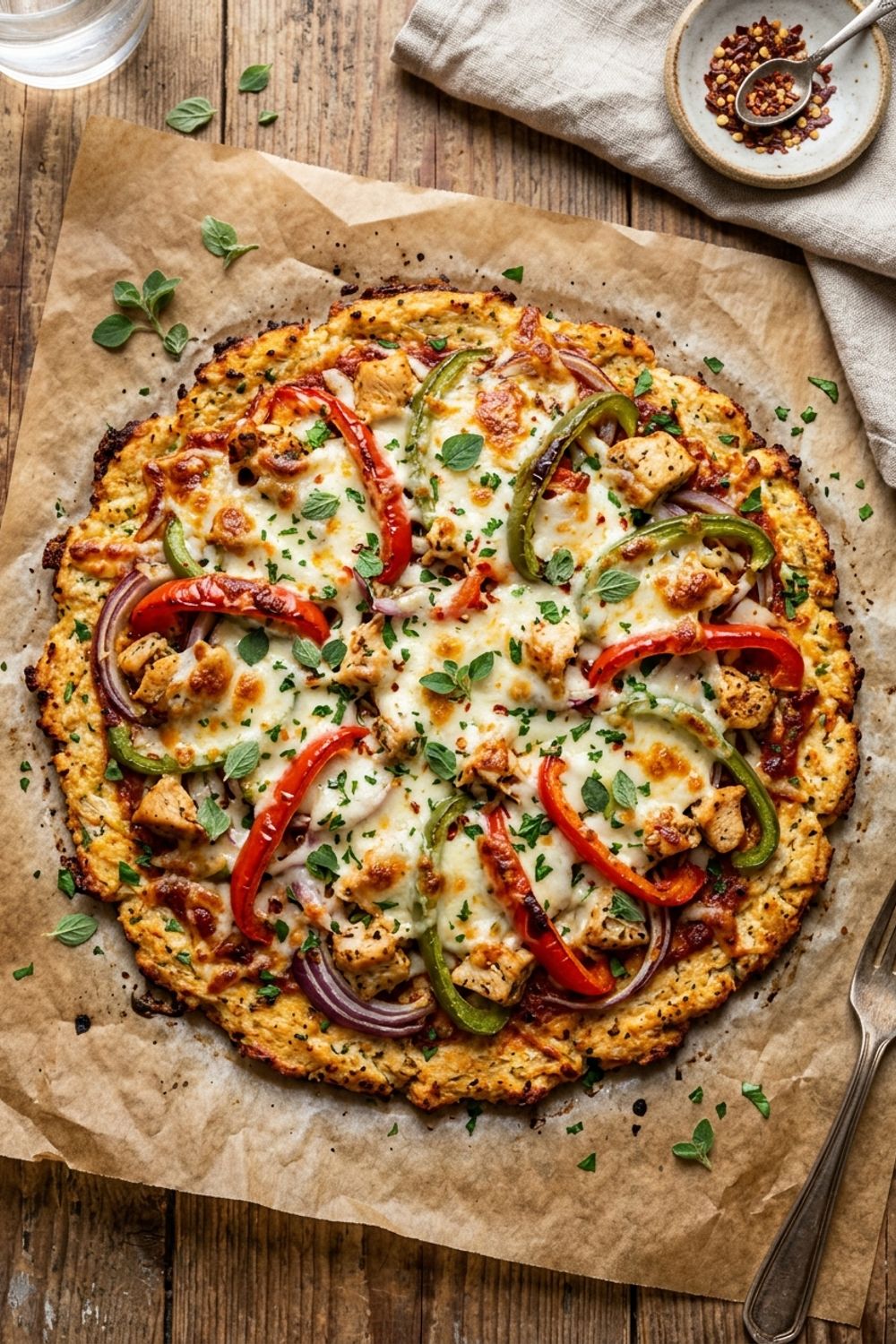
Low-carb chicken pizza crust made from ground chicken, parmesan, and egg. High-protein, gluten-free, and surprisingly crispy. Perfect keto pizza base.
Why This Recipe Is Special
I discovered chicken pizza crust during a period when I was trying to eat more protein and fewer carbs without giving up the foods I love. I tried cauliflower crust, zucchini crust, every low-carb alternative out there — and none of them scratched the itch. They were either mushy, crumbly, or tasted like vegetables pretending to be bread. Then I stumbled across a crust made from ground chicken, and after a dozen iterations adjusting the thickness, binder ratios, and moisture management, I arrived at this recipe.
This chicken pizza crust is surprisingly crispy on the bottom, sturdy enough to hold toppings, and packed with 36 grams of protein per serving before you even add toppings. The parmesan and Italian seasoning give it a savory, almost cracker-like quality that works beautifully with traditional pizza toppings. Is it the same as yeasted pizza dough? No. But it is legitimately delicious in its own right, and it makes eating high-protein, low-carb feel effortless rather than restrictive.
The Science Behind Meat-Based Crusts
The ground chicken provides structural protein that firms up during cooking. Unlike bread dough that relies on gluten, a chicken crust relies on protein coagulation. The egg serves as a crucial binder, connecting the chicken with the parmesan and almond flour. Without it, the crust crumbles apart. Thorough mixing ensures the egg distributes evenly for consistent binding.
Parmesan pulls double duty — it adds incredible umami flavor and acts as a secondary binder. When it melts during baking, it creates pockets of crispy, caramelized cheese, especially on the bottom. Almond flour absorbs excess moisture for a firmer crust and adds subtle nutty flavor. If you have a nut allergy, substitute half the amount of coconut flour, which absorbs more moisture.
Achieving Maximum Crispiness
The biggest challenge is moisture. Ground chicken releases a lot of water as it cooks, and if you do not manage it, the crust will be soggy. The first defense is thinness — press to just 1/4 inch. Thin crusts have more surface area relative to volume, so moisture evaporates faster.
The parchment paper trick is essential: place a sheet over the mixture and roll for uniform thickness without sticking. After the initial 20-minute bake, blotting the surface with paper towels removes pooled fat and water, ensuring toppings go onto a dry surface.
For the ultimate crispy bottom, try flipping the crust onto new parchment after the initial bake and baking 5 more minutes upside down before adding toppings.
Tips for Perfect Results
Do not use extra-lean ground chicken. The fat is essential for flavor and texture. Extra-lean makes a dry, tough, bland crust. If you can only find lean, add a tablespoon of olive oil.
Press the crust as thin and evenly as possible. Uneven thickness means uneven cooking — thin spots burn while thick spots stay mushy. The edges should be the same thickness as the center.
Keep your toppings light. This is not traditional dough. A thin spread of sauce, moderate cheese, and one or two lightweight toppings is the sweet spot. Think Neapolitan proportions, not deep-dish overload.
Let the pizza rest before slicing. A 3-5 minute rest allows proteins to set and cheese to firm up, making slicing cleaner. Use a sharp pizza cutter for the best cuts.
Experiment with crust seasonings. For Mexican-inspired pizza, add cumin and chili powder. For Mediterranean, mix in dried oregano and sun-dried tomatoes. The crust itself becomes part of the flavor experience.
Variations to Try
BBQ Chicken Pizza. Spread the baked crust with sugar-free BBQ sauce, top with mozzarella, diced chicken, thinly sliced red onion, and bacon. Drizzle with more BBQ sauce after baking and top with fresh cilantro.
Buffalo Chicken Crust. Mix 2 tablespoons of Frank’s RedHot into the crust mixture. Top with ranch dressing instead of marinara, mozzarella, diced celery, and crumbled blue cheese.
Breakfast Pizza. Top the baked crust with cream cheese mixed with chives, crumbled breakfast sausage, shredded cheddar, and crack eggs directly on top. Bake until whites are set but yolks are runny.
Taco Pizza. Season the crust with taco seasoning. After the initial bake, spread with refried beans, add taco beef, cheddar, and jalapenos. After baking, top with lettuce, tomatoes, sour cream, and salsa.
How to Store
Leftover pizza stores in the refrigerator for up to 3 days. Reheat at 375°F (190°C) for 7-8 minutes to re-crisp the bottom. You can freeze the pre-baked crust (before toppings) for up to 2 months — wrap in plastic wrap, then foil, and place in a freezer bag. Thaw overnight before adding toppings. This makes chicken crust pizza an excellent meal-prep option. The raw mixture can be prepared and refrigerated for up to 24 hours before baking.
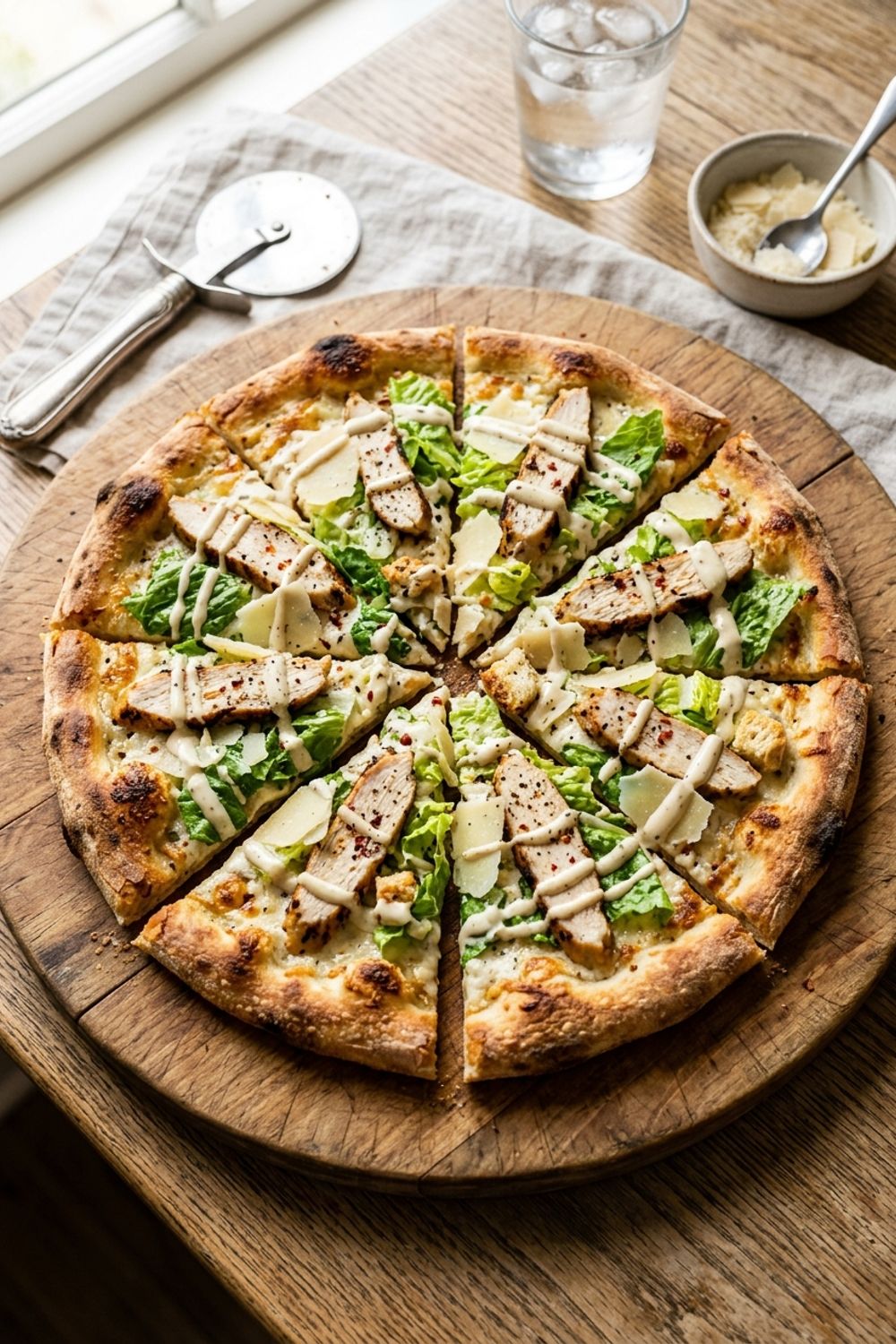
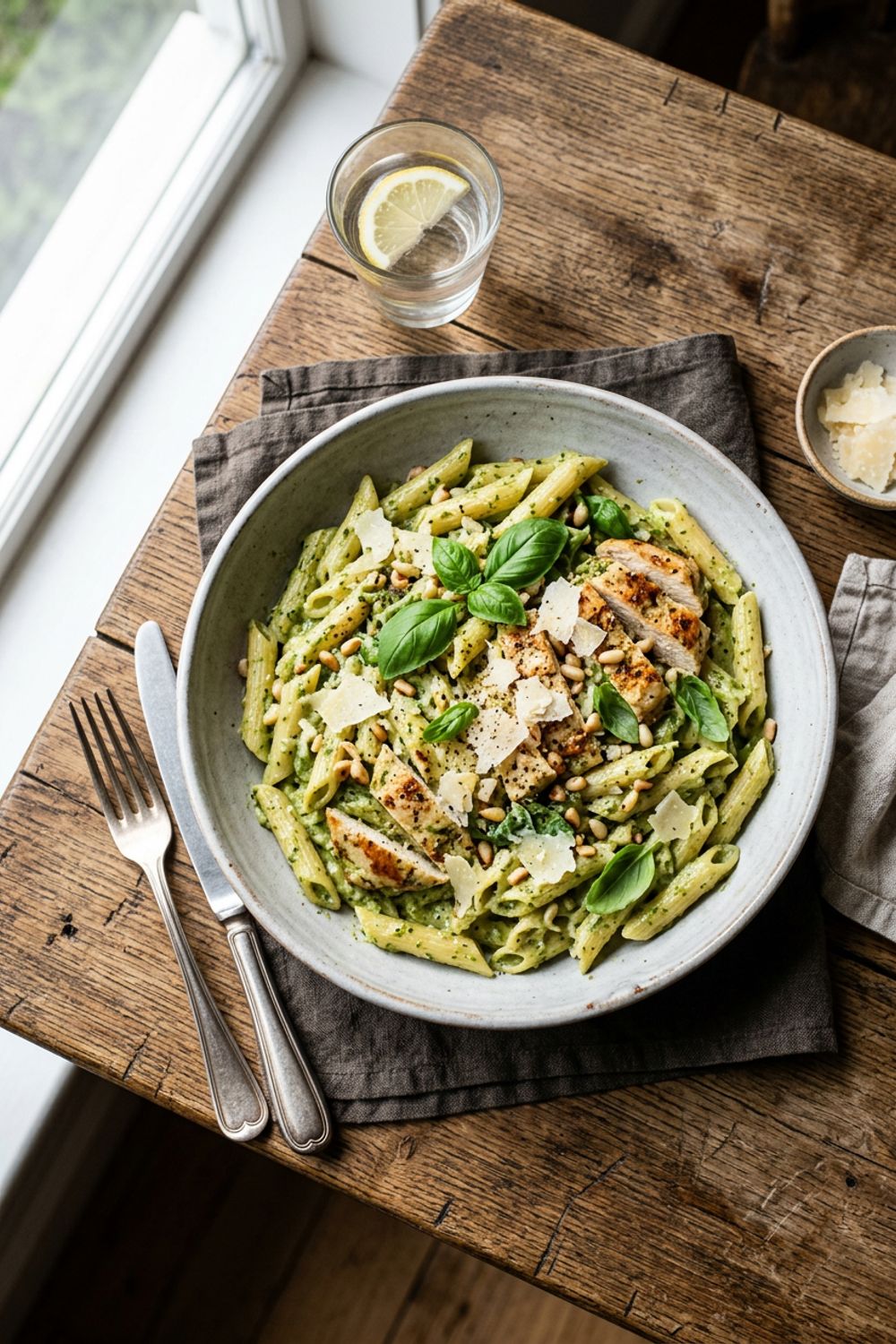
This chicken pizza crust has completely changed my approach to low-carb eating. For an even easier version, check out my canned chicken pizza crust recipe using pantry ingredients. For a traditional crust with Caesar salad flavors, my chicken Caesar pizza is incredible. And for protein-rich pasta night, try my creamy pesto chicken pasta.
Ingredients
Chicken Crust
Pizza Toppings (Suggested)
Instructions
Prepare the Crust Mixture
Preheat your oven to 400°F (200°C). Line a large baking sheet with parchment paper and lightly spray with cooking spray. In a large bowl, combine the ground chicken, parmesan, almond flour, egg, garlic, Italian seasoning, onion powder, salt, and pepper. Mix with your hands until everything is evenly distributed. Do not overmix.
Shape the Crust
Transfer the chicken mixture to the prepared baking sheet. Place a sheet of parchment paper on top and use a rolling pin or your hands to press the mixture into a thin, even round or rectangle about 1/4-inch thick. Remove the top parchment. The thinner and more even the crust, the crispier it will be.
Bake the Crust
Bake the crust for 20 minutes until it is firm, golden on the edges, and has released most of its moisture. Carefully blot any excess liquid from the surface with paper towels. This step is critical for achieving a crispy base.
Add Toppings
Spread the marinara sauce in a thin layer over the crust. Sprinkle with mozzarella and add your desired toppings — pepperoni, olives, vegetables, or anything you like. Keep toppings light to avoid weighing down the crust.
Final Bake
Return the topped pizza to the oven and bake for an additional 10 minutes until the cheese is melted, bubbly, and starting to brown in spots. Let the pizza cool for 3-5 minutes on the pan before slicing. This resting time allows the crust to firm up further. Garnish with fresh basil and red pepper flakes.
Nutrition Information
Per serving (serves 4). Values are approximate.
| Calories | 310 calories |
| Total Fat | 16g |
| Saturated Fat | 6g |
| Carbohydrates | 4g |
| Sugar | 1g |
| Protein | 36g |
| Sodium | 680mg |
| Fiber | 1g |
* Percent Daily Values are based on a 2,000 calorie diet. Your daily values may be higher or lower depending on your calorie needs. Nutritional information is an estimate and may vary.
Never Miss a Recipe
Join 5,000+ home cooks and get new recipes straight to your inbox.
Frequently Asked Questions
Does it actually taste like pizza crust?
The texture is different from traditional dough — it is denser and meatier, as you would expect. But when loaded with sauce, cheese, and toppings, it absolutely satisfies that pizza craving. Think of it as a pizza-flavored protein base rather than a bread substitute.
Can I use ground turkey instead?
Yes, ground turkey works well. Use regular ground turkey (not breast only) for enough fat to keep the crust from being dry. The flavor is very similar, and the macros are almost identical.
Why is my crust falling apart?
The egg and parmesan act as binders. Make sure you mix them in thoroughly. Also, the crust needs the full 20-minute initial bake to set properly. If it still falls apart, try adding an extra egg or 2 tablespoons more parmesan.
Can I make the crust ahead of time?
Yes. Bake the crust through step 3, let it cool completely, then wrap tightly and refrigerate for up to 2 days or freeze for up to 2 months. Add toppings and do the final bake when ready to eat.

Hi, I'm Lisa!
I create simple, tested recipes from around the world that anyone can make at home.
Learn More →Reader Reviews
Based on 330 reviews