Chicken & Poultry
Chicken Cordon Bleu Casserole - A Elegant Twist on a Classic
Discover my elevated Chicken Cordon Bleu Casserole recipe - a creamy, comforting baked dish with ham, Swiss cheese, and tender chicken. Perfect weeknight dinner!
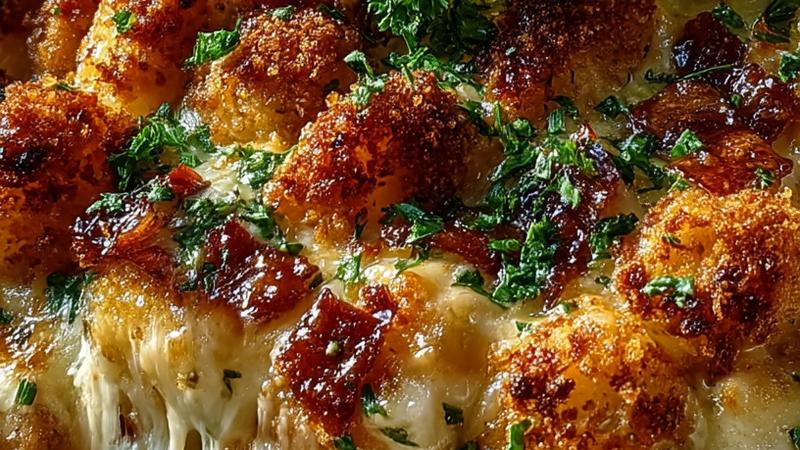
Why I Fell in Love with Chicken Cordon Bleu Casserole
When I was growing up, my grandmother would occasionally make individual Chicken Cordon Bleu - those beautiful stuffed chicken breasts wrapped in ham with melted cheese. It was always a special occasion dish, and I remember feeling so fancy eating it at her dining table. But here’s the thing about individual Cordon Bleus: they’re labor-intensive, finicky, and honestly, they can dry out if you’re not careful with the cooking time.
A few years ago, when I was living in Brussels and really diving deep into European cuisine, I had a revelation. Why not take all those incredible flavors - the tender chicken, the salty ham, the creamy cheese sauce - and turn it into a casserole? It was like a lightbulb moment. I could have all the elegance and flavor of Chicken Cordon Bleu with none of the stress. This became my go-to dinner for when I wanted to impress guests without spending hours in the kitchen.
What makes this casserole special is that it bridges the gap between comfort food and elegant dinner party fare. It’s the kind of dish that makes your home smell absolutely incredible while baking, and it’s always met with rave reviews. I’ve served it to friends, family, and even skeptical relatives who thought it couldn’t possibly compete with the traditional version. Every single time, people come back for seconds and ask for the recipe.
The Magic Behind the Sauce
The heart and soul of this casserole is the creamy sauce, and I want to talk about how to master it because this is where many home cooks stumble. The sauce starts with a simple roux - equal parts butter and flour - which is the foundation of French cooking. The reason we cook the roux for a couple of minutes isn’t just to cook off the raw flour taste (though that’s important). During those few minutes, the heat causes the flour granules to gelatinize, which activates their thickening power.
Once you’ve made your roux, the key to a lump-free sauce is patience and whisking. Pour the cold chicken broth in gradually while whisking constantly. This prevents the flour from clumping and ensures a smooth sauce. I know it’s tempting to dump it all in at once, but resist! After the broth is incorporated, that’s when the real flavor building happens. The wine adds acidity and depth, the cream adds richness, and the Dijon mustard adds a subtle tang that ties everything together. The mustard is crucial - it’s not meant to make the sauce taste mustard-y, but rather to enhance the savory notes and add a subtle complexity.
I always taste the sauce before adding the cheese and adjust the seasonings. Once you add the cheese, it’s harder to fix over-seasoning, so this is your moment to get it right. The sauce should taste rich and flavorful enough to be delicious on its own, because that’s what you’re tasting when you eat the casserole.
Ingredient Quality Matters
I’ve made this casserole with different quality ingredients, and honestly, it does make a difference. For the chicken, I always choose fresh, high-quality breasts rather than frozen when possible. They cook more evenly and have better texture. The ham is something I’m particular about too - I prefer sliced deli ham from the butcher counter rather than packaged varieties. It has better flavor and texture, and it feels more authentic to the original dish.
For the cheese, this is where quality really shines. Real Swiss cheese from a good grocery store or cheese counter will give you a much better result than pre-shredded varieties. Pre-shredded cheese contains anti-caking agents that can make your sauce grainy. Splurge a bit here - your sauce will thank you. The same goes for the Parmesan for the topping. Fresh grated is worlds better than the green can.
The white wine should be something you’d actually drink - not expensive, but decent quality. A dry Sauvignon Blanc or Pinot Grigio works beautifully. If you don’t drink or don’t want to open a bottle, that’s totally fine; the broth substitution works great. Finally, heavy cream (not half-and-half or milk) is essential. The fat content in heavy cream is what makes the sauce luxuriously creamy and gives it that silky mouthfeel.
Make-Ahead Tips and Storage
One of my favorite things about this casserole is how well it keeps and how forgiving it is for advance preparation. I often make this on a Sunday to have a ready-made dinner for a busy weeknight, or I’ll assemble it in the morning and pop it in the oven before dinner. Here’s what I’ve learned through experimentation:
If you’re making it ahead, assemble everything except the panko topping, cover it tightly with plastic wrap or foil, and refrigerate for up to 24 hours. The flavors actually improve as they sit together. Just before baking, add your panko topping and add 10-15 minutes to the cooking time since you’re starting with a cold casserole. The casserole will stay hot and delicious for about 30 minutes after baking, so don’t worry if your timing isn’t exact.
For storage, leftovers keep beautifully in the refrigerator for up to 4 days in an airtight container. Reheat gently in a 350°F (175°C) oven, covered with foil, until warmed through (about 15-20 minutes). You can also freeze this casserole for up to 3 months - just thaw it completely in the refrigerator before reheating. I don’t recommend freezing it assembled with the panko topping, as the breadcrumbs can get soggy. Instead, freeze without the topping, thaw, and add fresh panko before baking.
This make-ahead flexibility is honestly one of the reasons this recipe has become my secret weapon for entertaining. I can have a restaurant-quality meal ready with minimal last-minute fuss.
Serving and Presentation Ideas
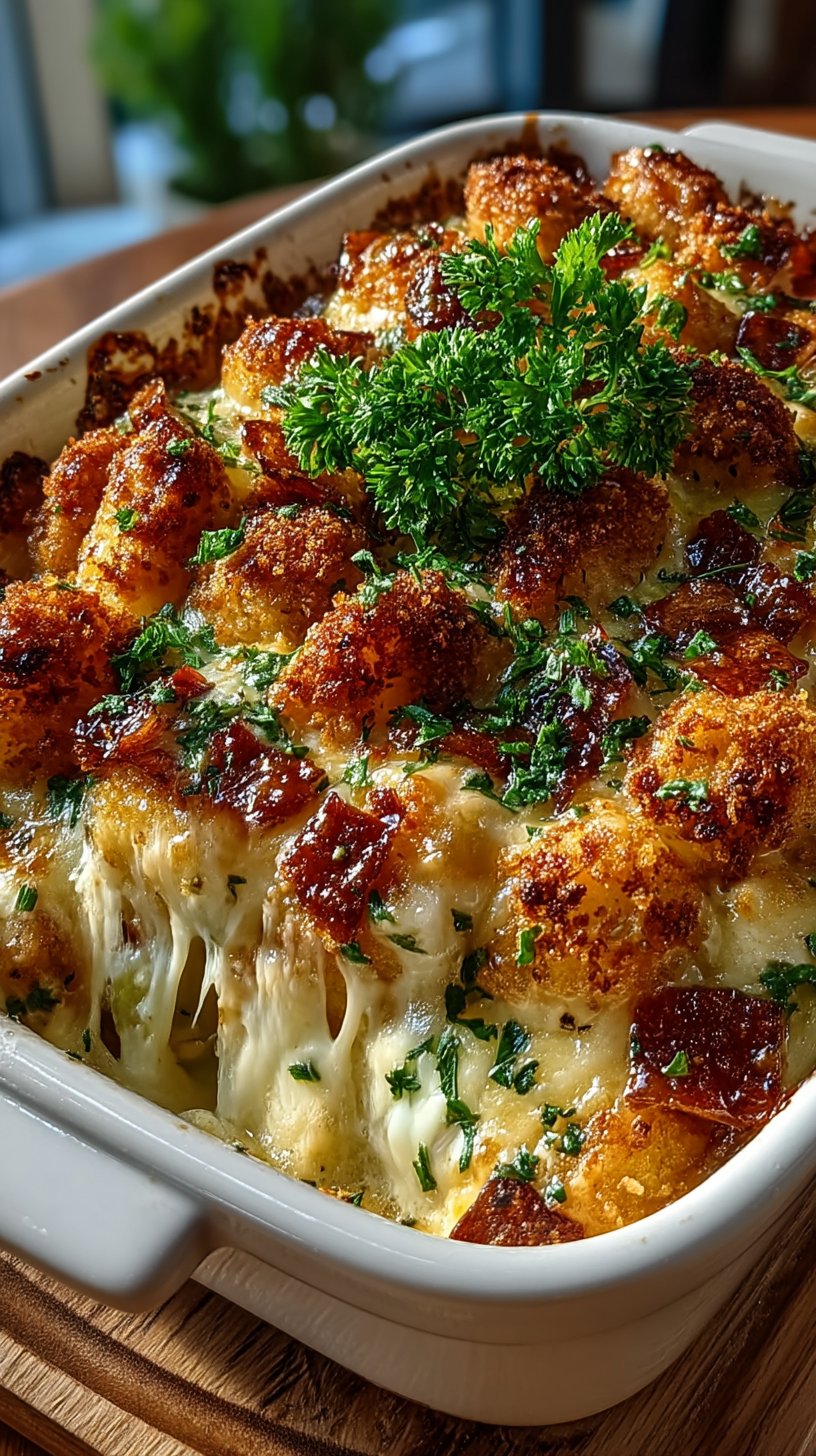
When it comes to serving this casserole, I think presentation matters because it elevates the dish in people’s minds from ‘weeknight dinner’ to ‘special occasion meal.’ I love bringing the baking dish straight to the table while it’s still bubbling - the presentation is half the appeal! The golden-brown panko topping looks gorgeous, and that aroma is going to get everyone excited about dinner.
For plating individual servings, use a sturdy spoon to scoop out portions - you want the sauce to come with it. I sometimes serve this with a simple arugula salad tossed with lemon vinaigrette on the side, which provides a nice bright contrast to the rich casserole. Fresh lemon wedges are also great for squeezing over each bite.
If you’re looking to make this feel extra special, consider these serving ideas: serve it in individual ramekins for a more elegant presentation, garnish with fresh tarragon or chives instead of parsley for a different flavor note, or add crispy bacon bits to the panko topping for extra texture and smokiness. I’ve even added fresh thyme to the panko mixture for a more herbaceous topping.
For wine pairing, I recommend the same white wine you used in the sauce - a crisp Sauvignon Blanc or Pinot Grigio. The acidity cuts through the richness beautifully. If you prefer red wine, a light Pinot Noir works surprisingly well too.
Ingredients
Main Ingredients
Topping
Instructions
Prepare Your Chicken
Preheat your oven to 375°F (190°C). Pat the chicken breasts dry with paper towels and season both sides generously with salt and pepper. Heat 2 tablespoons of butter in a large skillet over medium-high heat. Once the butter is foaming, add the chicken breasts and sear them for 4-5 minutes on each side until they're golden brown and cooked through (they don't need to be fully cooked at this point). Transfer the cooked chicken to a cutting board and let it cool slightly before cutting into bite-sized chunks. Set aside.
Create the Creamy Sauce Base
In the same skillet (don't clean it - those brown bits are liquid gold!), melt the remaining 2 tablespoons of butter over medium heat. Add the minced garlic and sauté for about 1 minute until fragrant. Sprinkle the flour over the butter and garlic, stirring constantly for 2 minutes to create a blonde roux. This is going to thicken our sauce beautifully. Gradually pour in the chicken broth, whisking constantly to avoid lumps. Keep stirring until the mixture is smooth and creamy.
Build the Sauce Flavor
Pour in the white wine and heavy cream, whisking gently. Add the Dijon mustard, cayenne pepper, thyme, and adjust seasoning with salt and pepper to taste. Reduce the heat to medium-low and let the sauce simmer for about 5 minutes, stirring occasionally. The sauce should coat the back of a spoon and have a luxurious, velvety texture. Stir in 1 cup of the Swiss cheese and let it melt completely into the sauce. This creates that signature creamy, cheesy element that makes this dish absolutely irresistible.
Assemble the Casserole
Spray a 9x13 inch (23x33cm) baking dish with cooking spray. Spread the chunked chicken evenly on the bottom of the dish. Layer the sliced ham over the chicken, then pour the creamy sauce over everything, stirring gently to combine. The sauce should coat all the ingredients beautifully. Top the casserole with the remaining 1 cup of Swiss cheese, spreading it evenly. This will create a gorgeous golden-brown top when baked.
Make the Panko Topping
In a small bowl, combine the panko breadcrumbs, melted butter, Parmesan cheese, and 2 tablespoons of fresh parsley. Toss until the breadcrumbs are evenly coated and have a slightly wet texture. Sprinkle this mixture evenly over the cheese layer. This creates that wonderful textural contrast - crispy on top, creamy underneath. It's what takes this casserole from good to absolutely outstanding.
Bake to Golden Perfection
Bake the casserole, uncovered, for 25-30 minutes until the top is golden brown and the casserole is bubbling around the edges. The panko topping should be crispy and the cheese melted and slightly browned. If the top is browning too quickly before the center is hot, loosely tent with aluminum foil for the last 10 minutes. You'll know it's done when you see the sauce bubbling up around the edges and a toothpick inserted in the chicken comes out hot.
Rest and Garnish
Remove the casserole from the oven and let it rest for 5 minutes before serving. This allows the sauce to set slightly and makes serving much easier. Garnish with fresh parsley and extra Parmesan cheese if desired. The aroma at this point is absolutely incredible - your kitchen will smell like a French bistro!
Nutrition Information
Per serving (serves 6). Values are approximate.
| Calories | 385 calories |
| Total Fat | 22g |
| Saturated Fat | 12g |
| Carbohydrates | 18g |
| Sugar | 2g |
| Protein | 32g |
| Sodium | 720mg |
| Fiber | 1g |
* Percent Daily Values are based on a 2,000 calorie diet. Your daily values may be higher or lower depending on your calorie needs. Nutritional information is an estimate and may vary.
Never Miss a Recipe
Join 5,000+ home cooks and get new recipes straight to your inbox.
Frequently Asked Questions
Can I make this casserole ahead of time?
Absolutely! I love making this the day before. Assemble the entire casserole (without the panko topping) and cover it tightly with plastic wrap. Refrigerate overnight. The next day, add the panko topping just before baking, and increase the baking time by about 10-15 minutes since you're starting with a cold casserole. You can also freeze it for up to 3 months - just thaw in the fridge overnight before baking.
What can I substitute for the white wine?
If you don't have white wine or prefer not to use alcohol, simply replace it with an equal amount of additional chicken broth mixed with 1 tablespoon of lemon juice or white vinegar. This adds that slight acidity that the wine provides. Apple juice also works beautifully and adds a subtle sweetness that complements the ham wonderfully.
Can I use different types of cheese?
While Swiss cheese is traditional for Chicken Cordon Bleu, you have options! Gruyère is a delicious alternative with a slightly nuttier flavor. A combination of Swiss and cheddar also works wonderfully. Just avoid very strong cheeses like blue cheese or aged cheddar as they can overpower the delicate flavors. You need about 3 cups of cheese total, using whatever combination you prefer.
How do I prevent the sauce from being too thin or too thick?
The key is creating a proper roux at the beginning and not rushing it. Make sure you cook the flour-butter mixture for a full 2 minutes before adding liquid - this activates the flour's thickening properties. If your sauce turns out too thin, you can dissolve 1 tablespoon of cornstarch in 2 tablespoons of cold water and whisk it into the simmering sauce. If it's too thick, simply add more broth or cream 1/4 cup at a time.
What sides pair best with this casserole?
I serve this with a simple green salad with lemon vinaigrette to cut through the richness, or steamed asparagus for an elegant touch. Crusty bread is essential for soaking up that amazing sauce. A lighter option is roasted Brussels sprouts. For a more casual meal, egg noodles or rice work nicely, though honestly, this dish is rich enough to serve on its own with just vegetables on the side.

Hi, I'm Lisa!
I create simple, tested recipes from around the world that anyone can make at home.
Learn More →Reader Reviews
Based on 389 reviews
Leave a Review
You Might Also Like
Chicken & Poultry
Chicken Harvest Bowl Recipe (Sweetgreen Copycat)
Chicken & Poultry
My Tuxedo Cake Rivals the Costco Version
Chicken & Poultry
Buttermilk Whole Roasted Chicken Recipe
Chicken & Poultry