Pasta & Noodles
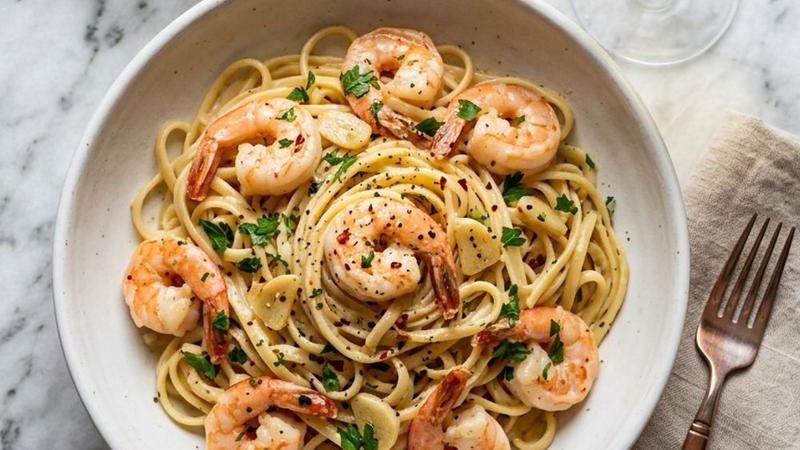
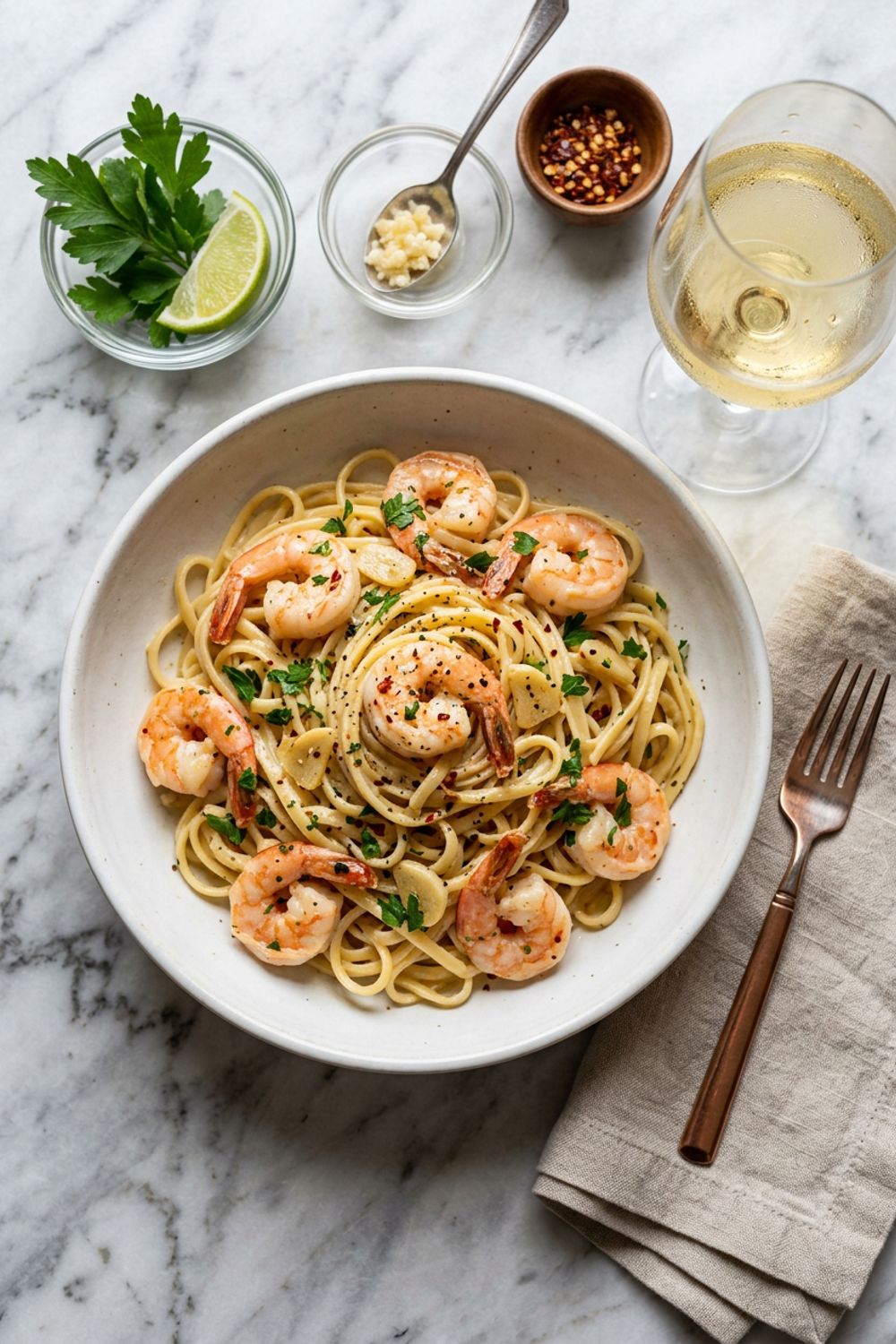
Creamy Garlic Butter Shrimp Pasta
Succulent shrimp in a rich garlic butter cream sauce tossed with linguine. A restaurant-quality dinner ready in just 25 minutes.
Why This Recipe Is Special
If I had to choose one weeknight pasta to make for the rest of my life, this would be a very serious contender. I developed this creamy garlic butter shrimp pasta after eating a similar dish at a small Italian-American restaurant in Boston, and after dozens of iterations, my version might actually be better than the original.
What sets this apart is the layering of flavor. Most recipes dump shrimp, garlic, and cream into a pan all at once. I take a more deliberate approach: sear the shrimp first for a caramelized crust, then build the sauce in the same pan to capture all those flavorful browned bits. The sliced garlic is cooked low and slow until golden — not the aggressive burnt garlic you get from minced garlic in a screaming hot pan. This gives a mellow, sweet garlic flavor rather than an acrid bite.
The white wine deglaze lifts the fond from the pan and adds bright acidity to balance the cream. And I use heavy cream here, no half-measures. Combined with butter, Parmesan, and fresh lemon juice, you get a sauce that is impossibly silky and clings to every strand of linguine. This is not diet food, and I make no apologies. Sometimes you need pasta that wraps you in a warm hug.
Perfectly Seared Shrimp
The single most important step most people skip: drying the shrimp thoroughly with paper towels. Surface moisture creates steam, and steam means you are boiling instead of searing. Press those paper towels firmly, then season right before cooking — salting too early draws moisture back to the surface.
Heat the oil until it shimmers with the first wisp of smoke, then lay shrimp in a single layer. Do not crowd the pan — cook in two batches if needed. Let them sit undisturbed for 1.5-2 minutes. When you flip, you should see a gorgeous golden-pink sear. Cook the second side for just 1.5 minutes, then remove immediately. They will look slightly underdone, which is exactly right — they finish cooking when tossed back into the hot sauce. This two-stage approach is how restaurants keep shrimp tender and succulent.
Understanding Cream Sauce Emulsion
When you combine butter, cream, Parmesan, and pasta water, you are creating an emulsion — a stable mixture of fat and water that stays creamy rather than separating. Parmesan does heavy lifting here: its proteins act as emulsifiers, binding fat and water together. This is why freshly grated Parmesan from a block is non-negotiable — pre-grated contains cellulose that prevents smooth melting and can cause grittiness.
Reserved pasta water is your secret weapon. The starch acts as another emulsifier, helping the sauce cling to pasta rather than pooling at the bottom. Add it a tablespoon at a time. Toss the pasta in the sauce over medium-low heat for 1-2 minutes — this technique, called “mantecatura” in Italian, is what separates good pasta from extraordinary pasta.
Tips for Perfect Results
Buy the right shrimp. Large (21-25 count) are ideal — big enough to sear properly and hold their own against the rich sauce. Avoid pre-cooked shrimp, which turn rubbery when cooked again.
Do not boil the cream sauce. Keep it at a gentle simmer. Boiling causes the cream to reduce too quickly and can make the sauce break. A lazy bubble every few seconds is the right pace.
Cook the pasta one minute short of al dente. It finishes cooking in the sauce, absorbing flavor and releasing starch. Already-cooked pasta turns mushy by the time it reaches your plate.
Season at the end. Taste the finished sauce before tossing with pasta. A pinch of salt, a crack of pepper, or a tiny extra squeeze of lemon can make the difference between good and remarkable.
Serve in warm bowls. Cream sauces cool rapidly and thicken as they cool. Running bowls under hot water for a minute keeps pasta warm and sauce glossy much longer.
Variations to Try
Cajun Version. Add 1 tablespoon Cajun seasoning to the shrimp and stir a teaspoon into the cream sauce. Toss in 1/2 cup diced roasted red peppers.
Lemon Garlic (Lighter). Skip the cream entirely. After the wine reduction, add 1/2 cup pasta water and 2 extra tablespoons butter. Finish with zest and juice of a whole lemon and generous fresh herbs.
Sun-Dried Tomato. Add 1/3 cup sun-dried tomatoes (oil-packed, sliced) with the garlic for concentrated sweet-tart flavor and color. Stir in baby spinach at the end.
Orzo Version. Swap linguine for orzo and cook it directly in the sauce with extra broth, stirring frequently for about 10 minutes, creating a creamy, risotto-like dish.
How to Store
This pasta is best eaten immediately. Leftovers store in the refrigerator for up to 2 days — reheat in a skillet over medium-low heat with a splash of cream, not in the microwave (which makes shrimp rubbery and sauce oily). For meal prep, store sauce and shrimp separately from pasta. Cook fresh pasta when ready to eat to prevent it from absorbing all the sauce. The sauce and shrimp freeze well for up to 2 months.
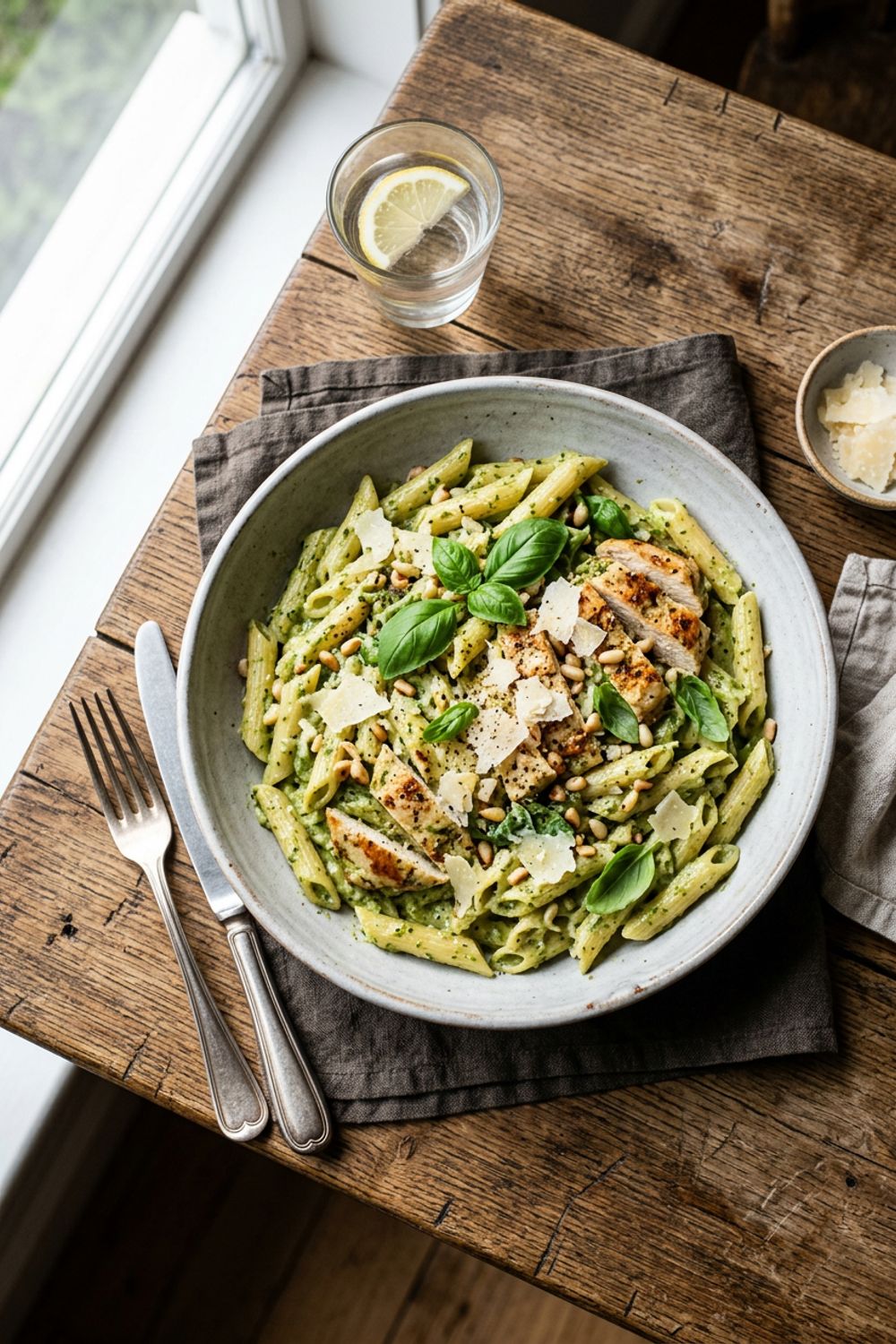
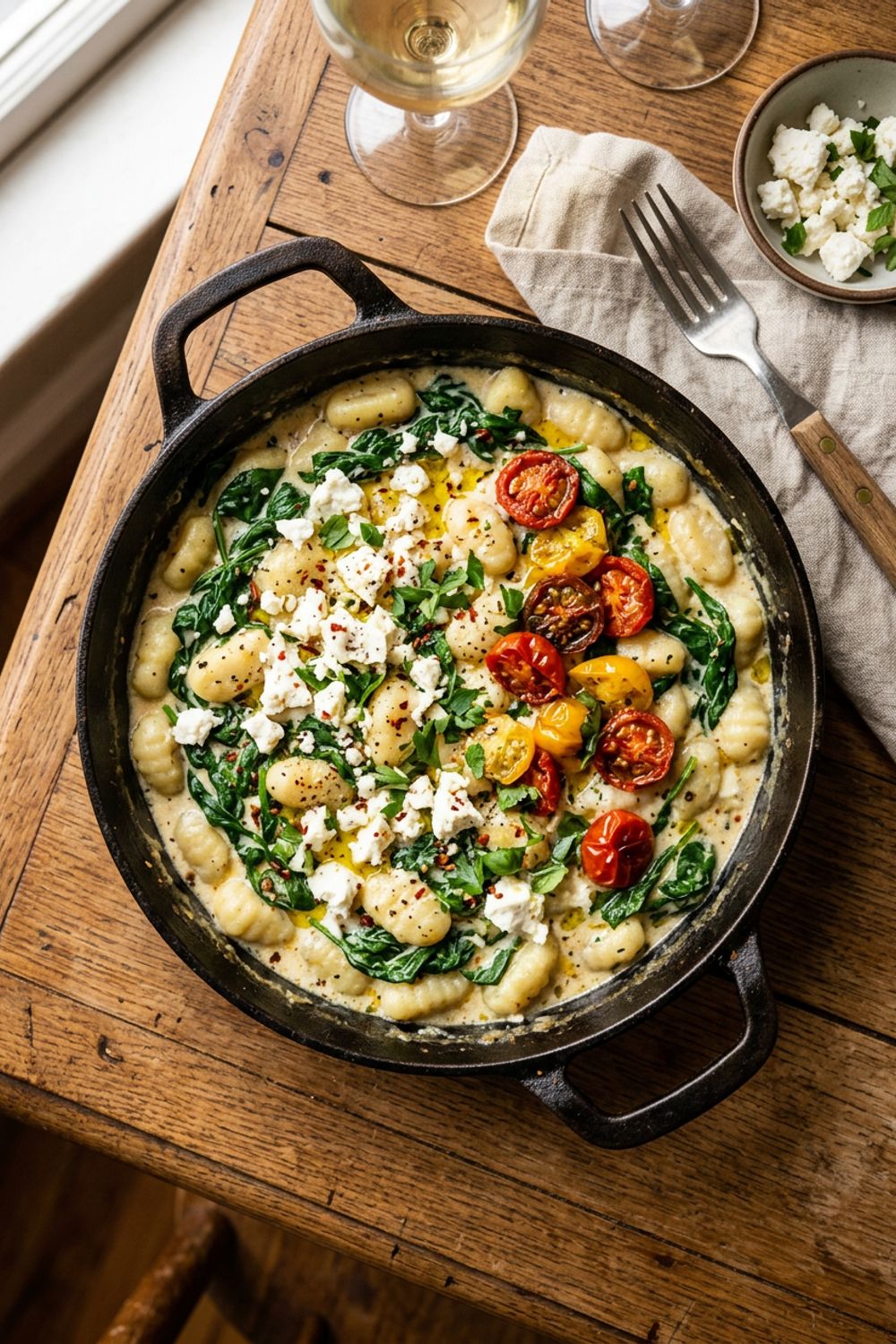
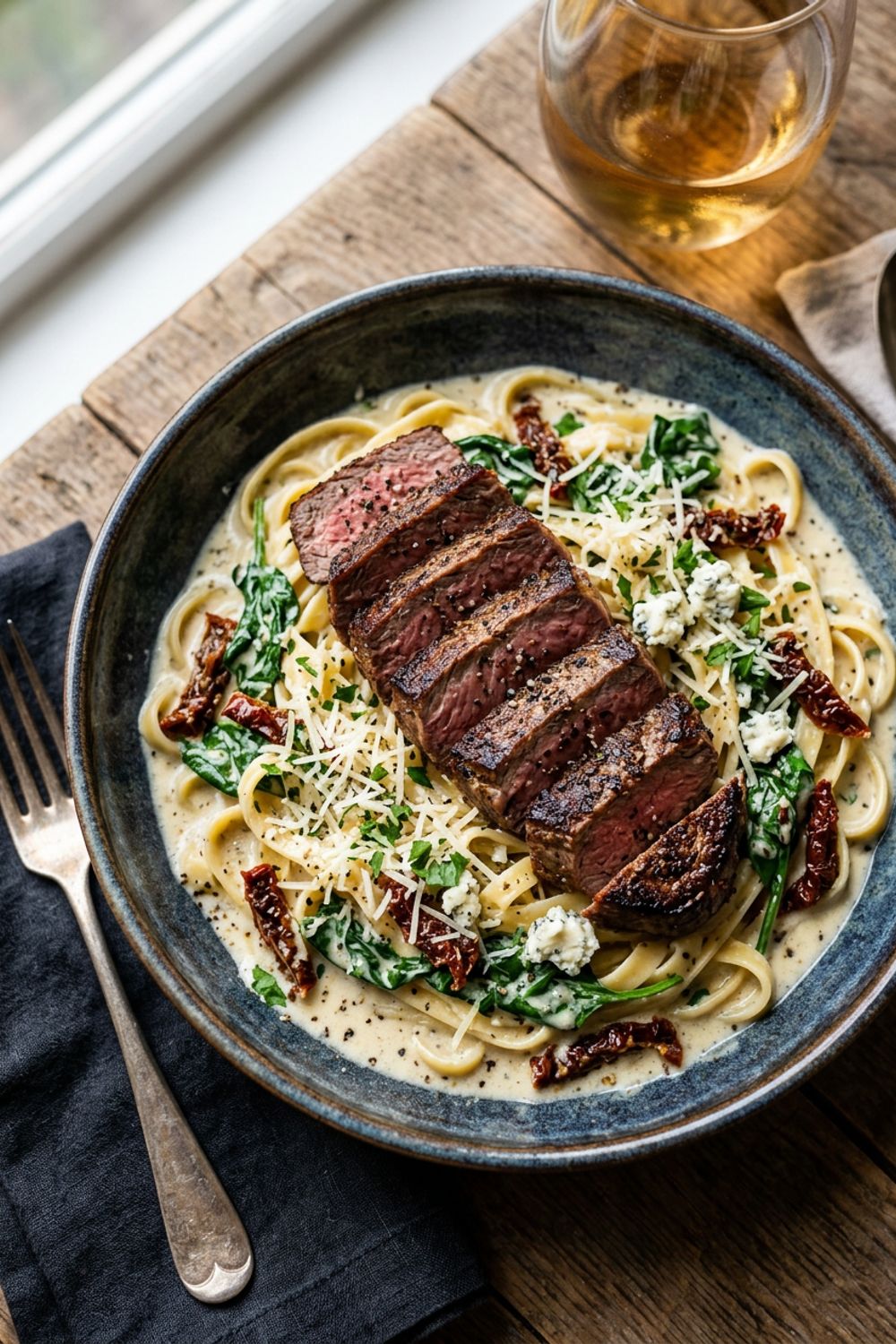
This garlic butter shrimp pasta makes you feel like a restaurant chef on a hectic Tuesday night. If you enjoy this, try my creamy pesto chicken pasta, my creamy gnocchi with spinach and feta, or my steak Gorgonzola Alfredo for more indulgent pasta nights.
Ingredients
Pasta
Shrimp
Garlic Butter Cream Sauce
Garnish
Instructions
Cook the Pasta
Bring a large pot of generously salted water to a rolling boil. Cook the linguine according to package directions until 1 minute short of al dente — it will finish cooking in the sauce. Before draining, reserve 1 cup of the starchy pasta water. Drain the pasta and set aside.
Sear the Shrimp
While the pasta cooks, pat the shrimp dry with paper towels — this is essential for a good sear. Season with salt, pepper, and paprika. Heat the olive oil in a large skillet over medium-high heat until it shimmers. Add the shrimp in a single layer and cook for 1.5-2 minutes per side until pink and just curled. Transfer immediately to a plate. The shrimp will finish cooking later in the sauce.
Build the Garlic Butter Sauce
In the same skillet, reduce heat to medium and add the butter. Once melted and foaming, add the sliced garlic and red pepper flakes. Cook for 60-90 seconds, stirring constantly, until the garlic is golden and fragrant but not brown. Pour in the white wine and scrape up any browned bits from the shrimp. Let the wine reduce by half, about 2 minutes.
Create the Cream Sauce
Pour in the heavy cream and bring to a gentle simmer. Cook for 3-4 minutes, stirring occasionally, until the sauce thickens slightly and coats the back of a spoon. Stir in the Parmesan cheese and lemon juice. Season with salt and pepper to taste. The sauce should be silky, rich, and just thick enough to cling to pasta.
Combine Everything
Add the drained pasta directly to the sauce and toss with tongs for 1-2 minutes over medium-low heat, allowing the pasta to absorb the sauce and finish cooking. Add the reserved pasta water a tablespoon at a time if the sauce is too thick. Return the seared shrimp to the skillet and toss gently to warm through, about 1 minute.
Serve Immediately
Divide among warm bowls and garnish generously with chopped parsley and extra Parmesan. Serve immediately with crusty bread for sopping up every last drop of that garlic butter cream sauce. This pasta waits for no one — it is best eaten right away while the sauce is glossy and the shrimp are perfectly tender.
Nutrition Information
Per serving (serves 4). Values are approximate.
| Calories | 520 calories |
| Total Fat | 25g |
| Saturated Fat | 14g |
| Carbohydrates | 48g |
| Sugar | 3g |
| Protein | 28g |
| Sodium | 680mg |
| Fiber | 2g |
* Percent Daily Values are based on a 2,000 calorie diet. Your daily values may be higher or lower depending on your calorie needs. Nutritional information is an estimate and may vary.
Never Miss a Recipe
Join 5,000+ home cooks and get new recipes straight to your inbox.
Frequently Asked Questions
Can I use frozen shrimp for this recipe?
Yes, just make sure to thaw them completely first. Place frozen shrimp in a colander and run cold water over them for 5-10 minutes. Pat them very dry with paper towels before seasoning and searing — any excess moisture will cause the shrimp to steam rather than sear.
What can I substitute for white wine?
Chicken broth with a squeeze of extra lemon juice works well. The wine adds acidity and deglazes the pan, so you want something that can mimic both functions. Dry vermouth also works as a 1:1 swap if you have it on hand.
Can I make this with a different pasta shape?
Absolutely. Fettuccine, spaghetti, penne, and rigatoni all work wonderfully. Long pasta shapes are traditional with cream sauces because they catch and hold the sauce beautifully, but shorter tubes work great too if that is what you prefer.
How do I prevent the shrimp from being rubbery?
The key is to not overcook them. Sear them just until they turn pink and slightly curl — they will continue cooking when you toss them back into the hot sauce. Large shrimp (21-25 count) are more forgiving than smaller ones, which overcook in seconds.

Hi, I'm Lisa!
I create simple, tested recipes from around the world that anyone can make at home.
Learn More →Reader Reviews
Based on 561 reviews