Pasta & Noodles
Steak Gorgonzola Alfredo
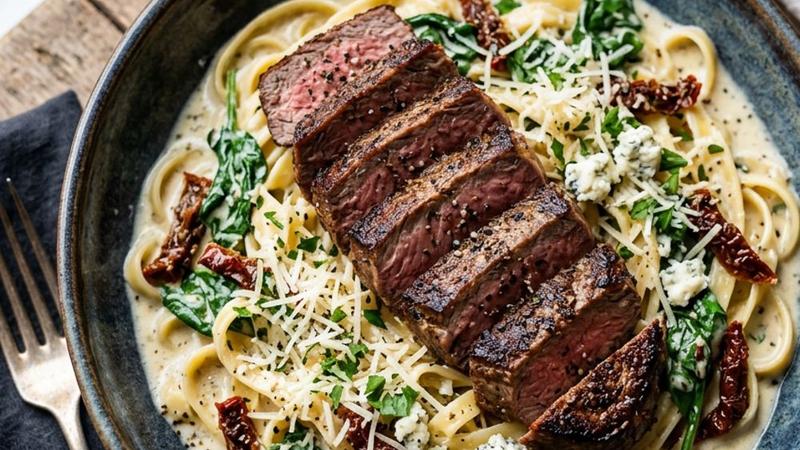
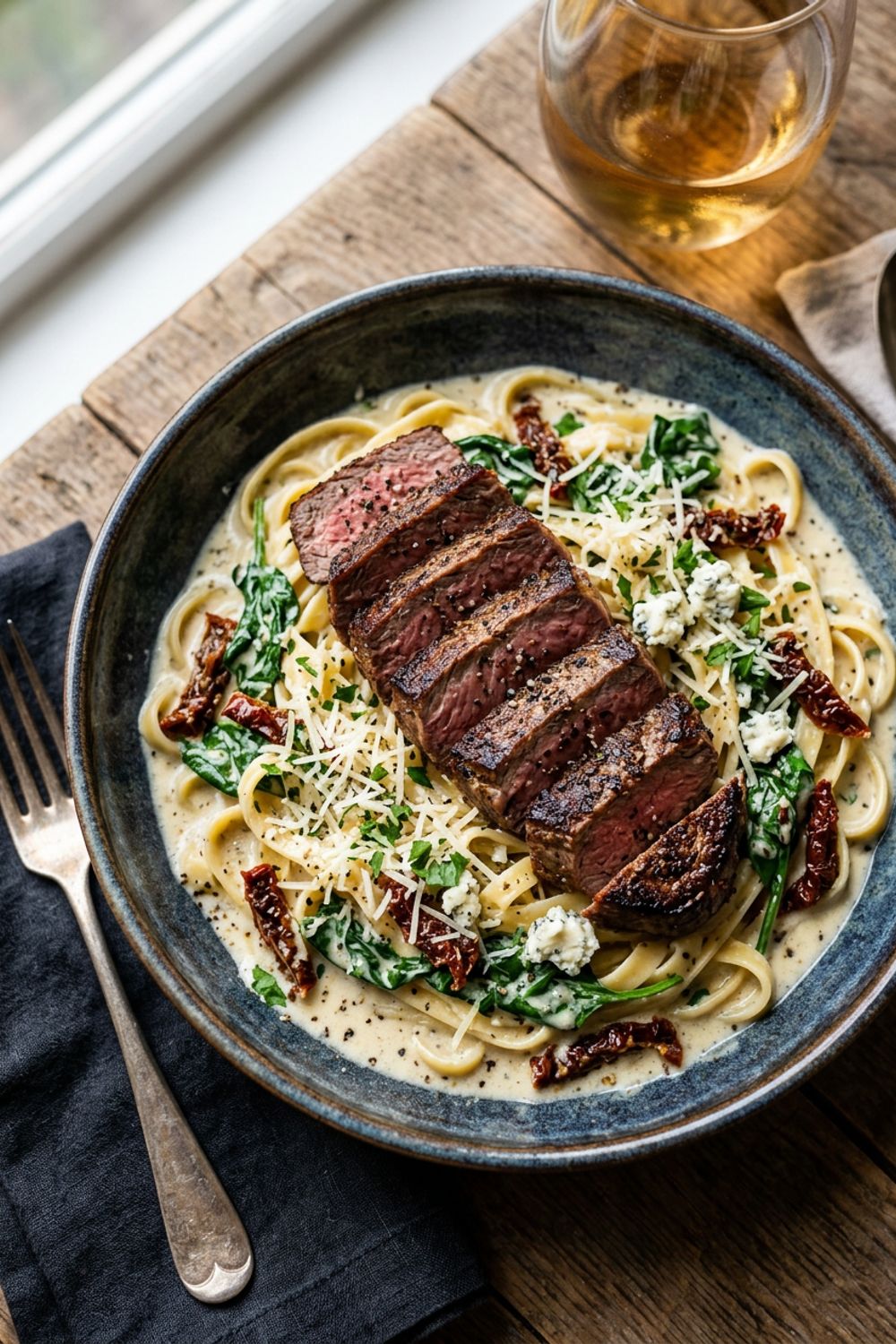
Seared steak slices over fettuccine in a rich Gorgonzola Alfredo sauce with balsamic drizzle. Steakhouse-worthy pasta dinner at home.
Why This Recipe Is Special
This steak Gorgonzola Alfredo is inspired by one of Olive Garden’s most iconic dishes, but taken up several notches with better ingredients and proper technique. You have a perfectly seared steak with a dark, caramelized crust giving way to a rosy pink interior. Beneath it, fettuccine nests in a Gorgonzola-laced Alfredo that is rich, tangy, and deeply savory. And tying everything together is a homemade balsamic glaze — dark, syrupy, and sweet-tart — that cuts through all that richness.
What I love is how this brings steakhouse elegance to a pasta dinner. It is impressive enough for a dinner party but straightforward enough for a Friday night at home. The components work simultaneously — steak searing, pasta boiling, sauce building, glaze reducing — so despite its restaurant-quality appearance, it comes together in about 40 minutes. Every time I serve this, someone asks for the recipe before they have finished their plate.
Mastering the Steak Sear
A great sear is non-negotiable. A pale, gray steak on top of beautifully sauced fettuccine would be a tragic anticlimax. The steak must be dry — pat with paper towels at least twice. The pan must be screaming hot — heat cast iron over high heat for 3-4 minutes until the oil shimmers and you see the first wisp of smoke.
Lay the steak in the pan and do not move it. Four minutes on the first side, three on the second for medium-rare on a one-inch-thick steak. In the final minute, add butter, rosemary, and smashed garlic, then tilt the pan and baste the steak with the foaming, aromatic butter. This adds incredible flavor and helps even out the cooking. The result is a steak that looks and tastes like it came from a high-end steakhouse.
Understanding Gorgonzola in Cream Sauces
I strongly recommend Gorgonzola dolce (the young, creamy, mild variety) — it melts smoothly into cream and provides that blue cheese tang without overpowering everything. The key is temperature control: if the cream is boiling when you add cheese, it can separate and turn greasy. Bring cream to a gentle simmer, reduce heat to low, then stir in the crumbled Gorgonzola. Let it melt gradually for about two minutes.
The Parmesan adds saltiness and nutty depth that balances the Gorgonzola’s tanginess. Together they create a sauce more complex than either could achieve alone. White pepper provides clean heat, and nutmeg amplifies creaminess — a trick from classical French cooking.
Tips for Perfect Results
Rest the steak for the full 10 minutes. Resting redistributes juices throughout the meat. A properly rested steak will be juicier, more tender, and more evenly pink from edge to edge.
Slice against the grain. Look for the lines of muscle fibers and cut perpendicular to them. This shortens the fibers for a more tender bite — especially important when the steak is being served over pasta.
Make the balsamic glaze yourself. It takes just 10 minutes of mostly hands-off simmering and is richer than anything in a squeeze bottle. As the vinegar reduces, acidity mellows and sugars concentrate into a syrupy, sweet-tart condiment.
Use good balsamic vinegar. Mid-range is fine — check the ingredients for grape must and wine vinegar, not caramel coloring and added sugars.
Toasted walnuts complete the dish. Toast in a dry skillet for 3-4 minutes until fragrant, roughly chop, and scatter over the finished dish. The crunch against silky pasta and tender steak adds a textural dimension that elevates every bite.
Variations to Try
Chicken Gorgonzola Alfredo. Replace steak with two large chicken breasts, pounded thin. Sear 5-6 minutes per side, slice on the bias. Lighter but equally satisfying.
Steak Gorgonzola with Penne. The ridged tubes catch sauce in their grooves for more sauce per bite. Also easier as casual weeknight dinner.
Mushroom Gorgonzola (Vegetarian). Sear 12 oz mixed mushrooms until deeply browned. Their umami replicates much of the steak’s savory depth and they pair beautifully with Gorgonzola.
With Spinach. Add 4 cups fresh spinach to the cream sauce after the cheese melts and stir until wilted. Adds color, mild bitterness to balance the richness, and makes the dish more complete.
How to Store
The steak and pasta are best fresh, but leftovers store separately in the refrigerator for up to 2 days. Reheat pasta in a skillet with a splash of cream. Warm steak slices briefly in a hot pan — just 30 seconds per side. The balsamic glaze keeps at room temperature for 2 weeks or refrigerated for a month. I do not recommend freezing the finished pasta, but you can freeze raw seared steak and make pasta and sauce fresh.
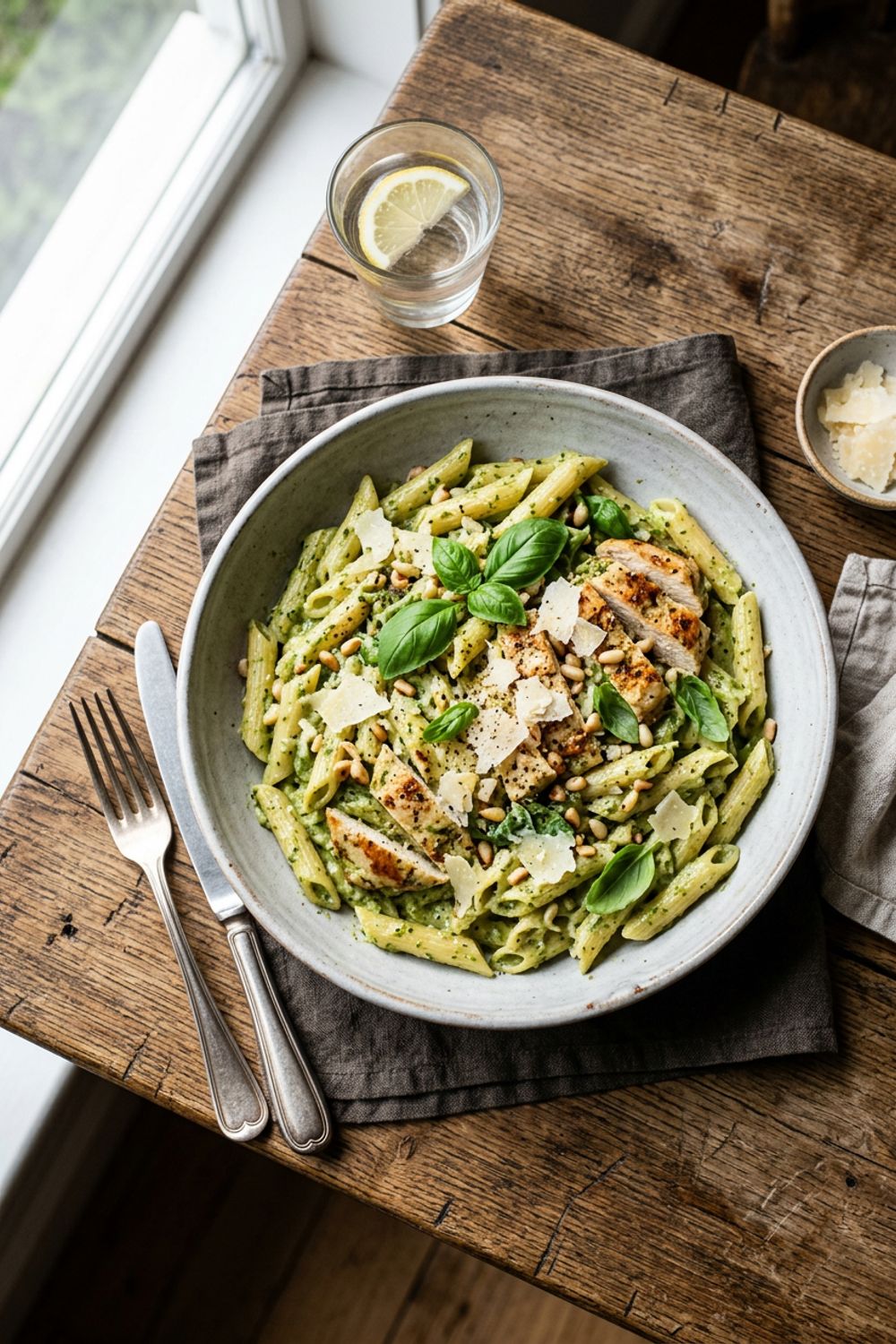
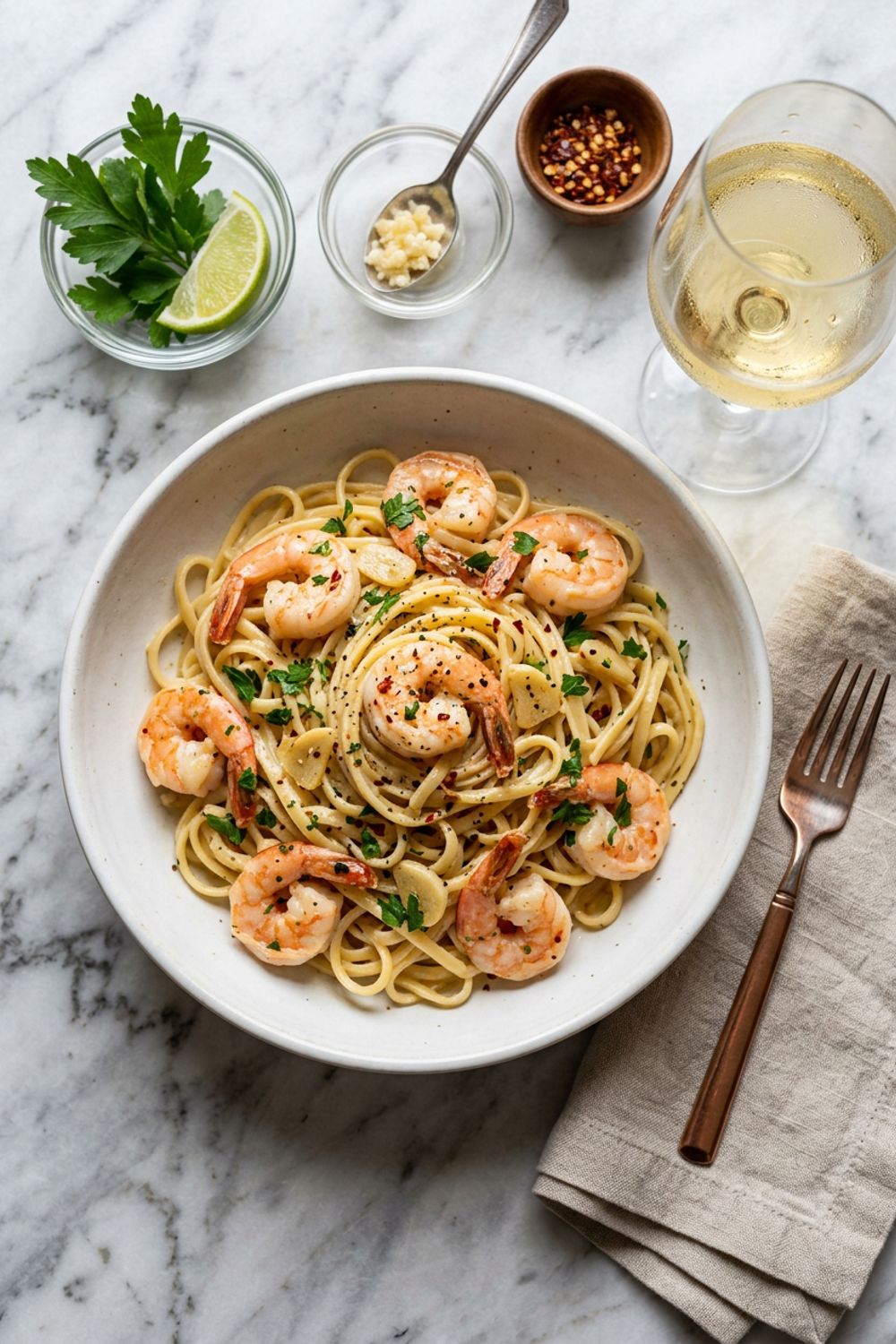
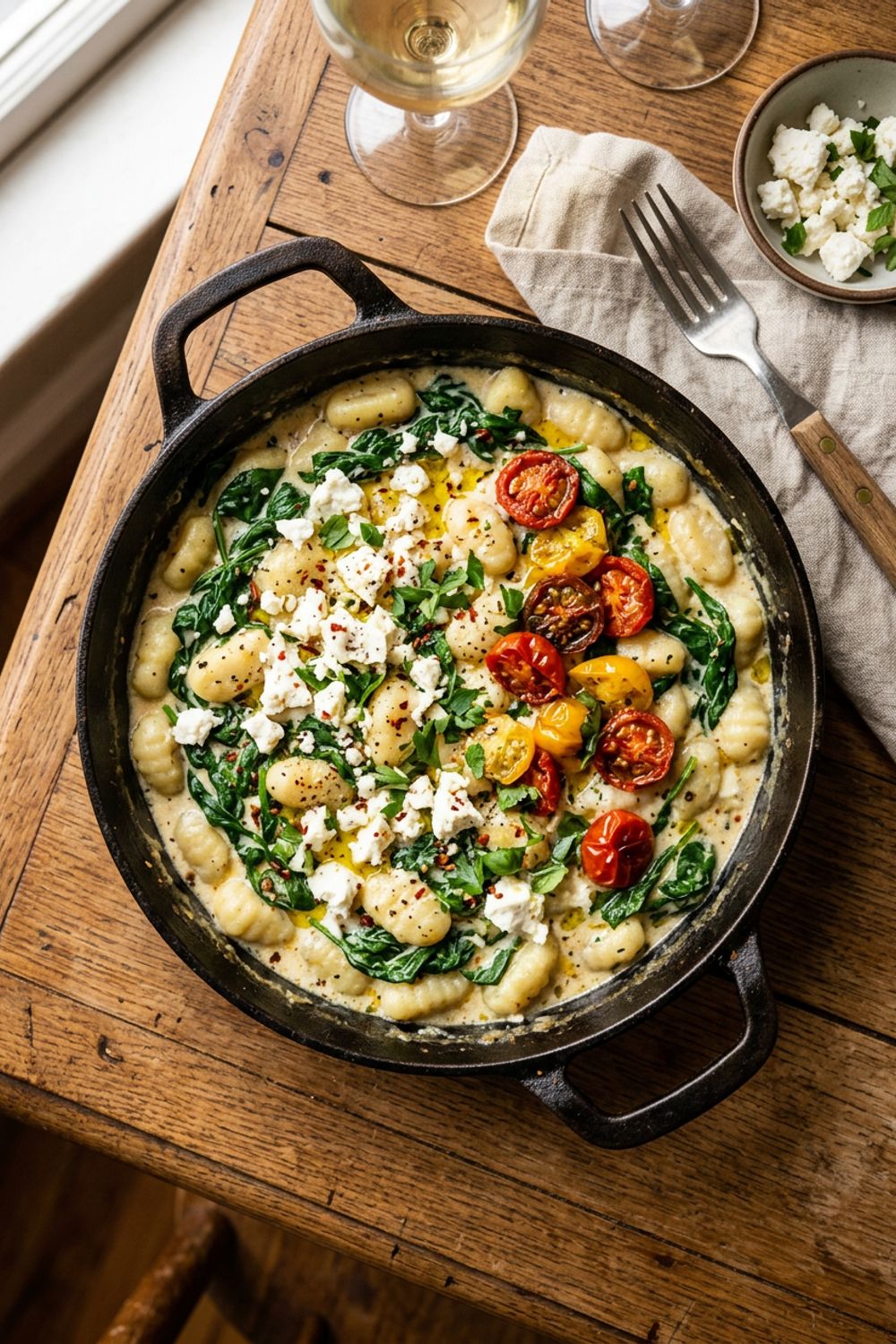
This steak Gorgonzola Alfredo is the recipe I pull out when I want to make someone feel truly special. For more indulgent pasta nights, try my creamy pesto chicken pasta, my creamy garlic butter shrimp pasta, or my creamy gnocchi with spinach and feta.
Ingredients
Steak
Pasta
Gorgonzola Alfredo Sauce
Balsamic Glaze
Garnish
Instructions
Temper and Season the Steak
Remove the steak from the refrigerator 30-45 minutes before cooking to bring it to room temperature. This ensures even cooking from edge to edge. Pat the steak very dry with paper towels, then season generously on both sides with salt, pepper, and garlic powder, pressing the seasonings into the meat.
Sear the Steak
Heat the olive oil in a cast iron skillet over high heat until the oil just begins to smoke. Carefully lay the steak in the pan and sear without moving for 4 minutes. Flip and sear for another 3 minutes for medium-rare (130°F / 54°C internal). In the last minute, add the butter, rosemary, and smashed garlic, tilting the pan and basting the steak with the foaming butter. Transfer to a cutting board and rest for 10 minutes.
Make the Balsamic Glaze
While the steak rests, combine the balsamic vinegar and brown sugar in a small saucepan over medium heat. Bring to a simmer and cook for 8-10 minutes, stirring occasionally, until reduced by half and thick enough to coat the back of a spoon. It will thicken further as it cools. Set aside.
Cook the Fettuccine
While the steak cooks, bring a large pot of salted water to a boil. Cook the fettuccine until 1 minute shy of al dente according to package directions. Reserve 1 cup of pasta water before draining. The starchy water is essential for achieving the right sauce consistency.
Build the Gorgonzola Alfredo
In a large, deep skillet or sauté pan, melt the butter over medium heat. Add the minced garlic and cook for 30 seconds. Pour in the heavy cream and bring to a gentle simmer. Cook for 3-4 minutes until slightly reduced. Add the crumbled Gorgonzola and grated Parmesan, stirring until both cheeses are completely melted and the sauce is smooth. Season with white pepper and nutmeg.
Toss and Plate
Add the drained fettuccine to the sauce and toss vigorously with tongs for 2 minutes, adding pasta water a tablespoon at a time until the sauce clings to every strand. Slice the rested steak against the grain into 1/4-inch strips. Divide the pasta among plates, fan the steak slices on top, drizzle with balsamic glaze, and finish with extra Gorgonzola crumbles, chopped parsley, and toasted walnuts if using.
Nutrition Information
Per serving (serves 4). Values are approximate.
| Calories | 680 calories |
| Total Fat | 38g |
| Saturated Fat | 20g |
| Carbohydrates | 46g |
| Sugar | 6g |
| Protein | 40g |
| Sodium | 890mg |
| Fiber | 2g |
* Percent Daily Values are based on a 2,000 calorie diet. Your daily values may be higher or lower depending on your calorie needs. Nutritional information is an estimate and may vary.
Never Miss a Recipe
Join 5,000+ home cooks and get new recipes straight to your inbox.
Frequently Asked Questions
What cut of steak is best for this recipe?
New York strip and ribeye are my top choices — both have excellent marbling and beefy flavor. Ribeye is richer and more tender, while strip has a slightly firmer chew and cleaner beef flavor. Sirloin works for a more budget-friendly option, but it is leaner and can dry out faster, so do not cook it past medium.
Can I use blue cheese instead of Gorgonzola?
Yes, any blue cheese works. Roquefort will be sharper and saltier, Stilton will be creamier and earthier, and Danish blue is milder and more approachable. Adjust the amount to taste since intensities vary — start with 3 oz and add more as needed.
Can I buy pre-made balsamic glaze?
Absolutely. Many grocery stores carry bottled balsamic glaze near the vinegars. It saves time and works perfectly well. Just check the ingredients — look for one with balsamic vinegar as the first ingredient, not caramel color and corn syrup.
How do I know when the steak is done?
An instant-read meat thermometer is the most reliable method. For medium-rare, pull the steak at 130°F (54°C) — it will rise 5 degrees while resting. For medium, pull at 135°F (57°C). I strongly recommend medium-rare for this recipe, as the steak will be sliced thin and a well-done steak can taste dry against the rich sauce.

Hi, I'm Lisa!
I create simple, tested recipes from around the world that anyone can make at home.
Learn More →Reader Reviews
Based on 442 reviews