Quick & Easy
Classic French Crêpes
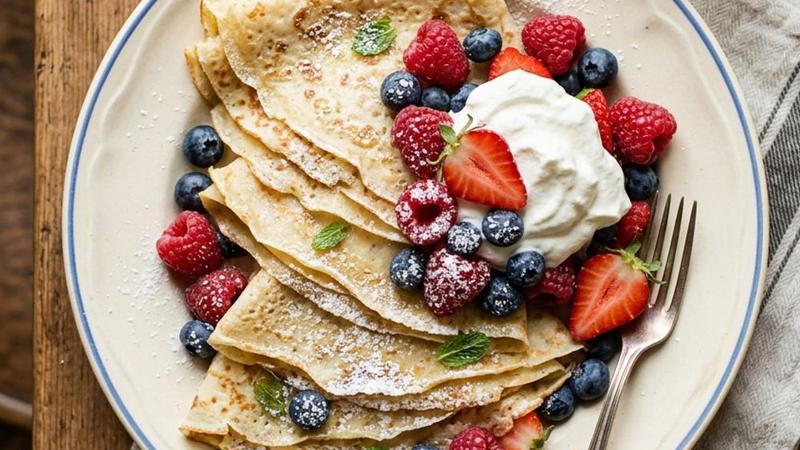
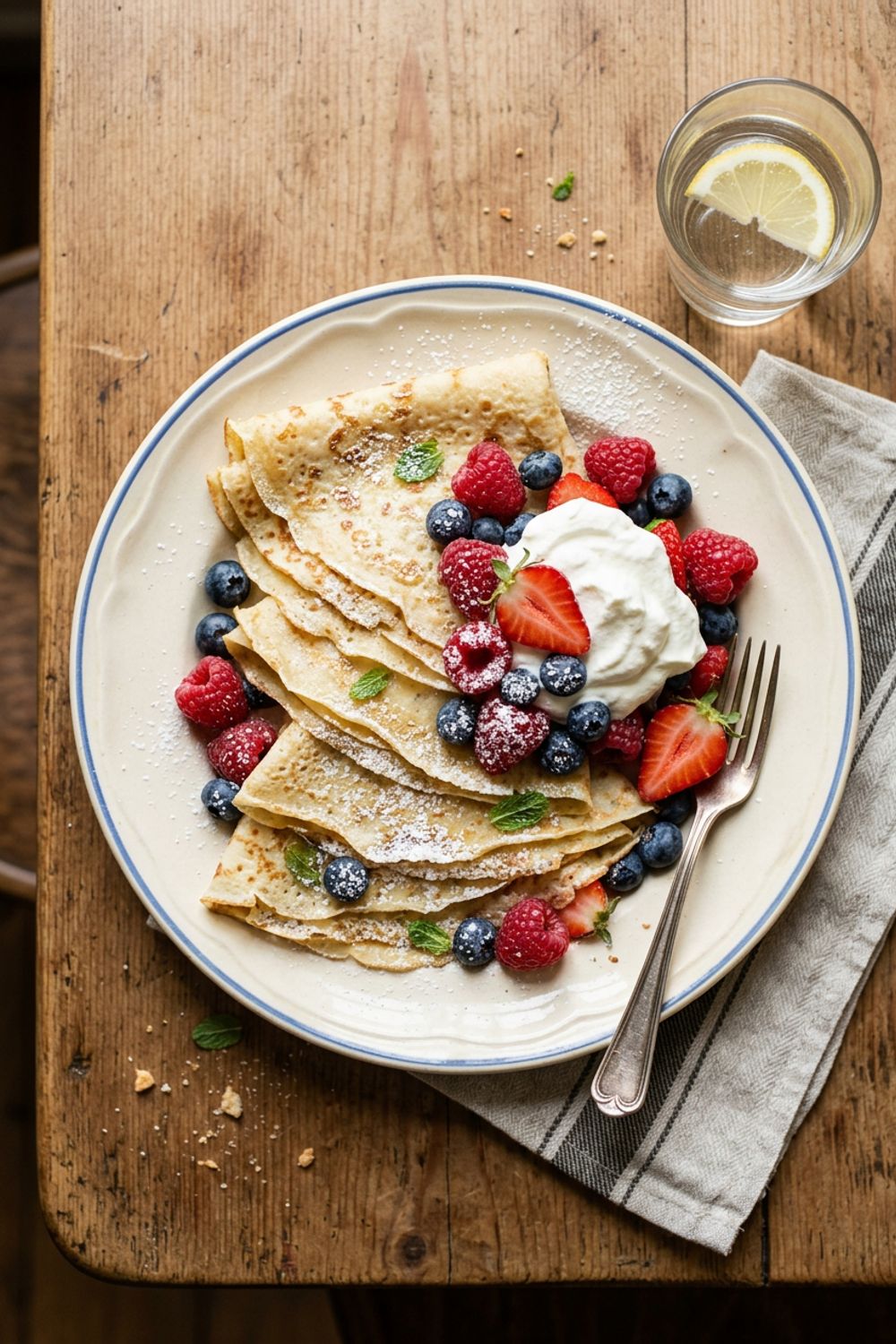
Light, thin, and buttery classic French crêpes — perfect for sweet or savory fillings. This foolproof recipe makes delicate crêpes every time.
Why This Classic Crêpe Recipe Is Special
If there is one recipe that makes me feel instantly transported to a Parisian sidewalk café, it is a freshly made crêpe. Thin as lace, golden around the edges, impossibly delicate — a well-made crêpe is one of the most versatile things you can create in a kitchen. And despite what you might think, they are easier than American pancakes because there is no worrying about getting them fluffy.
What makes this recipe my go-to is the ratio of milk to water. Many recipes use all milk (too heavy) or all water (too bland). I split the difference, giving you crêpes that are delicate and tender with just enough richness to taste buttery. The melted butter in the batter adds flavor and prevents sticking, and vanilla makes the sweet version smell heavenly. This is the recipe I have memorized and always come back to.
Understanding the Perfect Crêpe Batter
The batter is beautifully simple — six ingredients whisked together. The consistency should be like heavy cream: it flows off a spoon in a smooth, continuous stream without lumps. Too thick means thick crêpes; too thin means they will not hold together.
I add liquid gradually, whisking the eggs into flour first to create a thick paste, then thinning with milk and water. This prevents lumps far better than dumping everything in at once. If lumps persist, pour through a fine-mesh strainer.
The resting period is not optional. Those thirty minutes in the refrigerator let the flour fully absorb the liquid for a more tender, uniform texture, and any gluten developed during mixing relaxes. Rested batter spreads more easily and produces crêpes that fold without cracking.
Mastering the Pan Technique
The pan technique is where beginners struggle. The key: you have about three seconds to swirl the batter before it sets, so hesitation leads to thick, uneven crêpes.
Heat your pan over medium heat for two full minutes. A drop of batter should sizzle immediately but not smoke. Hold the pan handle, lift it off the burner, pour batter into the center, then immediately tilt in a smooth circular motion. One continuous fluid motion, not jerky tilts. Think of drawing a circle with the bottom of the pan.
Let the crêpe cook undisturbed until edges curl and the surface goes matte and dry. Peek underneath — when you see golden-brown coloring, flip in one confident motion. The second side cooks in thirty to forty-five seconds with an attractive spotted pattern.
Tips for Perfect Crêpes Every Time
The first crêpe is always a sacrifice. Every French crêpe cook knows this. It tests your pan temperature and batter consistency. Eat it as the cook’s reward and adjust from there.
Butter the pan sparingly. Use a folded paper towel dipped in melted butter. Re-butter every two or three crêpes.
Control your pour amount. Three tablespoons is all you need for an eight-inch pan. If your crêpes look like pancakes, reduce the batter.
Stack them to stay warm. The steam trapped between layers keeps crêpes warm and supple. For a crowd, keep the stack in a 200 degrees oven.
Let the batter thicken naturally. If it becomes too thick as it sits, stir in a tablespoon of milk.
Variations to Try
Buckwheat Galettes. Replace half the flour with buckwheat flour, omit sugar and vanilla, and add extra salt. These savory galettes are traditional for ham, cheese, and egg fillings.
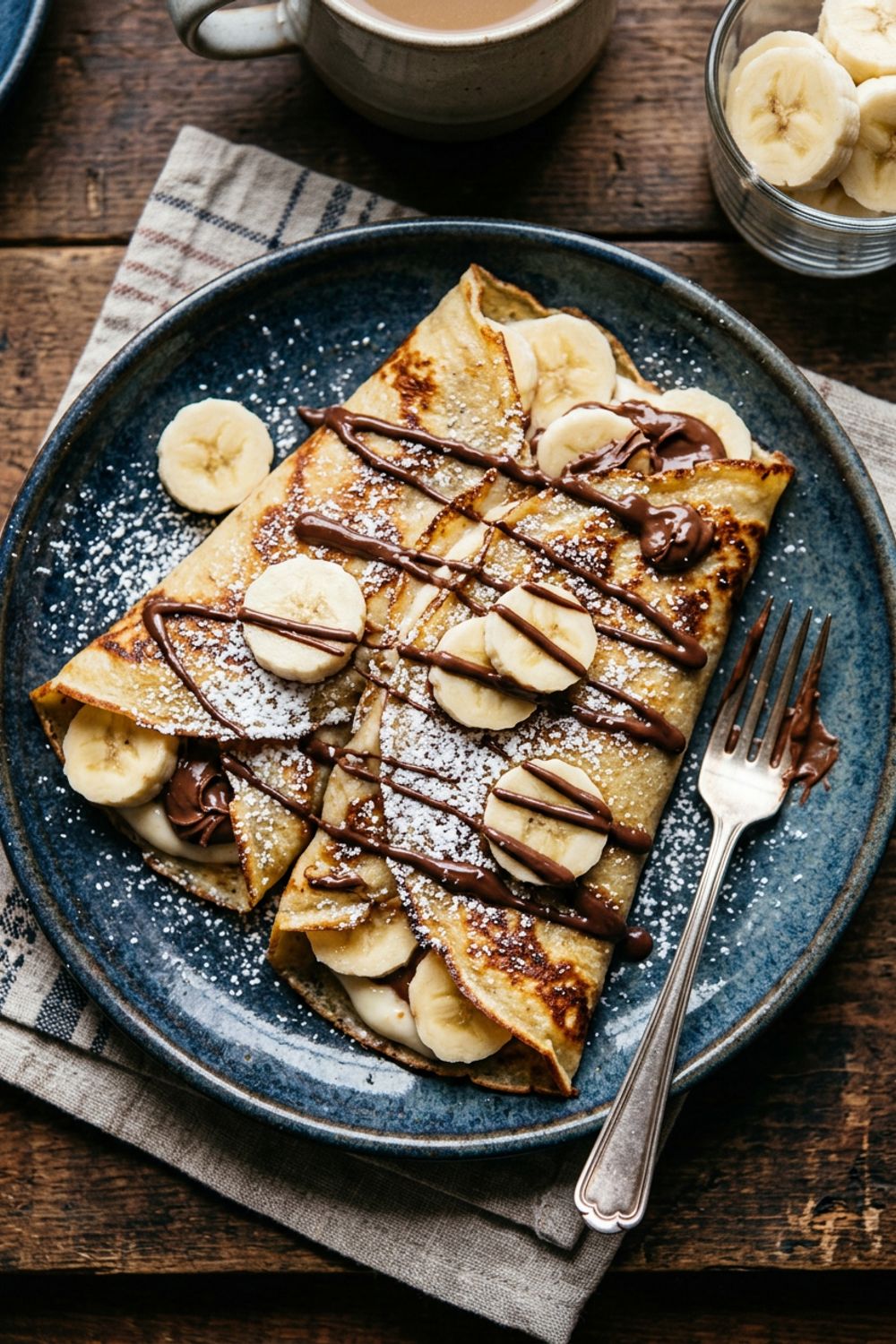
Chocolate Crêpes. Add two tablespoons of cocoa powder and an extra tablespoon of sugar. Stunning filled with whipped cream and strawberries, or try them with my Nutella crêpes filling.
Lemon Sugar — The Classic. Spread butter on a warm crêpe, squeeze lemon juice over it, sprinkle with sugar, and fold into quarters. The most traditional French street crêpe and still the best.
Crêpes Suzette. Make an orange butter sauce with butter, sugar, orange juice and zest, and Grand Marnier. Fold crêpes into quarters and warm in the sauce.
Savory Herb Crêpes. Omit sugar and vanilla, add chopped fresh herbs — chives, parsley, and tarragon. Fill with scrambled eggs and smoked salmon.
How to Store Crêpes
Stack cooled crêpes with parchment between each one, then seal in a freezer bag. They freeze beautifully for up to two months. Thaw in the refrigerator overnight or microwave individual crêpes for fifteen seconds. Refrigerated, a wrapped stack lasts four to five days.
Leftover batter stores in the refrigerator for up to 48 hours. Stir before using and add a splash of milk if needed.
Troubleshooting
Crêpes are too thick. Use less batter per crêpe and thin the batter with milk or water if needed.
Crêpes have holes. The pan was too hot. Reduce heat and lift the pan off the burner before pouring.
Crêpes are sticking. Butter the pan properly and add an extra tablespoon of melted butter to the batter.
Crêpes are rubbery. The batter was not rested long enough. Rest for at least thirty minutes and stir gently — do not re-whisk aggressively.
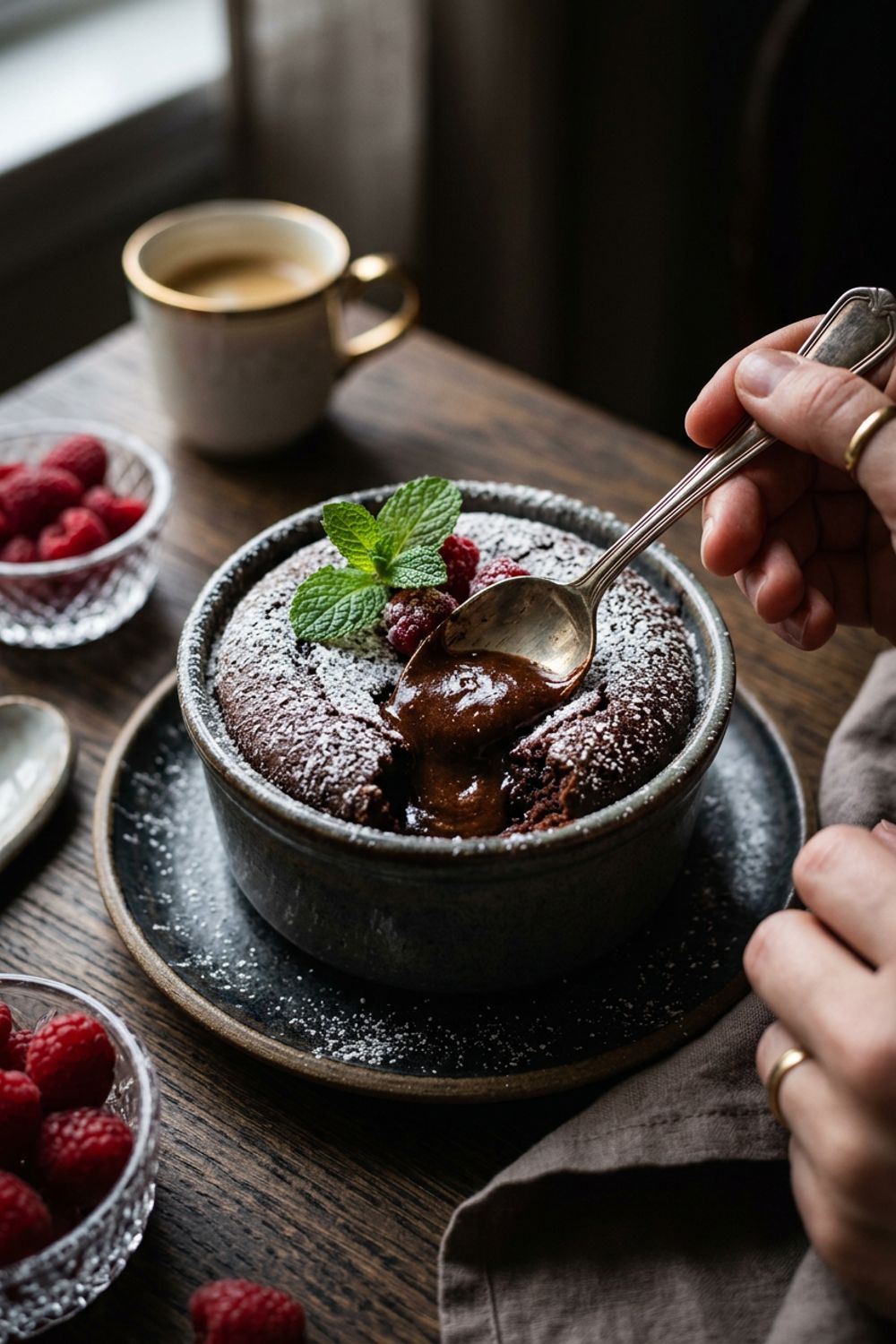
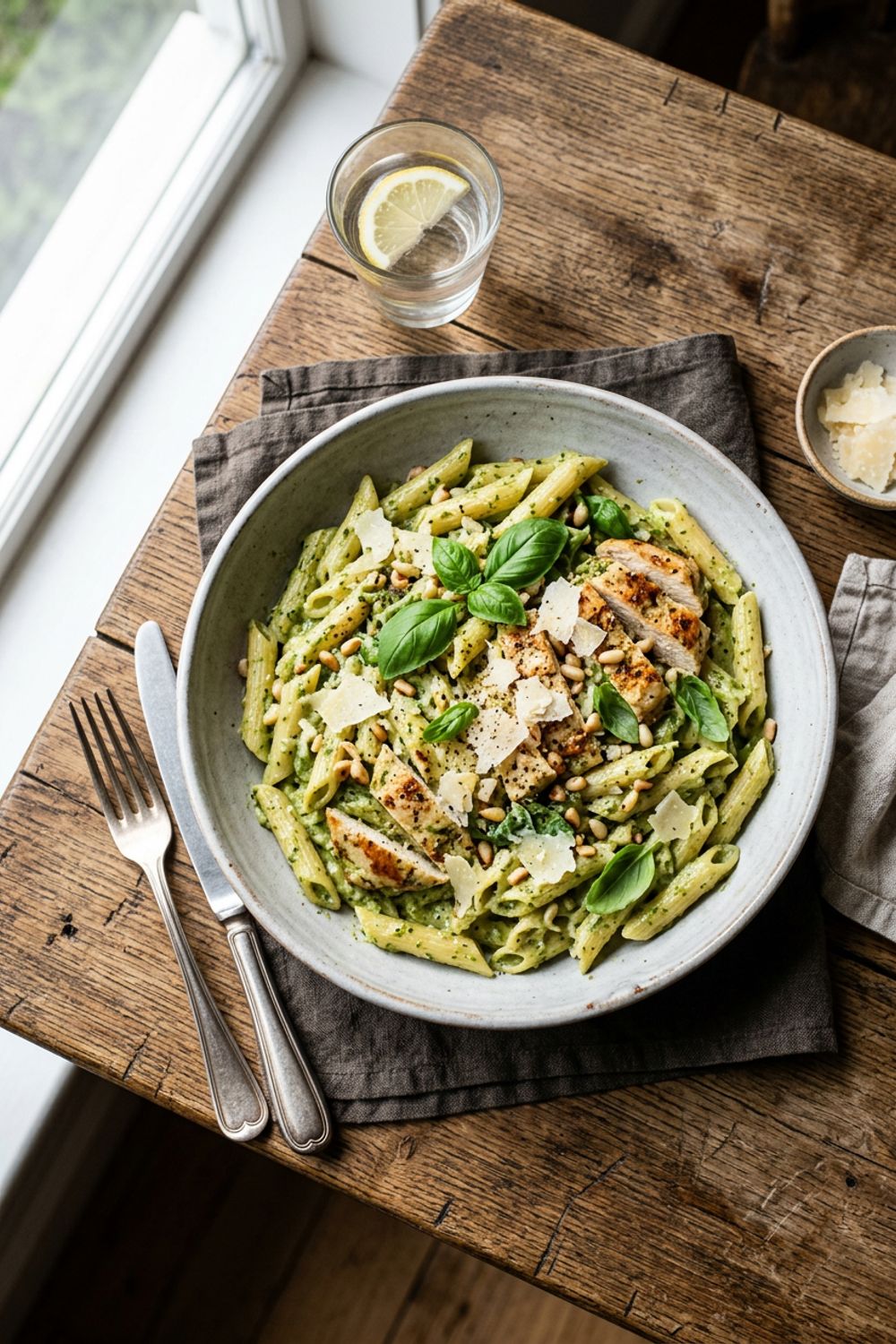
Nothing says weekend morning quite like warm crêpes with your favorite fillings. If you love these, try my Nutella crêpes for the ultimate indulgent breakfast. For another French treat, my chocolate lava cake delivers the same richness. And for something savory, my creamy pesto chicken pasta comes together in no time.
Ingredients
Crêpe Batter
For Serving
Instructions
Make the Batter
In a large bowl, whisk together the flour, sugar, and salt. Make a well in the center and add the eggs. Whisk the eggs, gradually incorporating the flour from the edges. Slowly pour in the milk and water while whisking until smooth. Add the melted butter and vanilla extract. The batter should be thin and smooth, like heavy cream.
Rest the Batter
Cover the bowl with plastic wrap and refrigerate for at least 30 minutes, or up to 24 hours. Resting allows the flour to fully hydrate and the gluten to relax, resulting in more tender crêpes. Stir the batter gently before using — it will have thickened slightly.
Heat the Pan
Heat an 8 to 10-inch non-stick skillet or crêpe pan over medium heat. Brush with a thin layer of melted butter using a pastry brush or paper towel. The pan is ready when a drop of batter sizzles immediately on contact.
Pour and Swirl
Lift the pan off the heat and pour about 3 tablespoons (45ml) of batter into the center. Immediately tilt and rotate the pan in a circular motion to spread the batter into a thin, even layer that covers the entire bottom. Work quickly — the batter sets fast.
Cook the First Side
Return the pan to the heat and cook for 1-2 minutes until the edges begin to curl away from the pan and the bottom is lightly golden. You will see the surface go from shiny and wet to matte and dry.
Flip and Cook the Second Side
Loosen the edges with a thin spatula, then either flip the crêpe with a quick wrist motion or use the spatula to carefully turn it. Cook the second side for 30-45 seconds — it will develop light brown spots but will not brown as evenly as the first side.
Stack and Serve
Slide the finished crêpe onto a plate and repeat with the remaining batter, brushing the pan lightly with butter every 2-3 crêpes. Stack the finished crêpes on top of each other — the steam keeps them pliable. Serve with your choice of toppings.
Nutrition Information
Per serving (serves 12). Values are approximate.
| Calories | 95 calories |
| Total Fat | 4g |
| Saturated Fat | 2g |
| Carbohydrates | 12g |
| Sugar | 2g |
| Protein | 3g |
| Sodium | 65mg |
| Fiber | 0g |
* Percent Daily Values are based on a 2,000 calorie diet. Your daily values may be higher or lower depending on your calorie needs. Nutritional information is an estimate and may vary.
Never Miss a Recipe
Join 5,000+ home cooks and get new recipes straight to your inbox.
Frequently Asked Questions
Why do I need to rest the batter?
Resting allows the flour to fully absorb the liquid and the gluten strands to relax. This results in crêpes that are more tender, less rubbery, and easier to spread thin. Skipping this step produces crêpes that are tougher and more likely to tear.
Can I make crêpe batter in a blender?
Absolutely! Add the wet ingredients first, then the dry ingredients, and blend for about 20 seconds until smooth. This is actually my preferred method for a perfectly lump-free batter. You still need to rest the batter afterward.
Why are my crêpes tearing when I flip them?
The crêpes may be too thin, the pan may be too hot, or they may not be cooked enough on the first side before flipping. Wait until the edges curl and the surface looks completely dry before attempting to flip.
Can I make these crêpes savory?
Yes! Simply omit the sugar and vanilla extract. You can add a pinch of dried herbs to the batter if desired. Fill with ham and cheese, sautéed mushrooms, or spinach and egg for a savory meal.
How many crêpes does this recipe make?
This recipe yields about 12 crêpes using an 8-inch pan, or about 10 using a 10-inch pan. The exact number depends on how thin you spread the batter.

Hi, I'm Lisa!
I create simple, tested recipes from around the world that anyone can make at home.
Learn More →Reader Reviews
Based on 445 reviews