Pasta & Noodles
Pasta With Fresh Tomato Sauce
Learn how to make authentic pasta with fresh tomato sauce. Simple, vibrant, and bursting with flavor in just 30 minutes.
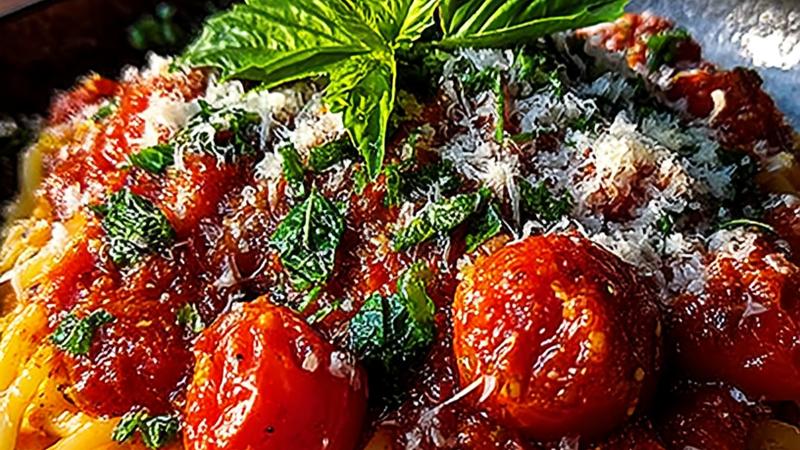
Why Make Fresh Tomato Sauce?
There’s something deeply satisfying about making pasta sauce from scratch, and I’m always amazed at how different it tastes from jarred versions. When you use fresh tomatoes at peak ripeness, you’re capturing the essence of summer in a bowl. The flavor is brighter, more complex, and somehow more authentic. The sauce comes together in just thirty minutes, making it perfect for weeknight dinners, yet it’s elegant enough to serve to guests. Plus, there’s an undeniable pride in presenting a homemade sauce that you’ve made with your own two hands. I genuinely believe that cooking with fresh ingredients is one of life’s simple pleasures, and this recipe is the perfect gateway into that world.
Choosing the Right Tomatoes
This is perhaps the most important step in creating an exceptional fresh tomato sauce. The quality of your tomatoes directly determines the quality of your final dish. During peak summer months (June through September in most of North America), visit your local farmers market and seek out tomatoes that are heavy, fragrant, and deeply colored. Ask the farmer when they were picked—same-day or the day before is ideal. Heirloom varieties offer incredible flavor complexity, though they can be pricier. Roma and San Marzano tomatoes are excellent if you prefer a meatier texture with fewer seeds. If you’re making this recipe outside of tomato season, don’t hesitate to use high-quality canned tomatoes instead—a winter pasta with canned San Marzano tomatoes is infinitely better than disappointing, flavorless fresh tomatoes shipped from across the country.
The Secret to Silky Sauce
One technique that transformed my pasta-making was understanding the power of pasta water. That starchy liquid is pure gold in the kitchen. When you emulsify it with the olive oil in your sauce and toss it with the pasta, something magical happens—the sauce coats every strand beautifully, creating a luxurious mouthfeel that you simply can’t achieve with sauce alone. This technique, called ‘mantecatura’ in Italian cooking, is what separates restaurant-quality pasta from mediocre home cooking. Start conservatively with your pasta water—you can always add more, but you can’t remove it. The finished sauce should look glossy and coat the back of a spoon, clinging to the pasta rather than pooling at the bottom of the bowl.
Storing and Reheating Tips
I’m a big believer in making double batches of this sauce when I have the time, because it stores beautifully and makes future meals effortless. Store cooled sauce in airtight glass containers in the refrigerator for up to three days, or freeze in portion-sized containers for up to three months. When freezing, leave about an inch of headspace at the top of the container to allow for expansion. To reheat, thaw overnight in the refrigerator if frozen, then gently warm in a saucepan over medium-low heat, stirring occasionally and adding a splash of water or broth if it’s thickened. Never use high heat when reheating, as this can cause the sauce to scorch or lose its fresh flavor. I love having this sauce on hand for busy weeknights—it’s like having a little piece of summer in my freezer.
Variations and Flavor Additions
While the pure, simple version of this sauce is absolutely perfect on its own, there are wonderful ways to build on it depending on your mood and what’s in your pantry. Add a splash of red wine during the simmering stage for depth and richness. Stir in a spoonful of balsamic vinegar in the last minute of cooking for subtle sweetness and acidity balance. Fresh fennel or a pinch of fennel seeds echo Italian classic flavors beautifully. A handful of fresh spinach or a few leaves of fresh arugula stirred in at the end adds earthiness and nutrition. Some cooks love adding a anchovy—it dissolves completely during cooking and adds incredible umami depth without a fishy taste. Even a tablespoon of butter whisked in at the very end creates a silkier, more luxurious sauce. Start with the classic version, then experiment with additions that excite you.
Pairing Wine and Sides
This fresh tomato pasta pairs beautifully with a crisp, light wine. An Italian Pinot Grigio or Vermentino complements the bright tomato flavors without overwhelming them. For a red wine pairing, choose something light and unoaked like a young Chianti or Barbera. Before serving your pasta, I love starting with a simple salad of mixed greens with a light vinaigrette—the acidity and freshness prepare your palate for the rich, tomatoey pasta to follow. Garlic bread is a traditional accompaniment, though it can feel heavy alongside this already satisfying dish. Instead, consider offering crusty bread for soaking up every last bit of sauce. For dessert, something light and refreshing like lemon sorbet or fresh berries respects the meal’s Italian simplicity and prevents that overstuffed feeling. This is a meal meant to be savored slowly, with good company and conversation flowing as freely as the wine.
Ingredients
For the Sauce
For the Pasta
Instructions
Prepare Your Tomatoes
Score the bottom of each tomato with a small cross, then blanch them in boiling water for 1-2 minutes until the skin begins to split. Transfer immediately to an ice bath to cool. Once cooled, the skin will slip off easily. Cut the peeled tomatoes in half and gently squeeze out the seeds and excess liquid. Chop the tomatoes into medium chunks—you want them rustic and chunky, not perfectly uniform. This is where the magic begins, and I always find myself admiring the beautiful red flesh of perfectly ripe summer tomatoes.
Start Your Sauce Base
Heat the extra virgin olive oil in a large, heavy-bottomed saucepan over medium heat. Once shimmering, add your minced garlic and sauté for just 60-90 seconds, stirring constantly. You want it fragrant and golden, but not browned—burnt garlic will add an unpleasant bitterness to your beautiful sauce. The aroma that fills your kitchen at this moment is absolutely heavenly and gets me excited every single time I make this.
Build Layers of Flavor
Add your chopped tomatoes to the garlic oil, stirring gently to combine. Pour in any juices that accumulated on your cutting board—that's liquid gold for your sauce. Season with sea salt, black pepper, dried oregano, and the optional red pepper flakes. If your tomatoes aren't quite as sweet as you'd hoped, add the optional teaspoon of sugar to balance the acidity. Stir everything together and bring to a gentle simmer. The sauce should bubble softly around the edges, never a rolling boil—we're coaxing out flavors, not cooking them away.
Simmer and Taste
Reduce the heat to medium-low and let your sauce simmer gently for 15-20 minutes. You'll notice the tomatoes beginning to break down naturally, creating a chunky-textured sauce that's utterly different from jarred varieties. Stir occasionally and taste as you go. This is when I add the fresh basil—tear it by hand rather than cutting it with a knife to prevent bruising and to maintain its vibrant green color and fresh flavor. Keep tasting and adjusting the salt and pepper until the flavor is exactly how you like it. Remember, the pasta water will add a bit of saltiness when we finish, so don't over-salt now.
Cook Your Pasta
While your sauce simmers, bring a large pot of water to a rolling boil and add 2 tablespoons of salt—the water should taste like the sea. Add your pasta and cook according to package directions, but aim for al dente, which means it should have just a slight resistance when you bite into it. I always pull out a piece about a minute before the package suggests and taste it, as the exact cooking time can vary based on how fresh your pasta is and the specific shape you're using.
Reserve Pasta Water
Before draining your pasta, reserve at least 1 cup (240ml) of the starchy pasta cooking water. This liquid gold is essential for bringing your entire dish together. Set it aside in a measuring cup or small bowl—you'll use it to adjust the sauce's consistency and help it coat the pasta perfectly.
Bring It All Together
Drain your pasta and add it directly to your simmering sauce, along with a splash of the reserved pasta water—I typically start with about 1/2 cup (120ml). Toss gently but thoroughly, allowing the starch-laden water to emulsify with the olive oil and create a silky coating on every strand. Add more pasta water as needed until the sauce is luscious but not watery. The sauce should cling beautifully to the pasta, creating a luxurious mouthfeel.
Plate and Serve
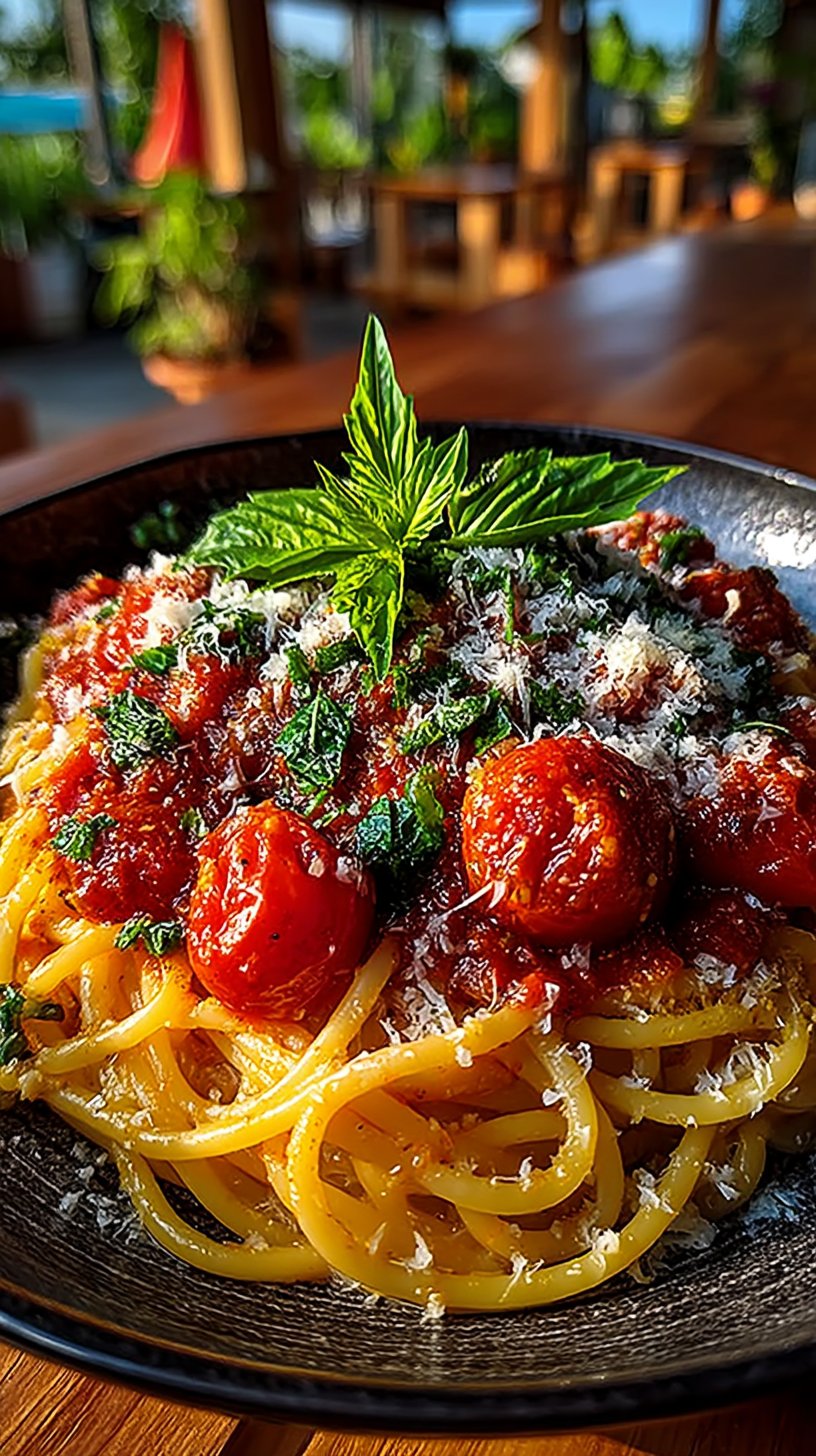
Divide your pasta among serving bowls or plates, making sure each portion gets plenty of sauce. Top with a fresh basil leaf, a drizzle of extra virgin olive oil, and a generous handful of freshly grated Parmesan cheese if desired. Serve immediately while everything is at its warmest and most delicious. There's nothing quite like that first bite of homemade pasta with fresh tomato sauce—it reminds me why I fell in love with cooking in the first place.
Nutrition Information
Per serving (serves 4). Values are approximate.
| Calories | 385 calories |
| Total Fat | 12g |
| Saturated Fat | 2g |
| Carbohydrates | 58g |
| Sugar | 8g |
| Protein | 14g |
| Sodium | 480mg |
| Fiber | 4g |
* Percent Daily Values are based on a 2,000 calorie diet. Your daily values may be higher or lower depending on your calorie needs. Nutritional information is an estimate and may vary.
Never Miss a Recipe
Join 5,000+ home cooks and get new recipes straight to your inbox.
Frequently Asked Questions
Can I use canned tomatoes instead of fresh?
Absolutely! While fresh tomatoes are ideal when they're in season, canned tomatoes work beautifully too. Use two 28-ounce (800g) cans of crushed San Marzano tomatoes, which are known for their sweet flavor and lower acidity. Since they're already processed, you can skip the blanching and peeling step and go straight to simmering. You might want to add a pinch of sugar to balance any acidity from the canning process.
How do I know when my tomatoes are ripe enough for this recipe?
The best tomatoes for this sauce are deeply fragrant, slightly soft when gently squeezed, and feel heavy for their size. Look for tomatoes with deep color and no green shoulders. Heirloom varieties like Brandywine, Cherokee Purple, or San Marzano are wonderful choices. If you can, smell the stem end—truly ripe tomatoes will have a sweet, unmistakable aroma. Avoid refrigerating them before cooking, as cold temperatures diminish their flavor.
What if my sauce is too watery or too thick?
If your sauce is too watery after simmering, increase the heat slightly and let it bubble gently for another 5-10 minutes to reduce and concentrate. If it's too thick and chunky for your preference, stir in some of your reserved pasta water or a splash of vegetable broth. The beauty of homemade sauce is that you have complete control over the consistency—there's no wrong answer, just personal preference!
Can I make this sauce ahead of time?
Yes! This sauce actually tastes better the next day as the flavors continue to develop and mellow. Make it up to 3 days ahead and store in an airtight container in the refrigerator. You can also freeze it for up to 3 months. When reheating, do so gently over medium-low heat, adding a splash of water or broth if it's thickened too much during storage. I often make double batches on weekends for quick weeknight dinners.
What type of pasta works best with this sauce?
Any pasta shape works beautifully with this fresh tomato sauce! Spaghetti is classic and elegant, while penne catches the sauce nicely in its tube shape. I love using linguine for a delicate presentation or rigatoni for a heartier feel. Short pastas like farfalle and orecchiette are also wonderful. Choose based on what you have on hand or what you're in the mood for—the sauce is versatile enough to shine with any shape.

Hi, I'm Lisa!
I create simple, tested recipes from around the world that anyone can make at home.
Learn More →Reader Reviews
Based on 394 reviews
Leave a Review
You Might Also Like
Chicken & Poultry
Creamy Pesto Chicken Pasta
Pasta & Noodles
Coquillettes au Jambon - French Macaroni and Cheese with Ham
Pasta & Noodles
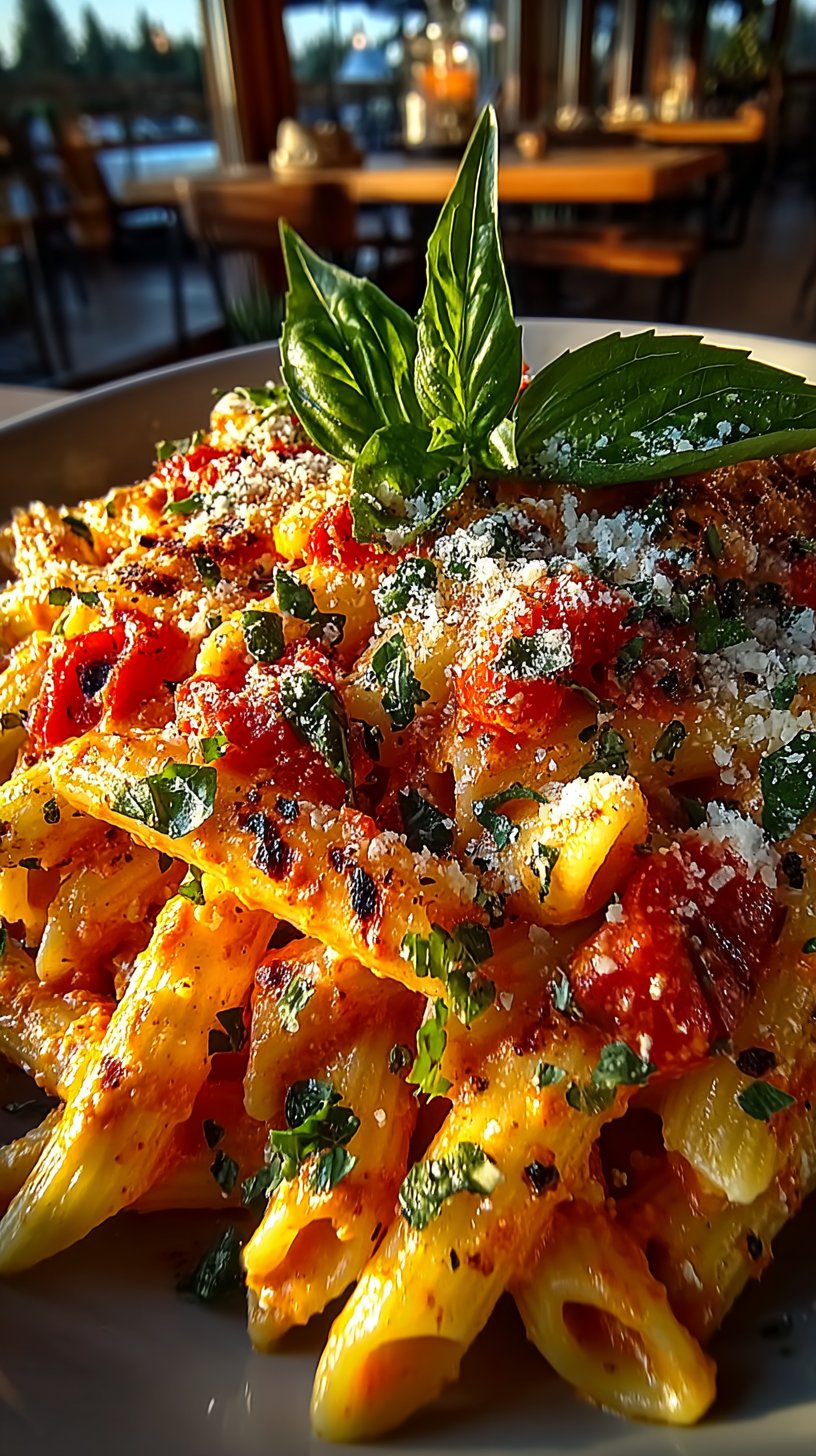
Pasta Alla Vodka Recipe: Creamy Tomato Sauce That's Simply Irresistible
Pasta & Noodles