Pasta & Noodles
Angel Hair Pasta Pomodoro
Learn how to make authentic Angel Hair Pasta Pomodoro at home. This classic Italian dish features delicate pasta with fresh tomato sauce in just 30 minutes.
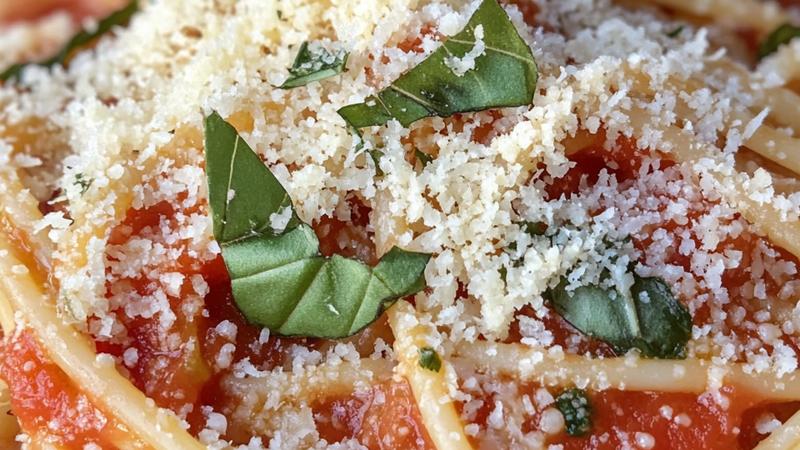
Why I Love Angel Hair Pasta Pomodoro
When I first traveled to Italy at 22, I stayed with a family in Tuscany who taught me that the simplest dishes are often the most profound. Angel hair pasta pomodoro is the perfect example of this philosophy. With just a handful of quality ingredients—ripe tomatoes, garlic, olive oil, and fresh basil—you create something that tastes like pure comfort and elegance combined. I’ve made this dish hundreds of times since then, and it never gets old. There’s something magical about how the delicate pasta strands absorb the silky tomato sauce, creating a dish that’s light yet deeply satisfying. This recipe has become my go-to when I want to impress someone with minimal effort, or when I simply want to treat myself to something beautiful on a weeknight.
Choosing Quality Ingredients
The beauty of pomodoro is that there’s nowhere to hide—every ingredient matters. I always use San Marzano tomatoes because they have lower acidity and fewer seeds than other varieties, creating a naturally silky sauce. These tomatoes are grown in the volcanic soil near Mount Vesuvius in Italy, and the difference is noticeable. For olive oil, I use extra virgin oil that I actually taste before buying. Your olive oil should smell fresh and grassy, never musty or rancid. I keep two bottles: a robust one for cooking the sauce and a delicate, peppery one for finishing. Fresh garlic is non-negotiable—never use pre-minced garlic from a jar. The flavor is completely different. And please, invest in real Parmigiano-Reggiano cheese. The difference between authentic and imitation is like night and day. These quality ingredients are what transform a simple pasta dish into something restaurant-worthy.
The Technique Behind Perfect Pomodoro
What I’ve learned through years of cooking is that technique matters as much as ingredients in Italian cuisine. The way you build your sauce—starting with garlic in olive oil, then adding tomatoes and letting them simmer—creates layers of flavor that you can’t rush. The gentle simmer allows the tomatoes to break down naturally and the flavors to meld. Adding the pasta directly to the sauce rather than simply tossing them together is crucial; this allows the starch from the pasta to emulsify with the oil and create that signature silky coating. The pasta water is your secret weapon—it’s not just water, it’s a thickening agent that helps the sauce cling to every strand. This is why Italian cooks never rinse their pasta. These small techniques are what separate homemade pomodoro from something that tastes flat and one-dimensional.
Variations and Adaptations
While I’m a purist at heart, I love how adaptable this dish is. During summer when my garden is overflowing with basil, I sometimes make a quick basil oil to drizzle on top—it’s absolutely divine. I’ve added crispy pancetta for richness, fresh mozzarella for creaminess, and even a touch of red wine to deepen the tomato flavor. One of my favorite variations is adding a handful of fresh spinach at the very end; it wilts into the sauce and adds nutrition without changing the essential character of the dish. I’ve also experimented with different pasta shapes—while angel hair is traditional, I’ve had success with spaghetti, linguine, and even pappardelle. The key is maintaining the simplicity and letting the tomato sauce shine. Whatever variation you choose, remember that pomodoro is about quality ingredients and proper technique, not about adding too many things.
Serving and Pairing Suggestions
Angel hair pasta pomodoro is elegant enough for dinner guests but simple enough for a solo meal. I like to serve it with a crisp white wine like Pinot Grigio or Vermentino, which complements the bright acidity of the tomatoes. A simple green salad with lemon vinaigrette on the side is perfect—it cleanses your palate between bites. Crusty bread is essential for soaking up every last bit of sauce. For a more substantial meal, I’ll add grilled chicken or shrimp, but honestly, this dish stands beautifully on its own. I often make it for lunch, dinner, or even as a light supper. The beauty of pomodoro is its versatility—it works for any occasion. I’ve served it at casual family dinners and at more formal gatherings, and it’s always appreciated. The key is presenting it with care: use warm bowls, grate the cheese fresh, and serve immediately while everything is hot.
Ingredients
Pasta & Base
Sauce
Finishing
Instructions
Prepare Your Ingredients
I always start by gathering everything I need before I begin cooking. Mince your garlic cloves finely—this is crucial because angel hair pasta cooks so quickly that you won't have much time once you start. Tear your fresh basil leaves by hand rather than cutting them with a knife; this prevents bruising and keeps the flavor bright and vibrant. Have your Parmigiano-Reggiano cheese ready to grate fresh, as pre-grated cheese contains anti-caking agents that affect the sauce's silky texture.
Start the Pasta Water
Fill a large pot with 6 cups of water and bring it to a rolling boil over high heat. Add 2 teaspoons of kosher salt—the water should taste like the sea. This is your only opportunity to season the pasta itself, so don't skip this step. I learned this trick from my Italian cooking instructor, and it makes such a difference in the final dish. Keep the water at a vigorous boil while you prepare the sauce.
Build Your Sauce Base
While waiting for the water to boil, heat 3 tablespoons of extra virgin olive oil in a large skillet over medium heat. Once the oil is shimmering and fragrant, add your minced garlic and sauté for about 1 minute, stirring constantly. You want the garlic to become fragrant and golden, but never brown—burnt garlic tastes bitter and will ruin your delicate sauce. This is the foundation of your pomodoro, so take your time with this step.
Create the Tomato Sauce
Carefully pour in your can of crushed San Marzano tomatoes, along with all the juice. Add 1 teaspoon of salt, 1/2 teaspoon of black pepper, 1/4 teaspoon of red pepper flakes, and 1 teaspoon of sugar. The sugar balances the acidity of the tomatoes—I never skip this. Stir everything together and bring the sauce to a gentle simmer over medium heat. Let it bubble softly for about 10-12 minutes, stirring occasionally. The sauce will deepen in color and the flavors will meld beautifully. This is when I add my torn basil leaves, reserving a few for garnish.
Cook the Angel Hair Pasta
Once your pasta water is at a rolling boil, carefully add the angel hair pasta and stir immediately to prevent sticking. Angel hair is delicate and cooks very quickly—usually in 7-9 minutes depending on your brand. Start checking at 7 minutes by tasting a strand. You want it al dente, with just a slight firmness when you bite it. Don't rely solely on the package timing; every stove is different. Reserve 1 cup of pasta water before draining—this starchy water is liquid gold for finishing your sauce.
Combine Pasta and Sauce
Drain your pasta and immediately add it to your simmering sauce. Toss gently to coat every strand with the beautiful red sauce. Add 2 tablespoons of unsalted butter and toss again—this creates an emulsion that makes the sauce cling to the pasta. If your sauce seems too thick, add a splash of reserved pasta water, a few tablespoons at a time, until you reach a silky consistency that lightly coats the back of a spoon. This is the secret to restaurant-quality pomodoro.
Plate and Garnish
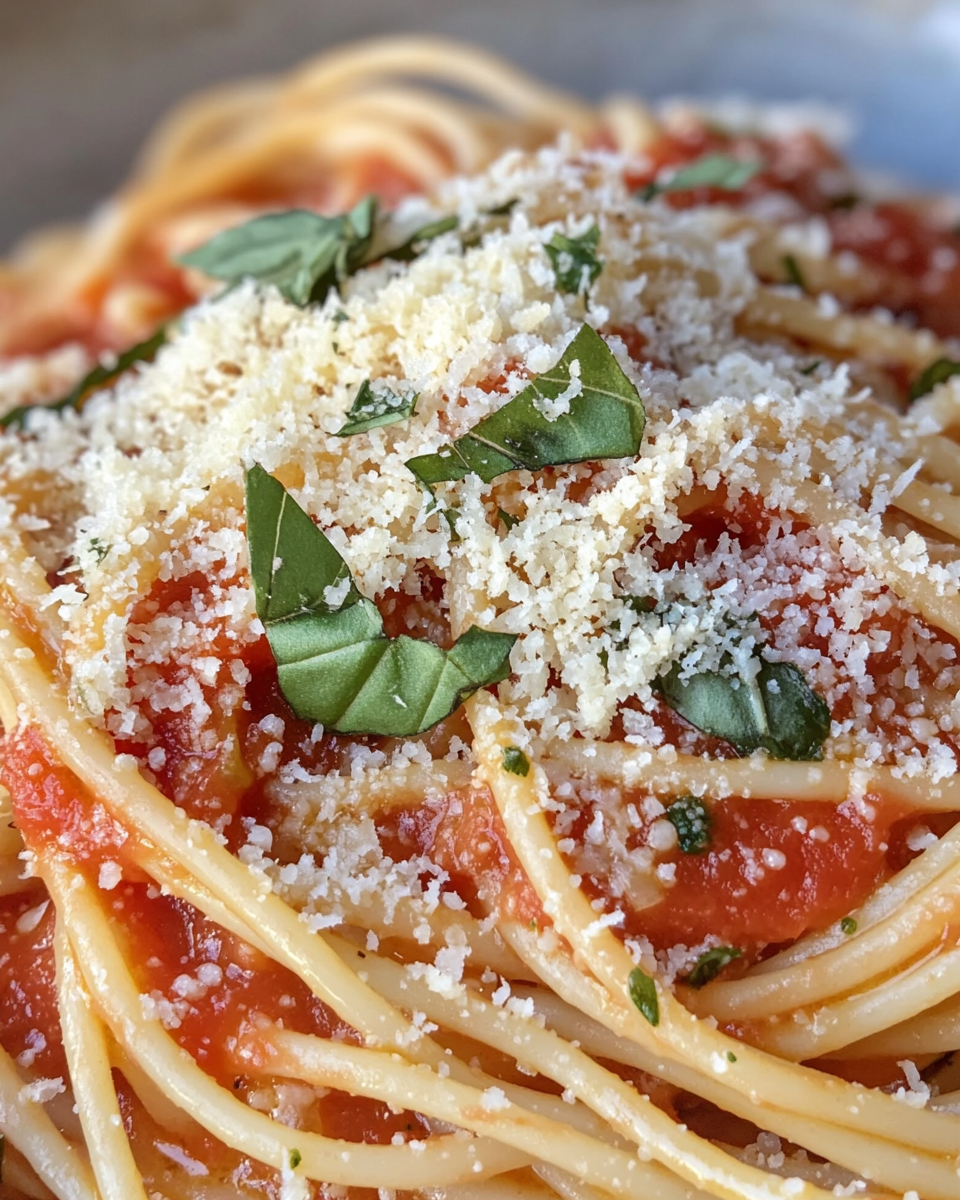
Divide the angel hair pasta pomodoro among four bowls or plates. Sprinkle each serving with freshly grated Parmigiano-Reggiano cheese and a few reserved fresh basil leaves. Drizzle with a small amount of your best extra virgin olive oil for that final touch of elegance. Serve immediately while the pasta is hot and the sauce is still silky. This dish is best enjoyed right away, as the pasta continues to absorb sauce as it sits.
Nutrition Information
Per serving (serves 4). Values are approximate.
| Calories | 320 calories |
| Total Fat | 12g |
| Saturated Fat | 3g |
| Carbohydrates | 42g |
| Sugar | 6g |
| Protein | 12g |
| Sodium | 580mg |
| Fiber | 2g |
* Percent Daily Values are based on a 2,000 calorie diet. Your daily values may be higher or lower depending on your calorie needs. Nutritional information is an estimate and may vary.
Never Miss a Recipe
Join 5,000+ home cooks and get new recipes straight to your inbox.
Frequently Asked Questions
Can I use fresh tomatoes instead of canned?
Absolutely! I actually prefer fresh tomatoes when they're in season. You'll need about 2 pounds of ripe tomatoes. Blanch them in boiling water for 1 minute, then transfer to ice water. Peel off the skin, remove the seeds, and chop the flesh. Simmer for the same 10-12 minutes. Fresh tomatoes have a brighter flavor, though canned San Marzano tomatoes are more consistent year-round and are actually picked at peak ripeness.
What if I don't have fresh basil?
While fresh basil is ideal for pomodoro, you can use 1 teaspoon of dried basil added with the tomatoes. However, I'd recommend adding a small handful of fresh parsley if you have it, as it adds freshness. You can also make this sauce without basil entirely—it's still delicious, just slightly different. Fresh basil really does make a noticeable difference though, so I encourage you to seek it out.
Can I make this sauce ahead of time?
Yes! The sauce actually tastes better the next day as the flavors deepen. Make it up to 2 days ahead and store it in an airtight container in the refrigerator. Reheat gently over medium-low heat, adding a splash of water if it's too thick. Add fresh basil just before serving for the brightest flavor. I often make a double batch on Sunday for quick weeknight dinners.
What type of pasta water should I reserve?
Reserve the water after draining the pasta—it's starchy and helps emulsify the sauce, creating that silky coating. Don't rinse your pasta before adding it to the sauce, as the starch on the pasta also helps the sauce cling beautifully. This is a fundamental technique in Italian cooking that makes a real difference in the final texture.
Can I add protein to this dish?
Definitely! Angel hair pasta pomodoro is versatile. Add grilled chicken breast, sautéed shrimp, or crispy pancetta. You can also make it vegetarian by adding sautéed mushrooms, zucchini, or spinach. Add proteins after the sauce is done simmering so they don't overcook. This is how I often adapt it for different family preferences.

Hi, I'm Lisa!
I create simple, tested recipes from around the world that anyone can make at home.
Learn More →Reader Reviews
Based on 425 reviews
Leave a Review
You Might Also Like
Chicken & Poultry
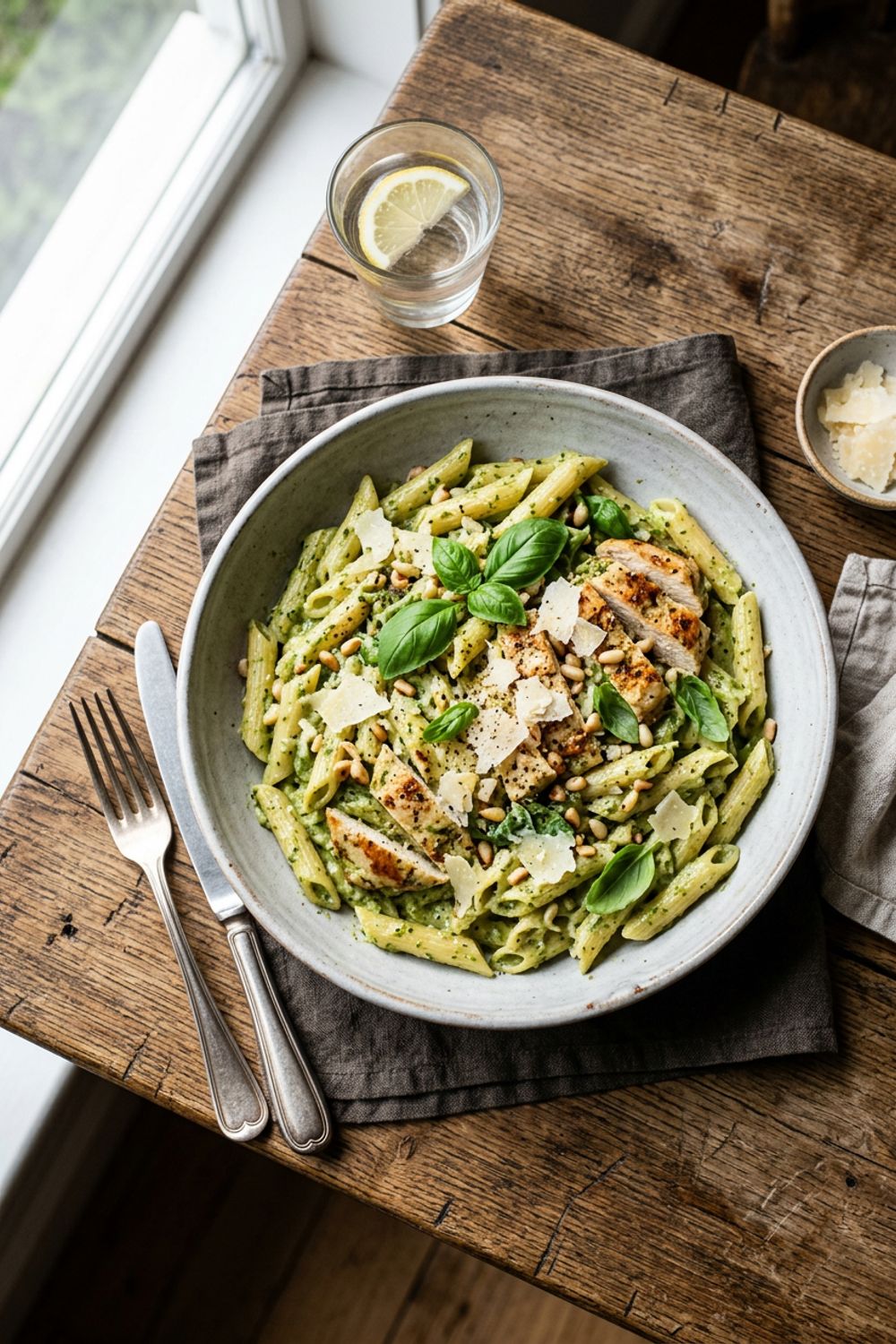
Creamy Pesto Chicken Pasta
Pasta & Noodles
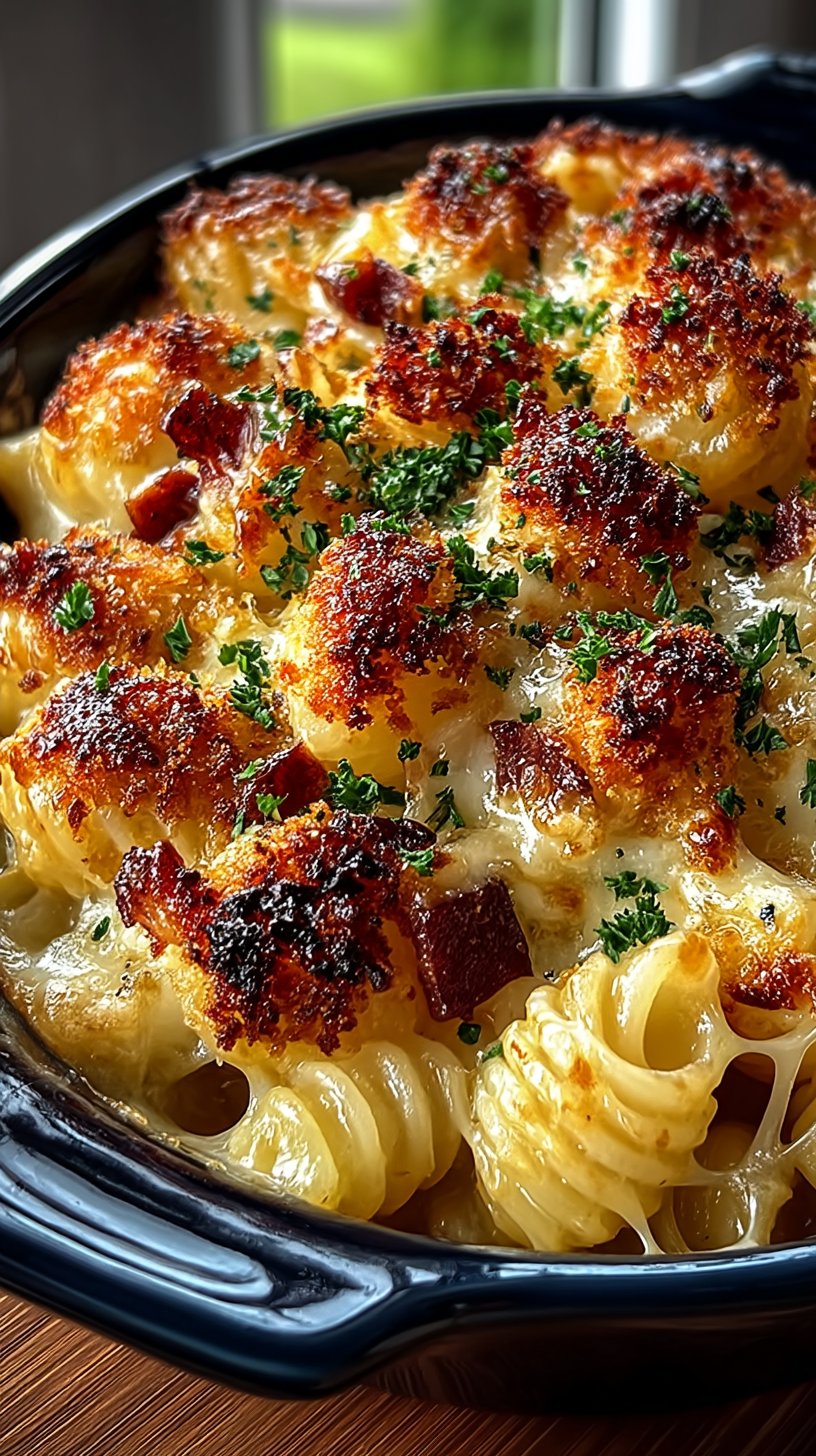
Coquillettes au Jambon - French Macaroni and Cheese with Ham
Pasta & Noodles
Pasta Alla Vodka Recipe: Creamy Tomato Sauce That's Simply Irresistible
Pasta & Noodles