Quick & Easy
Garlic Rosemary Lamb Chops with Lemon Butter
Pan-seared garlic rosemary lamb chops finished with bright lemon butter. Restaurant-quality, ready in 30 minutes. Elegant yet easy weeknight dinner.
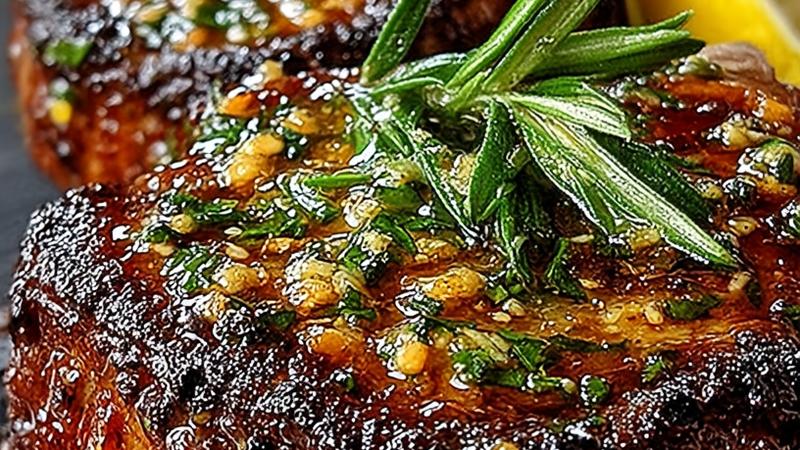
Why I Fell in Love with This Recipe
You know that feeling when you taste something so perfectly balanced that you can’t stop thinking about it? That’s exactly what happened to me the first time I made these garlic rosemary lamb chops. I was in my early twenties, exploring Mediterranean cuisine with everything I had, and I realized that lamb doesn’t have to be intimidating. In fact, some of the easiest, most elegant dishes come from treating lamb with respect and letting its natural flavors shine through.
What makes this recipe so special is how it demonstrates that restaurant-quality doesn’t mean complicated. The magic lies in a few key principles: letting your protein come to room temperature, using a properly heated pan for an excellent crust, and finishing with a bright, buttery sauce that elevates everything. I’ve served these at dinner parties, made them on quiet weeknights, and honestly, they’re my go-to when I want to impress without spending hours in the kitchen.
The combination of rosemary and garlic is deeply aromatic and herbaceous, while the lemon butter adds brightness and richness that makes your taste buds sing. Every element serves a purpose, and together they create something that tastes like you’ve been cooking all day, even though you’ve barely spent thirty minutes in the kitchen.
Understanding Lamb Chops: Types and Selection
Before we dive into cooking, let me share what I’ve learned about selecting the perfect lamb chops. There are several types you might encounter at your butcher or grocery store, and understanding the differences will help you make the best choice for this recipe.
Rib chops are my absolute favorite for this preparation. They’re cut from the rib section and have a single bone with tender meat that cooks quickly and beautifully. They’re naturally elegant and look stunning on the plate. Loin chops are another excellent choice—they’re slightly larger and have a bit more meat, making them perfect if you’re feeding heartier appetites. Shoulder chops are more budget-friendly and slightly fattier, which isn’t a bad thing for flavor, but they benefit from longer, slower cooking methods.
For this quick recipe, I recommend rib or loin chops that are about 1.5 inches thick. Thickness is crucial because it ensures you can develop a proper crust while keeping the inside tender and pink. Look for chops with a nice deep color and marbling throughout—that white veining is fat, and fat equals flavor in lamb.
When selecting lamb, I try to source grass-fed, locally-raised lamb whenever possible. The flavor difference is remarkable. These chops will have a more complex, slightly gamy taste that complements the herbal rosemary and bright lemon beautifully. If you can’t find local lamb, that’s okay—just make sure whatever you choose looks fresh and smells pleasant, not overly ‘lamby’ in that unpleasant way.
Mastering the Perfect Sear: Technique and Temperature
The most important step in this entire recipe is achieving that perfect golden crust on your lamb chops. This Maillard reaction—the scientific process where proteins and sugars in the meat create new flavors and beautiful browning—is what separates good lamb from restaurant-quality lamb. I learned this technique through trial and error, and now I want to share exactly what I’ve discovered.
First, patience with your pan is essential. When you place cold or room-temperature meat into a pan, the temperature drops significantly. If your pan isn’t hot enough, the meat will steam rather than sear, and you’ll lose that gorgeous crust. This is why I recommend heating the pan for at least a full minute after adding oil. You should see the oil shimmer and move easily across the pan surface. If you’re nervous about whether it’s hot enough, hold your hand about 4 inches above the pan—you should feel significant heat.
Once your lamb hits that hot pan, resist the urge to move it around. I know it’s tempting, but those first 3-4 minutes are critical. The meat needs uninterrupted contact with the hot surface to develop that crust. If you’re flipping constantly, you’re breaking up the Maillard reaction before it can happen. Let it sit. Be patient. Trust the process.
One thing that completely changed my cooking was investing in an instant-read meat thermometer. It removes all the guesswork. For lamb, medium-rare is genuinely the sweet spot—it’s tender, juicy, and the pink center is actually safe to eat because of how the heat penetrates the meat. Overcooking lamb turns it tough and loses that beautiful succulence that makes it so special.
The Lemon Butter Sauce: Liquid Gold
Let me be honest with you—the lemon butter sauce is where this dish transcends from ‘good’ to ‘absolutely incredible.’ This is the component that people will ask you about. It’s bright, rich, garlicky, and herbaceous all at once, and it’s remarkably easy to make.
The technique is simple but requires gentleness. You’re not making a traditional sauce with thickening agents or complicated steps. Instead, you’re creating an emulsion of butter, acid, and aromatics that coat your lamb beautifully. The key is using cold butter and not letting it get too hot, which would cause it to break. When butter gets too hot, the fat and milk solids separate, and you lose that silky, luxurious texture.
I always melt the butter over low heat, add my garlic, and cook just until fragrant—about one minute. Then I remove it from heat entirely before adding the lemon juice. This prevents the butter from breaking and keeps your sauce silky. The lemon zest adds complexity beyond just the juice; it contains oils that provide a more authentic lemon flavor.
Fresh parsley is the final flourish. It adds a fresh, slightly peppery note that brightens everything and adds a beautiful pop of green color. If you have other fresh herbs you love—mint, chives, or tarragon—feel free to experiment. The base technique remains the same, and you’ll create something uniquely suited to your palate.
One pro tip I’ve discovered: make your lemon butter just before you plate everything. This way, it’s warm and glossy when it hits the lamb, and the butter melts into all the nooks and crannies. If it sits too long, it’ll start to solidify, and you lose that luxurious mouthfeel.
Serving Suggestions and Pairing Ideas
Plating this dish is genuinely fun because the components are so beautiful naturally. I arrange my lamb chops on the plate with plenty of space—you want them to be the star, not cramped together. Then I drizzle that gorgeous lemon butter sauce generously over and around them, making sure some pools on the plate.
For sides, I think about balance. Lamb is relatively rich, so I want something bright and fresh to accompany it. A simple green salad with a light lemon vinaigrette is absolutely perfect. The acidity mirrors the sauce and cleanses your palate between bites. Roasted potatoes are wonderful too—they soak up that lemon butter beautifully and provide substance to the meal.
One of my favorite combinations is serving these alongside creamed spinach or sautéed green beans with garlic. The earthiness of the greens complements the herbal lamb perfectly. For something starchy, I love crispy roasted fingerling potatoes tossed with a little more rosemary and sea salt.
For drinks, I’m that person who loves pairing wine with food. A medium-bodied red wine like Pinot Noir or a nice Côtes du Rhône is absolutely phenomenal with these lamb chops. The tannins cut through the richness of the butter, and the fruit complements the garlic and rosemary. If you prefer white wine, a crisp Sauvignon Blanc or a mineral-driven Vermentino works beautifully.
Bread is non-negotiable in my kitchen. I always have crusty bread on the table, because honestly, that lemon butter sauce deserves to be soaked up with something. Focaccia, sourdough, or a simple ciabatta all work wonderfully.
Storage, Leftovers, and Make-Ahead Tips
While these lamb chops are truly best enjoyed fresh and hot off the pan, I understand that sometimes you have leftovers or want to plan ahead. Let me share what I’ve learned about making this recipe work with real life.
Cooked lamb chops can be stored in an airtight container in the refrigerator for up to 3 days. However, I’ll be honest—lamb is best served immediately. Reheating it can make it a bit dry if you’re not careful. If you do have leftovers, gently reheat them in a low oven (300°F/150°C) covered with foil for about 10 minutes, just until warmed through.
The lemon butter sauce is another story. This actually improves slightly with time as the flavors meld. Make it up to 2 days ahead and store it in the refrigerator in a covered container. When you’re ready to serve, gently reheat it over low heat, stirring frequently until it’s warmed through and silky again. Don’t let it boil.
As for prepping ahead, you can marinate your lamb in the garlic-rosemary mixture up to 4 hours before cooking. This actually allows more flavor penetration. Just keep it covered in the refrigerator and remove it 15 minutes before cooking so it can come to room temperature.
Leftover lamb chops are delicious shredded and tucked into salads, or layered into a Mediterranean grain bowl with feta, roasted vegetables, and a tahini dressing. I’ve even made a wonderful lamb sandwich by placing the chopped meat on crusty bread with the lemon butter drizzled over and some fresh greens. Nothing goes to waste, and everything tastes incredible.
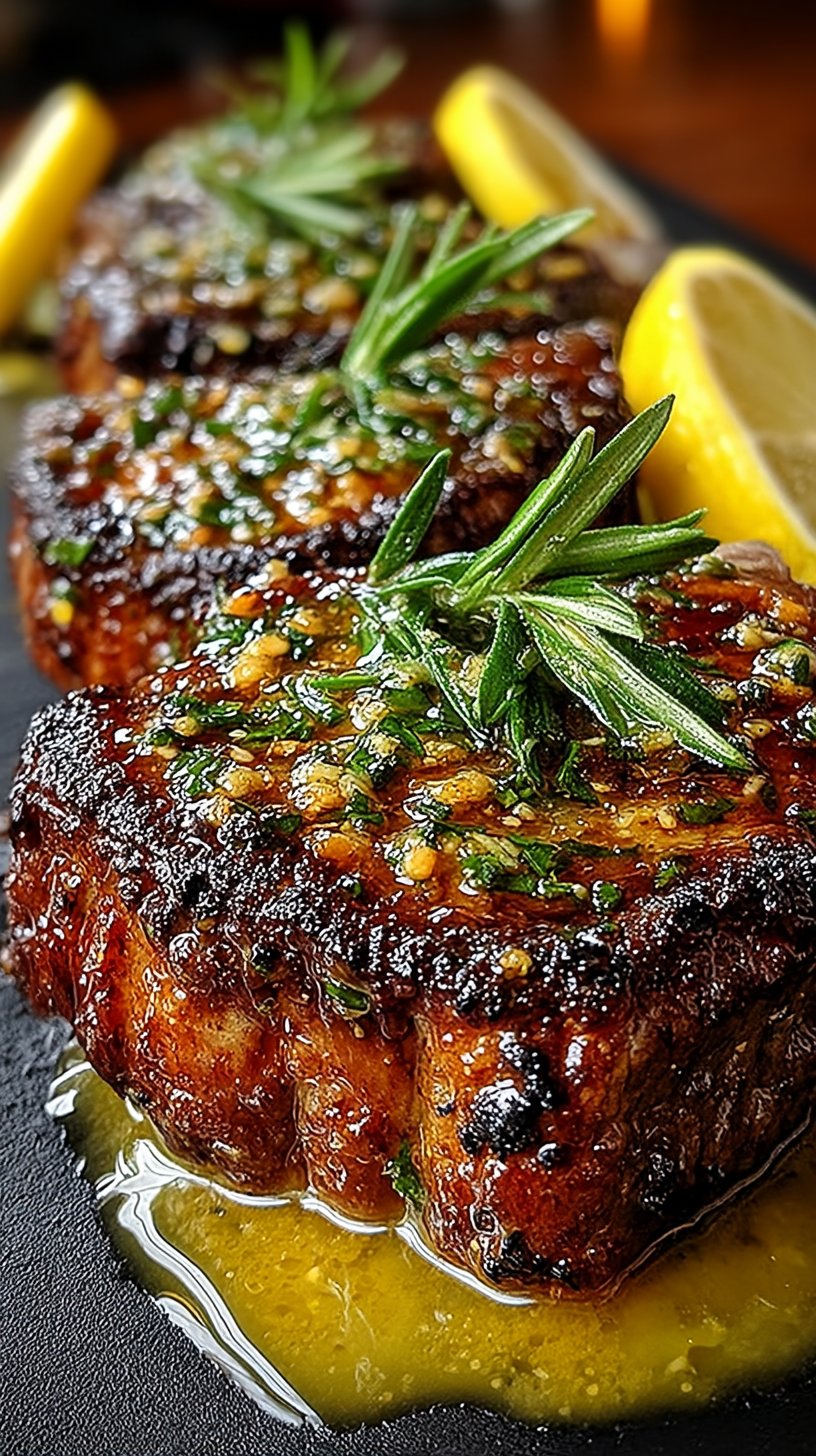
Ingredients
For the Lamb Chops
For the Lemon Butter
Optional Garnish
Instructions
Prepare Your Lamb Chops
Remove your lamb chops from the refrigerator about 15 minutes before cooking. This allows them to come to room temperature, ensuring even cooking throughout. Pat them completely dry with paper towels—this is crucial for achieving that beautiful golden crust we're after. In a small bowl, combine the minced garlic, fresh rosemary, sea salt, black pepper, and red pepper flakes if using. This aromatic mixture is going to be the flavor foundation of our dish.
Season the Lamb
Generously rub both sides of each lamb chop with the garlic-rosemary mixture, pressing gently so it adheres well. Don't be shy here—this is where all our flavor comes from. Let the seasoned chops sit for a few minutes while you prepare your pan. This brief resting period allows the aromatics to really penetrate the meat.
Heat Your Pan
Place a large stainless steel or cast-iron skillet over medium-high heat. Once it's hot, add the olive oil and let it shimmer for about a minute. You want that pan absolutely screaming hot—this creates the gorgeous caramelization that makes restaurant-quality lamb chops so irresistible. If you're not comfortable with high heat, medium-high works too; just extend the cooking time by a minute or two.
Sear the Lamb Chops
Carefully lay your lamb chops in the hot pan—you should hear a satisfying sizzle. Don't move them around; let them sit undisturbed for 3-4 minutes on the first side. This is how we develop that beautiful golden crust. Flip each chop and cook for another 3-4 minutes on the second side for medium-rare doneness. If you prefer medium or well-done, add an extra minute per side. The internal temperature should reach 130°F (54°C) for medium-rare when measured with an instant-read thermometer at the thickest point.
Make the Lemon Butter
While the lamb is cooking, prepare your lemon butter. In a small saucepan over low heat, melt the butter gently. Add the minced garlic and cook for about 1 minute until fragrant, being careful not to brown it. Remove from heat and stir in the lemon zest, fresh lemon juice, chopped parsley, salt, and pepper. This bright, buttery sauce is the perfect finishing touch that ties everything together beautifully.
Rest and Plate
Transfer your cooked lamb chops to a warm plate and let them rest for 3-4 minutes. This crucial step allows the juices to redistribute throughout the meat, keeping it incredibly tender and juicy. During this resting time, the carryover cooking will bring the temperature up slightly, ensuring perfect doneness.
Finish with Lemon Butter and Serve
Arrange your rested lamb chops on serving plates and generously drizzle with the warm lemon butter sauce. Garnish with fresh rosemary sprigs, a squeeze of fresh lemon juice, and a pinch of fleur de sel if you have it. Serve immediately while everything is warm and the butter is gloriously glossy. I love serving this alongside roasted potatoes, a simple green salad, or some crusty bread to soak up every last drop of that incredible sauce.
Nutrition Information
Per serving (serves 4). Values are approximate.
| Calories | 385 calories |
| Total Fat | 24g |
| Saturated Fat | 11g |
| Carbohydrates | 4g |
| Sugar | 1g |
| Protein | 42g |
| Sodium | 480mg |
| Fiber | 0g |
* Percent Daily Values are based on a 2,000 calorie diet. Your daily values may be higher or lower depending on your calorie needs. Nutritional information is an estimate and may vary.
Never Miss a Recipe
Join 5,000+ home cooks and get new recipes straight to your inbox.
Frequently Asked Questions
Can I use frozen lamb chops?
Absolutely! Just make sure to thaw them completely in the refrigerator before cooking. Pat them extra dry when you're ready to cook, as frozen lamb releases more moisture. The cooking time remains the same once they're thawed and at room temperature.
What's the best way to know when lamb chops are done?
I always use an instant-read meat thermometer for accuracy. Aim for 130°F (54°C) for medium-rare, which is my preferred doneness for lamb—it keeps the meat tender and juicy. For medium, go to 135-140°F (57-60°C). Remember that the temperature will rise about 5 degrees while resting, so remove them from heat a few degrees before your target temperature.
Can I make this recipe ahead of time?
The lemon butter can be made up to 2 days ahead and stored in an airtight container in the refrigerator. Simply reheat gently before serving. However, I recommend cooking the lamb chops fresh, as they're best enjoyed immediately after cooking. The entire recipe takes only 30 minutes, making it perfect for last-minute entertaining.
What sides pair well with garlic rosemary lamb chops?
I love serving these with roasted fingerling potatoes tossed in olive oil and thyme, a fresh arugula salad with a light vinaigrette, or creamy mashed potatoes. Grilled asparagus or roasted Brussels sprouts also complement the lamb beautifully. Crusty bread is essential for soaking up every bit of that lemon butter sauce!
Can I adjust the rosemary and garlic amounts?
Definitely! Both rosemary and garlic are quite flexible ingredients. If you love them, increase to 3 tablespoons fresh rosemary and 5-6 cloves garlic. If you prefer more subtle flavors, reduce to 1 tablespoon rosemary and 2-3 cloves garlic. Fresh rosemary is always preferable to dried, but in a pinch, use about one-third the amount of dried rosemary since it's more concentrated.

Hi, I'm Lisa!
I create simple, tested recipes from around the world that anyone can make at home.
Learn More →Reader Reviews
Based on 402 reviews