Chicken & Poultry
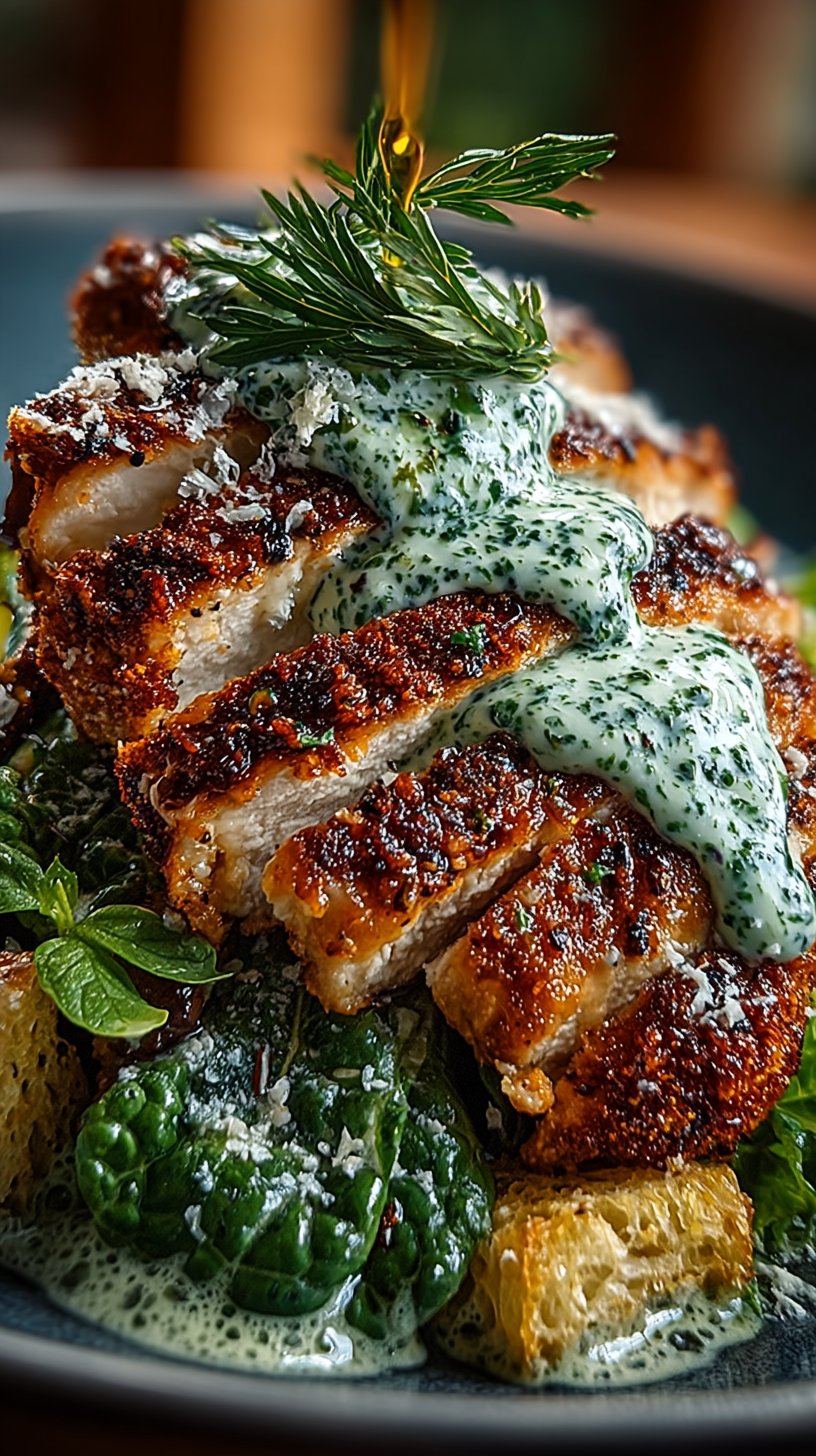
The Unbelievably Delicious Chicken I Make Once a Week
My go-to weekly chicken recipe with crispy skin and incredibly juicy meat. Simple technique, restaurant-quality results every time.
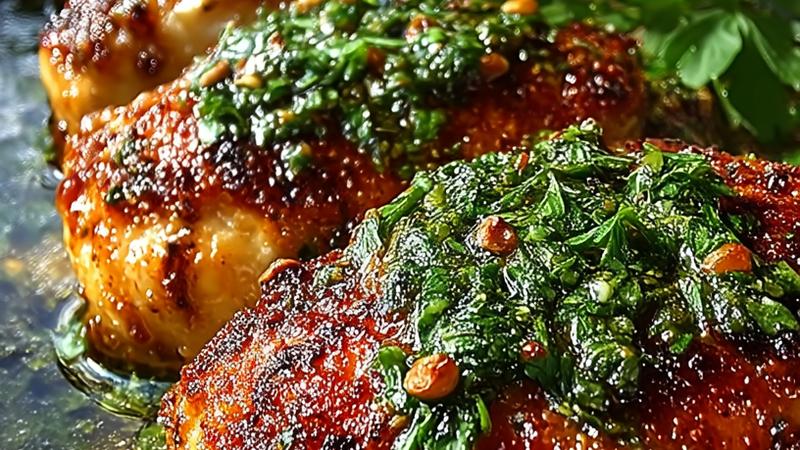
Why This Chicken Recipe Became My Weekly Ritual
Let me be completely honest with you—I make this chicken at least once a week, and I’ve been doing it for over three years now. When I first discovered this combination of flavors and technique, I thought it was a fluke. But after making it dozens and dozens of times, I’ve realized it’s genuinely foolproof and consistently produces the most unbelievably delicious chicken every single time. The secret isn’t some fancy ingredient or complicated method; it’s understanding a few key principles about cooking chicken and then executing them with intention. My family, my friends, even my skeptical coworker who claims he doesn’t like chicken dinner leftovers—they’ve all asked for this recipe. I’m sharing it with you today because I genuinely believe it deserves to be in your regular rotation too. There’s something magical about having a recipe you can make with your eyes closed, yet it always impresses everyone at the table.
The Secret Ingredients That Make It Unbelievably Delicious
I’ve learned through years of cooking around the world that some ingredient combinations are just timeless. The balsamic vinegar is honestly the MVP of this recipe—it’s what makes people tilt their head and ask, ‘What IS that amazing flavor?’ Balsamic adds a subtle sweetness and depth that regular vinegar just can’t match. Then there’s the combination of smoked paprika with fresh lemon juice. The smoke plays against the brightness of the citrus, creating this complex flavor profile that feels restaurant-quality but tastes completely homemade and approachable. The dried oregano and thyme are Mediterranean classics that make sense here, but they’re grounded by the warm, slightly sweet notes of garlic powder and the earthiness of fresh minced garlic. When you layer all these flavors together, they don’t compete—they harmonize. This is what separates ‘chicken for dinner’ from ‘unbelievably delicious chicken.’ After my travels through Greece, Southern Spain, and Italy, I realized that the best home cooking often involves understanding how to layer complementary flavors rather than chasing exotic techniques.
The Technique That Changes Everything
If I had to pick one technique that’s non-negotiable for this recipe, it’s the initial searing. I’m talking about getting that pan hot enough that the skin makes a confident sizzle when it hits the surface, then leaving the chicken completely undisturbed for 5-6 minutes. I know it’s tempting to move things around—I used to be guilty of this myself. But trust me, those 5-6 minutes of uninterrupted searing is what creates the crispy, golden, almost-caramelized skin that makes people say, ‘Wow, this is restaurant quality!’ The Maillard reaction (that’s the chemical browning process) needs time and heat to work its magic. Once you experience what properly seared chicken skin tastes and feels like, you’ll never go back. The second crucial technique is the resting period after cooking. Just five minutes might seem short, but it allows the muscle fibers to relax and reabsorb the juices. This is the difference between chicken that’s technically done but a little dry, and chicken that’s incredibly moist and tender. These two things—proper searing and proper resting—are honestly more important than any ingredient.
Variations I Love and Why They Work
While this recipe is perfect as-is, I’ve played around with quite a few variations depending on my mood and what’s in my pantry. Sometimes I replace half the olive oil with walnut oil for a nuttier undertone, or I add a teaspoon of Dijon mustard to the marinade for extra complexity. During summer, I sometimes add fresh basil to the final plating instead of parsley, and it transforms the dish into something that feels more Mediterranean. If I’m feeling adventurous, I’ve added a pinch of red pepper flakes to the marinade for subtle heat. Once I even added a tablespoon of honey to balance the acidity, and it created this beautiful glaze. The beauty of this foundation is that it’s flexible enough to accommodate your preferences while remaining fundamentally unbelievably delicious. I’ve even made it with a splash of white wine added to the pan sauce instead of using the full marinade amount, which creates a lighter, more refined sauce that’s perfect for fancier dinners. The key with any variation is to maintain the balance—keep your acid, keep your fat, keep your aromatics, and you’ll be fine.
What to Serve Alongside This Chicken
The pan sauce that develops during cooking is truly the star, so I like to serve this chicken with sides that complement rather than compete with it. Roasted vegetables are my go-to because they absorb those flavors beautifully. Brussels sprouts with a little salt and pepper, asparagus, or even simple roasted potatoes all work wonderfully. I also love serving it with a fresh, simple salad dressed with lemon vinaigrette—the acidity echoes the chicken’s flavors and keeps the meal feeling balanced and not too heavy. If you want something more substantial, crusty bread is essential for soaking up every last drop of that pan sauce. Honestly, I’ve served this chicken alongside pasta, rice, couscous, and even polenta, and it’s been incredible with all of them. What matters most is leaving room on the plate to capture some of that sauce. That’s the unsung hero of this entire dish. Sometimes I’ll even serve it with a simple arugula salad tossed in the warm pan sauce for the final touch—the slight wilting of the greens and the warmth of the sauce creates something really special.
Why This Recipe Changed My Weekly Cooking
Before I discovered this method and flavor combination, my weekly chicken dinners felt repetitive and uninspired. I’d make the same few recipes, and while they were fine, they weren’t exciting. Then I started experimenting more seriously with Mediterranean flavors and proper searing techniques, and suddenly chicken became my favorite thing to cook. What makes this recipe so special to me is that it hits every mark: it’s simple enough that I can make it on a Tuesday night after work, it’s elegant enough to serve to guests, it uses ingredients I almost always have on hand, and it never—and I mean never—disappoints. The fact that my family requests it specifically, that my friends have asked for the recipe multiple times, that I’ve made it probably 150+ times and still look forward to making it again—that tells you everything you need to know. This is a recipe that will become a staple in your kitchen too. It’s the kind of dish that feels like a special treat even though you could make it in your sleep. I genuinely cannot recommend it highly enough. Once you make this unbelievably delicious chicken for the first time, you’ll understand why it’s earned its permanent place in my weekly cooking rotation.
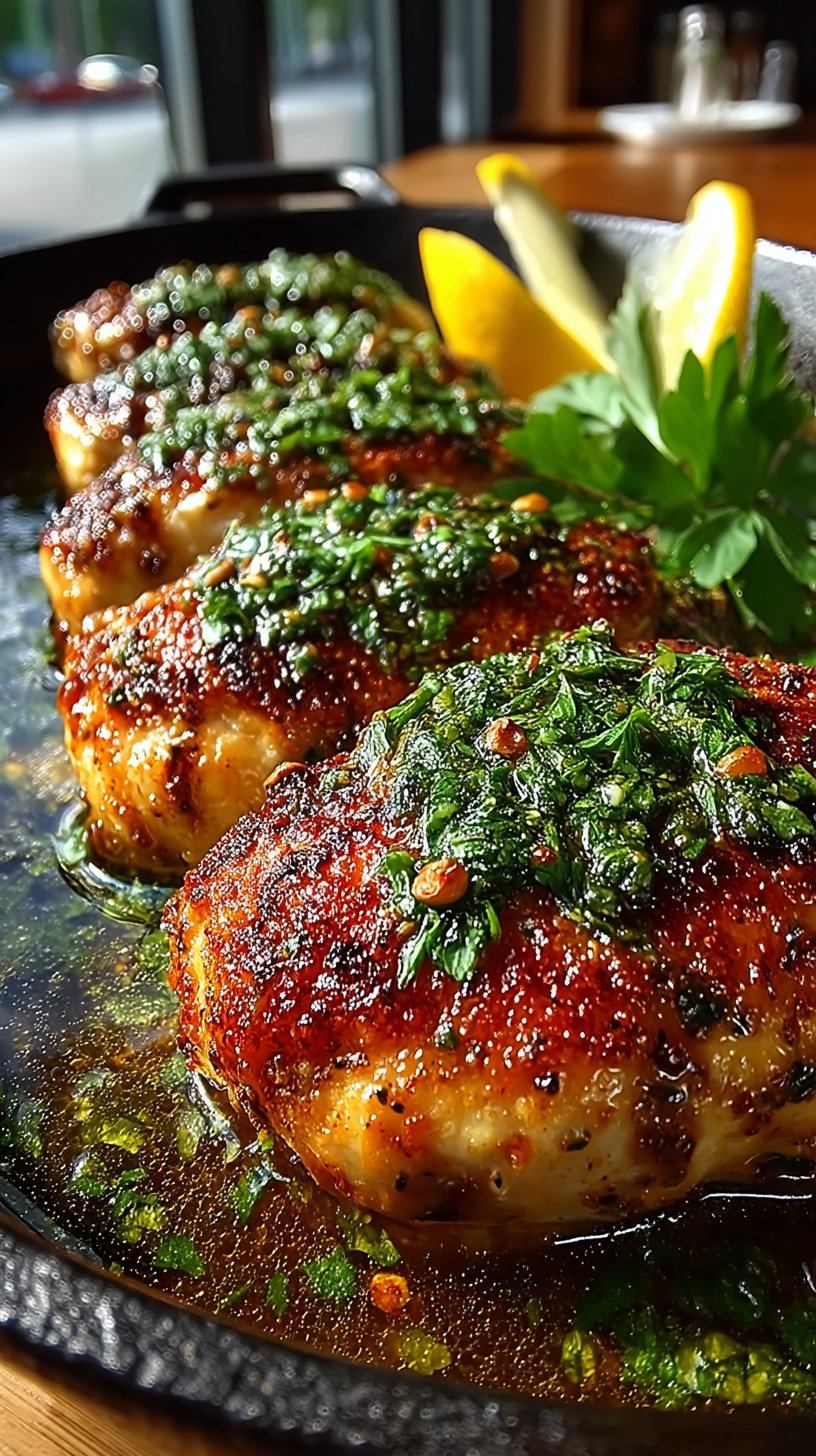
Ingredients
Main
For Serving
Instructions
Pat and Prepare Your Chicken
I always start by patting my chicken breasts completely dry with paper towels. This is honestly the secret to that crispy, golden skin everyone raves about. Don't skip this step! Once they're dry, I place them on a cutting board and season generously with sea salt and freshly cracked black pepper on both sides. Let them sit at room temperature for about 10 minutes while you prepare your marinade. This allows the seasoning to really penetrate the meat and makes a huge difference in the final flavor.
Create the Magic Marinade
In a small bowl, I whisk together the olive oil, minced garlic, fresh lemon juice, and balsamic vinegar. Then I add the smoked paprika, dried thyme, dried oregano, and garlic powder. I stir it all together until the dried herbs are well distributed throughout the oil. The balsamic vinegar is my secret ingredient—it adds this deep, subtle sweetness and richness that makes people always ask what I put in it. The combination of these flavors is what keeps my family asking me to make this chicken every single week.
Marinate with Purpose
I place the seasoned chicken breasts in a large shallow dish or a gallon-size zip-top bag and pour the marinade over them, making sure both sides are well coated. I massage the marinade into the meat gently, working it under the skin where I can. If you're using a bag, squeeze out as much air as possible. Let this marinate for at least 20 minutes at room temperature, or up to 4 hours in the refrigerator if you're planning ahead. I usually do this step while I'm prepping my vegetables or tidying up the kitchen. The longer the marinade sits, the more flavorful your chicken becomes.
Heat Your Pan Properly
This is crucial—I heat a large cast-iron skillet or oven-safe stainless steel pan over medium-high heat for about 3 minutes. You want it nice and hot, but not so hot that the oil smokes excessively. I use medium-high rather than high because I want the skin to crisp up gradually while the inside cooks through evenly. A properly heated pan is what separates good chicken from unbelievably delicious chicken. I test the temperature by flicking a tiny drop of water onto the surface—it should sizzle immediately.
Sear Skin-Side Down First
I carefully remove the chicken from the marinade, letting excess liquid drip back into the bowl, then place the breasts skin-side down in the hot pan. Don't move them around! I let them sear undisturbed for 5-6 minutes until the skin turns a beautiful golden brown. This is the magic moment where the skin crisps up and creates that textural contrast that makes this chicken so special. While the skin is searing, I reserve the remaining marinade in a small bowl—we'll use it in the next step.
Flip, Pour, and Finish in the Oven
After those 5-6 minutes of skin-side-down searing, I flip the chicken breasts over carefully and sear the other side for 2-3 minutes until lightly browned. Then I pour the reserved marinade into the pan around (not over) the chicken. I transfer the entire skillet to a preheated 375°F (190°C) oven and bake for 15-18 minutes, depending on the thickness of your breasts. The chicken is done when a meat thermometer inserted into the thickest part reads 165°F (74°C). The residual marinade in the pan becomes this beautiful, glossy sauce that you'll want to drizzle over everything.
Rest and Finish with Fresh Herbs
Once the chicken is cooked through, I remove the skillet from the oven and let the chicken rest in the pan for 5 minutes. This resting period is essential—it allows the juices to redistribute throughout the meat, ensuring every bite is incredibly moist and tender. After resting, I transfer the chicken to a serving platter and spoon the pan sauce over the top. I finish everything with a generous handful of fresh chopped parsley and serve with lemon wedges on the side. The brightness of the fresh herbs and lemon juice balances all those warm, savory flavors beautifully.
Serve and Enjoy
I like to serve this chicken with roasted vegetables like Brussels sprouts or asparagus, or alongside some crusty bread to soak up that incredible pan sauce. It's equally delicious served warm, at room temperature, or even cold the next day (though I'll be honest, there's rarely any left over). This is the chicken that's earned its spot in my weekly rotation—it's simple enough for a weeknight dinner, elegant enough for entertaining, and absolutely unbelievably delicious every single time I make it.
Nutrition Information
Per serving (serves 4). Values are approximate.
| Calories | 385 calories |
| Total Fat | 18g |
| Saturated Fat | 4g |
| Carbohydrates | 8g |
| Sugar | 2g |
| Protein | 48g |
| Sodium | 480mg |
| Fiber | 0g |
* Percent Daily Values are based on a 2,000 calorie diet. Your daily values may be higher or lower depending on your calorie needs. Nutritional information is an estimate and may vary.
Never Miss a Recipe
Join 5,000+ home cooks and get new recipes straight to your inbox.
Frequently Asked Questions
Can I use chicken thighs instead of breasts?
Absolutely! I actually love making this with bone-in, skin-on chicken thighs because they're more forgiving and stay incredibly juicy. You'll want to increase the baking time to about 20-25 minutes and check that the internal temperature reaches 165°F (74°C) at the thickest part near the bone. Thighs have more fat content, so they'll produce an even richer pan sauce. Honestly, if you prefer dark meat, I'd actually recommend going this route.
How far in advance can I marinate the chicken?
I typically marinate for 20 minutes at room temperature for a quick dinner, but you can marinate for up to 4 hours in the refrigerator for deeper flavor. If marinating longer than an hour, make sure to remove the chicken from the fridge about 15-20 minutes before cooking so it comes closer to room temperature. This helps ensure even cooking throughout. I wouldn't recommend marinating beyond 6 hours though, as the acid in the lemon juice and vinegar can start to break down the proteins too much and change the texture.
What should I do if my pan isn't oven-safe?
If you don't have an oven-safe skillet, no problem! After searing both sides and pouring in the marinade, you can transfer the chicken to a baking dish, pour the pan sauce over it, and bake in a preheated 375°F (190°C) oven for 15-18 minutes. It won't have quite the same final seared texture, but it will still be absolutely delicious. Just make sure to let that pan sauce reduce on the stovetop for a minute or two before transferring to concentrate the flavors.
Can I prep this recipe ahead for meal prep?
Yes! I love doing the marinade step in the morning, then cooking it when I get home. You can marinate for up to 4 hours in the refrigerator. You can also cook the chicken completely and store it in an airtight container in the fridge for up to 4 days. Reheat gently in a 300°F (150°C) oven for about 10 minutes, covered with foil, to avoid drying it out. The cold chicken also makes amazing chicken salad or sandwiches the next day.
What wine pairs well with this chicken?
I usually reach for a light to medium-bodied white wine like Pinot Grigio or Sauvignon Blanc, which complements the lemon and herb flavors beautifully. If you prefer red, a lighter Pinot Noir works wonderfully. The balsamic notes in the sauce pair surprisingly well with both white and light red wines. If you're cooking with wine, you could also deglaze the pan with a splash of white wine instead of using all the marinade—it creates an even more sophisticated sauce.

Hi, I'm Lisa!
I create simple, tested recipes from around the world that anyone can make at home.
Learn More →Reader Reviews
Based on 368 reviews
Leave a Review
You Might Also Like
Chicken & Poultry
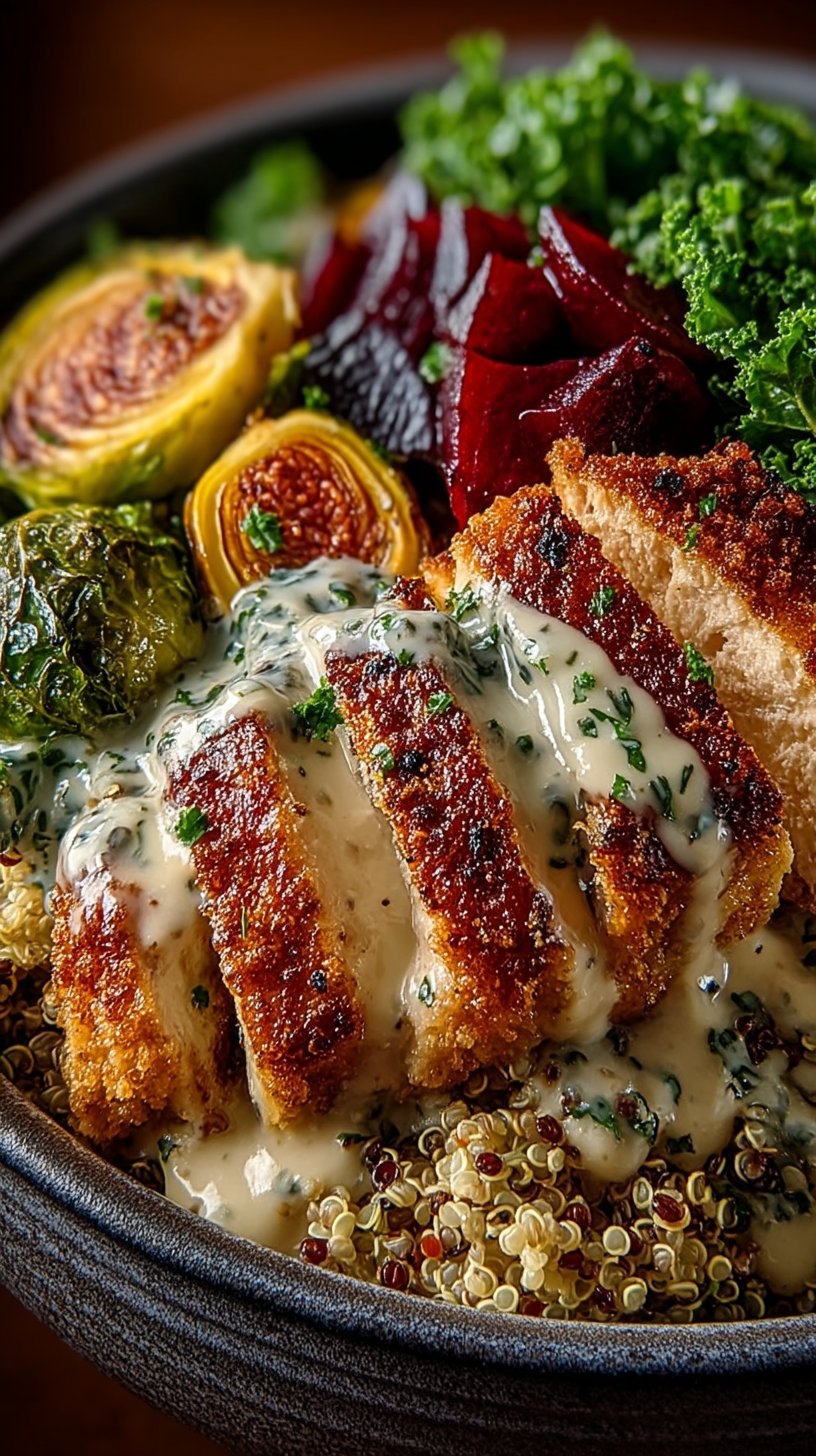
Chicken Harvest Bowl Recipe (Sweetgreen Copycat)

Chicken & Poultry
My Tuxedo Cake Rivals the Costco Version
Chicken & Poultry
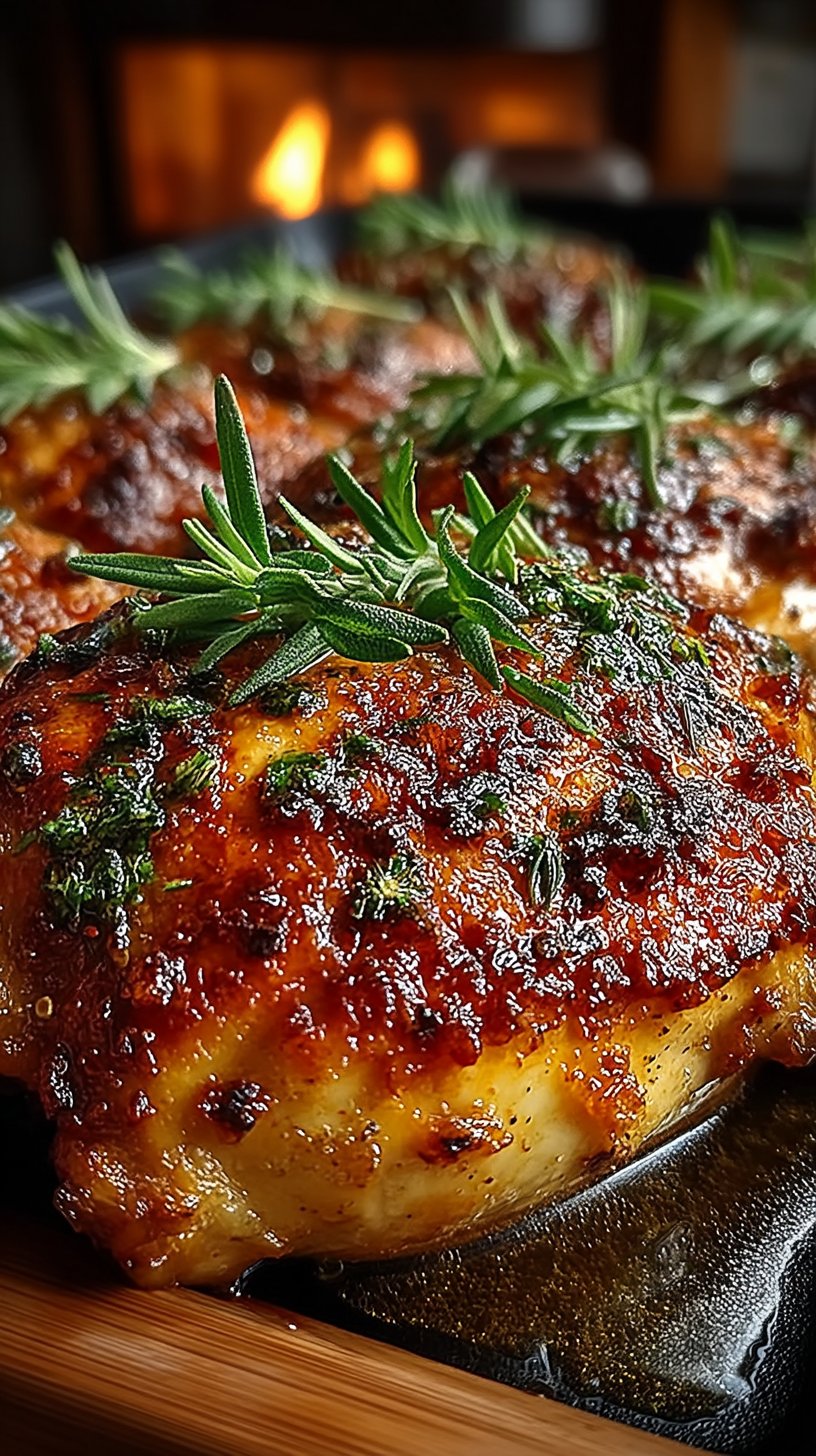
Buttermilk Whole Roasted Chicken Recipe
Chicken & Poultry