Soups & Comfort Food
Cheese Soufflé
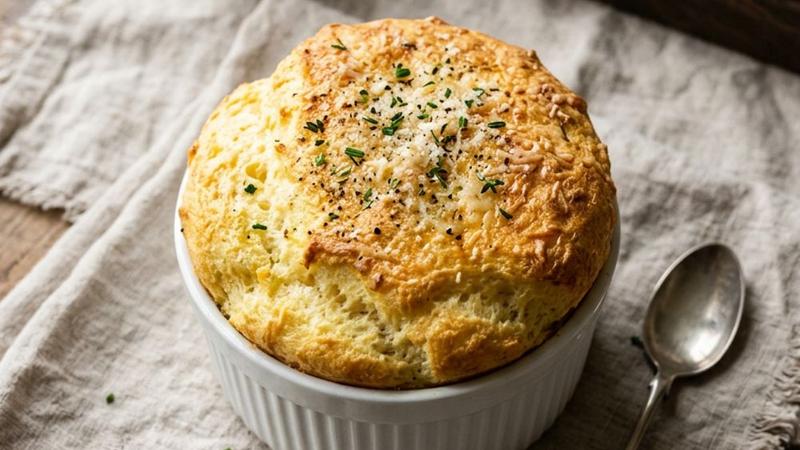
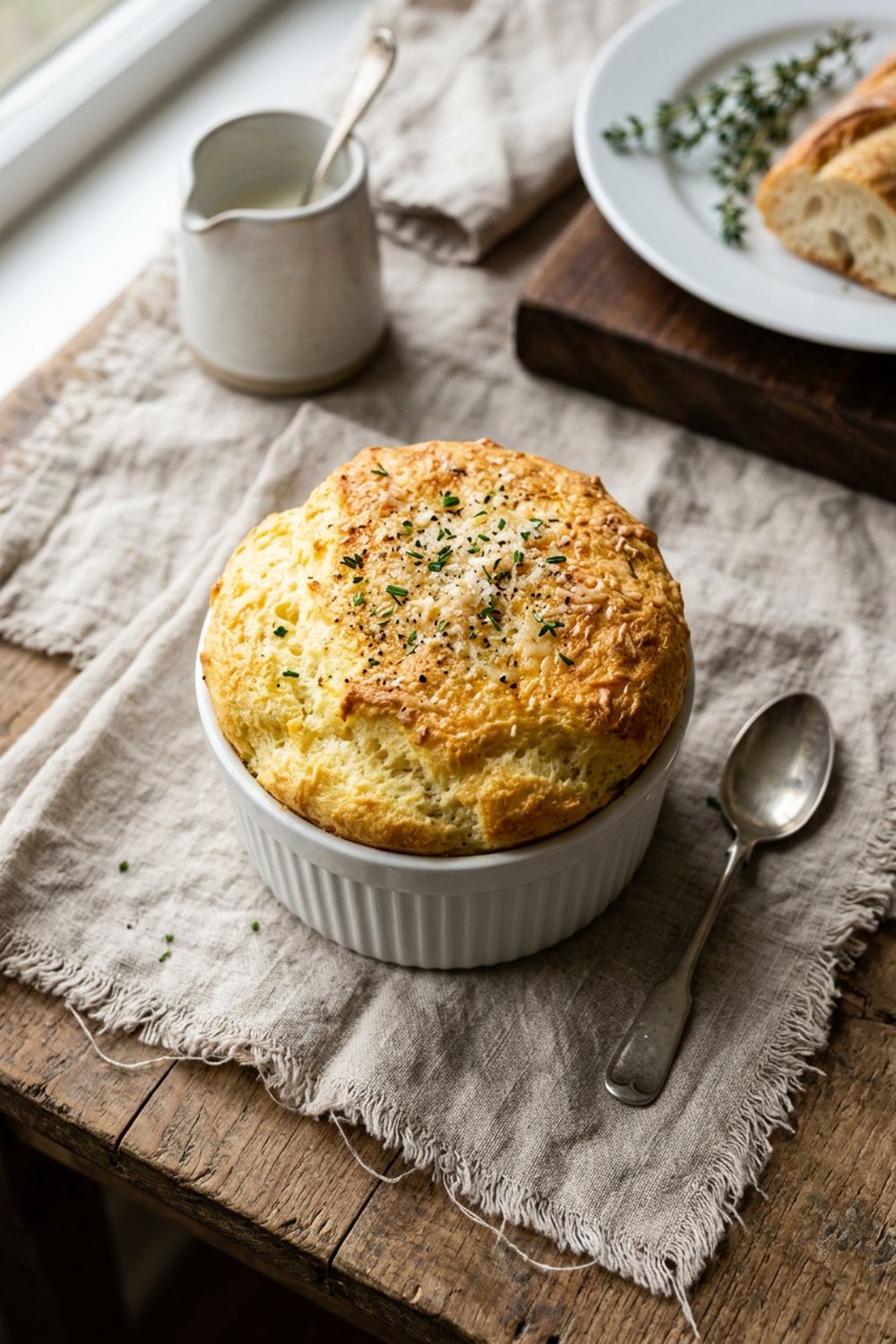
A classic French cheese soufflé with Gruyère and Parmesan — tall, golden, and impossibly light. Master this elegant dish with my foolproof method.
Why This Cheese Souffle Is Special
Here is one of cooking’s best-kept secrets: a souffle is not nearly as difficult as its reputation suggests. Yes, it is dramatic and time-sensitive. But the actual technique is a bechamel, some cheese, and well-whipped egg whites. If you can make a white sauce and operate a hand mixer, you can make a souffle.
I fell in love with the cheese souffle during a trip to Paris, at a tiny bistro in the Marais. It arrived puffed to towering heights, golden and trembling. When I broke through the crust, a cloud of hot, cheesy air rushed out. It was rich without being heavy, intensely cheesy but somehow delicate. I spent the next three months recreating it at home.
What I learned through many batches is that a souffle is about understanding two things: the egg whites and the oven. The Gruyere and Parmesan combination gives you the classic French flavor — nutty, sharp, and deeply savory. The Dijon mustard adds a subtle bite, and a touch of cayenne and nutmeg round out the seasoning without complication.
Understanding the Bechamel Base
Every great souffle starts with a proper bechamel — this thick white sauce provides the structural backbone. Without it, your souffle would be all air and no substance, collapsing the moment it left the oven.
Melt butter over medium heat, whisk in flour, and cook continuously for at least one minute to eliminate the raw flour taste. The warm milk goes in gradually — about a quarter cup at a time, whisking vigorously after each addition. This prevents lumps. The finished bechamel should be noticeably thick; when you drag a spoon through it, the trail should hold for a few seconds. This thickness is intentional because the whipped whites thin it considerably during folding.
Add cheese while the bechamel is still hot for smooth melting, then let it cool a few minutes before adding egg yolks. Adding yolks to a screaming hot mixture will scramble them.
The Science of Whipping Egg Whites
Egg whites are the engine driving a souffle skyward. When you whip them, you force air into the protein structure. Those proteins unfold and stretch around air bubbles, creating a foam that expands dramatically in the oven’s heat. Steam inside the bubbles pushes the souffle upward, and the protein network sets to hold the structure.
I use five whites for four yolks — the extra white provides more lift and a taller, lighter result. Cream of tartar stabilizes the foam by strengthening protein bonds, giving you a bigger margin for error. The bowl must be completely clean and free of any fat, including egg yolk. Even a tiny drop prevents the whites from whipping properly. I wipe my bowl with vinegar-dampened paper towel as insurance.
Start on medium speed for a uniform foam, then increase to medium-high for stiff peaks. They should stand straight up when the beater lifts but still look glossy. If they look grainy or dry, you have gone too far.
Tips for a Perfect Rise
Prepare ramekins properly. Butter in upward strokes from bottom to rim — this creates vertical tracks that guide the souffle upward. The Parmesan dusting provides tiny grooves for the mixture to grip as it rises.
Create the top hat groove. Run your thumb around the inside rim of each filled ramekin. The center rises above this groove, creating the classic flat-topped shape.
Do not open the oven. Opening the door drops temperature 25-50 degrees instantly, which can cause collapse. Use the oven light. The souffle is done when it has risen about two inches above the rim, the top is golden, and it jiggles only slightly when the rack is gently nudged.
Position the rack in the lower third. More direct heat on the bottom sets the base and pushes the rise upward. Too high and the top browns before the center sets.
Fold, do not stir. Sacrifice one-third of the whites by stirring them vigorously into the base to lighten it. The remaining whites get folded gently — down, across, up, and over. Rotate the bowl a quarter turn after each fold. Stop the moment white streaks disappear. A few small lumps are infinitely better than a deflated mixture.
Variations to Try
Blue Cheese and Walnut. Replace Gruyere with 4 oz crumbled Roquefort (reduce salt). Fold in 2 tablespoons chopped toasted walnuts before filling ramekins. Pairs beautifully with a pear and arugula salad.
Goat Cheese and Herb. Substitute soft goat cheese for Gruyere. Add 1 tablespoon each of chopped fresh thyme and chives to the base. Lighter and more herbaceous — wonderful for spring.
Cheddar and Mustard. Use sharp aged cheddar and increase Dijon to a full tablespoon. Add a teaspoon of Worcestershire. Pub-style souffle that pairs brilliantly with a green salad.
Twice-Baked Souffle. Bake as directed, let cool, and unmold onto a baking dish. When ready to serve, pour cream over each one and bake at 400°F for 12 minutes. Less dramatic but far more practical for dinner parties.
How to Store
Souffles are best served immediately and cannot be stored in their risen state. However, the bechamel and cheese base can be made up to 24 hours ahead — refrigerate with plastic wrap pressed against the surface. Bring to room temperature and stir before adding yolks.
Leftover deflated souffle can be reheated as a twice-baked version — place in a baking dish, add a splash of cream, and bake at 375°F for 10-12 minutes. The texture becomes more like a rich, custardy cheese dish. Many French bistros serve twice-baked souffles as a starter.
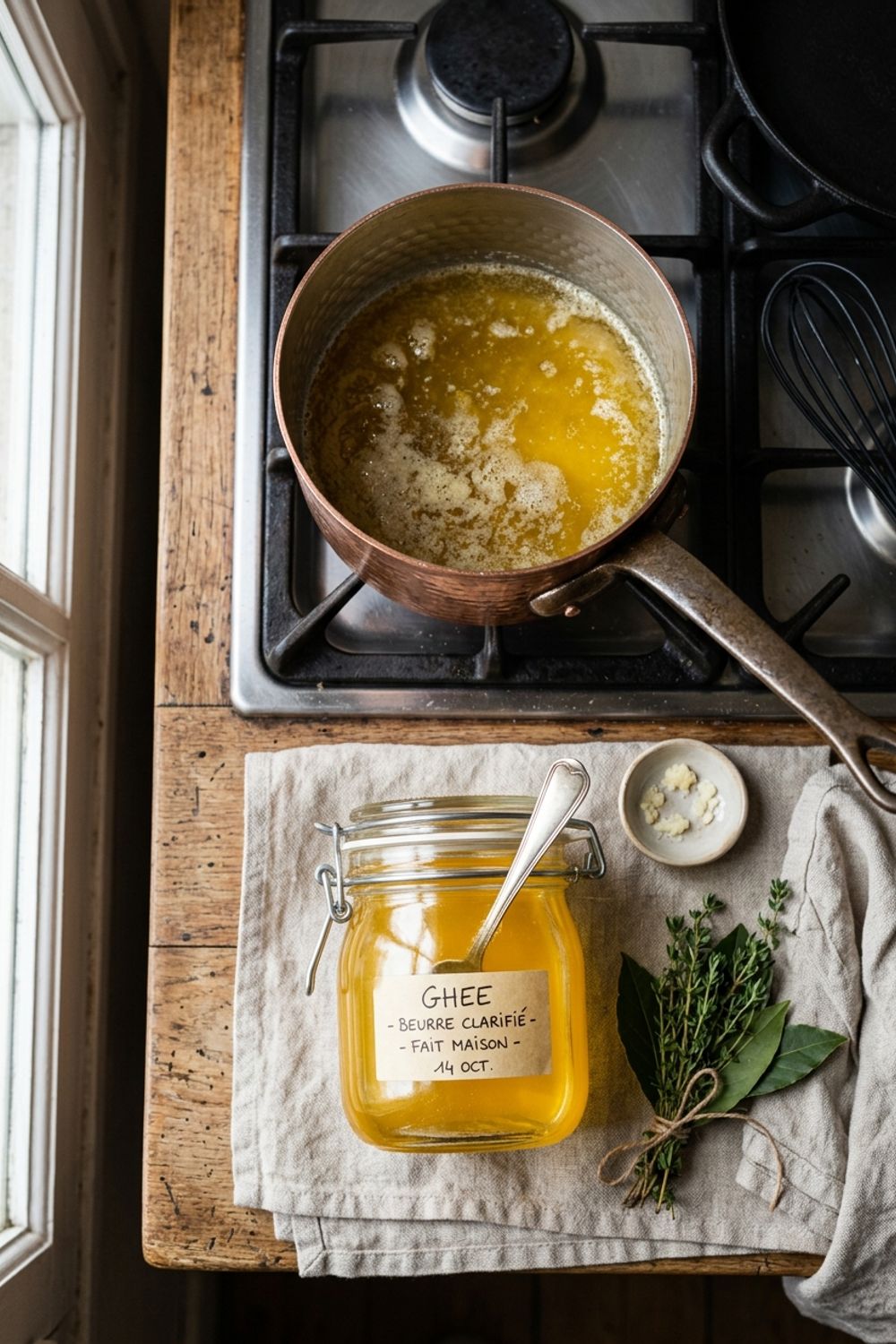
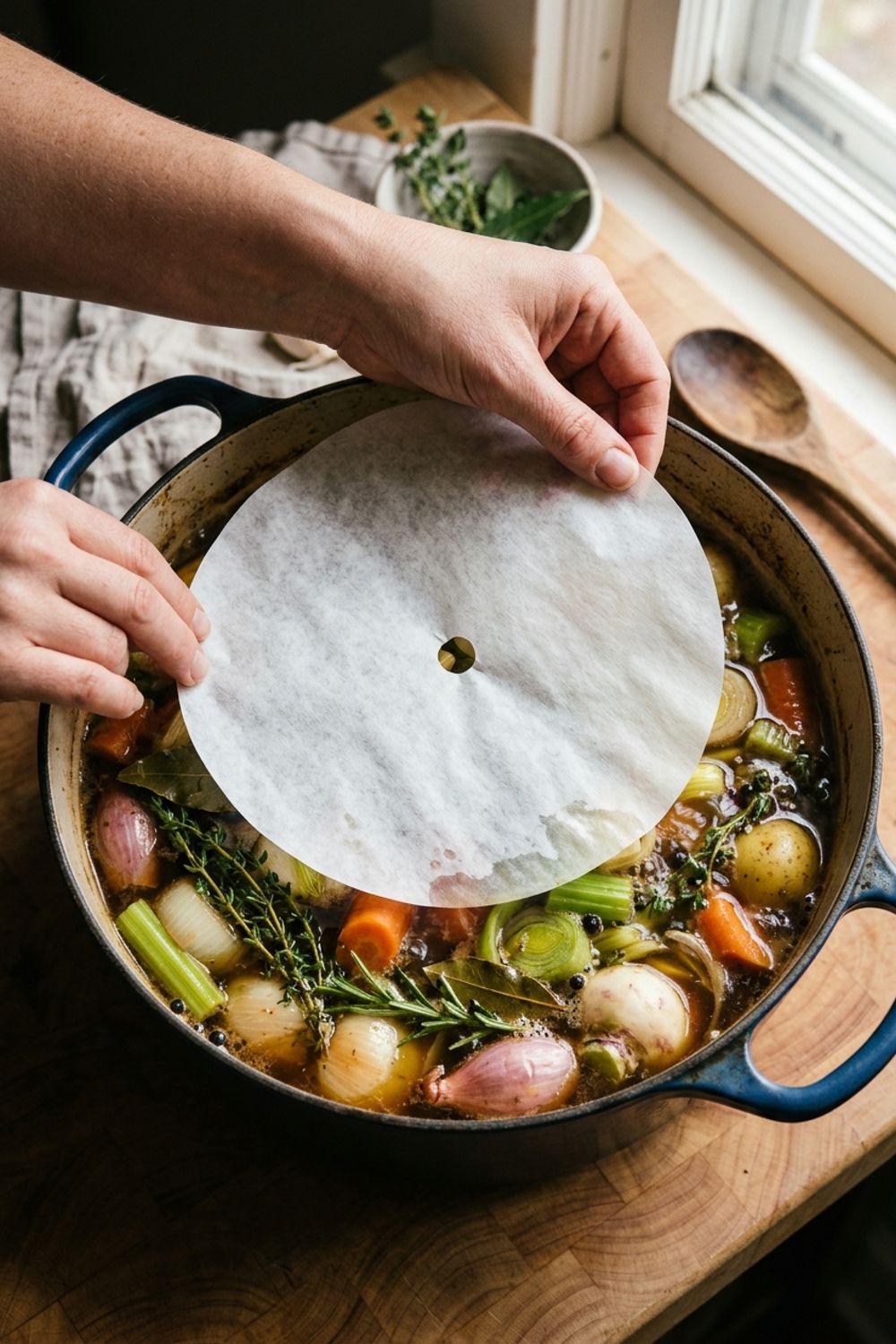
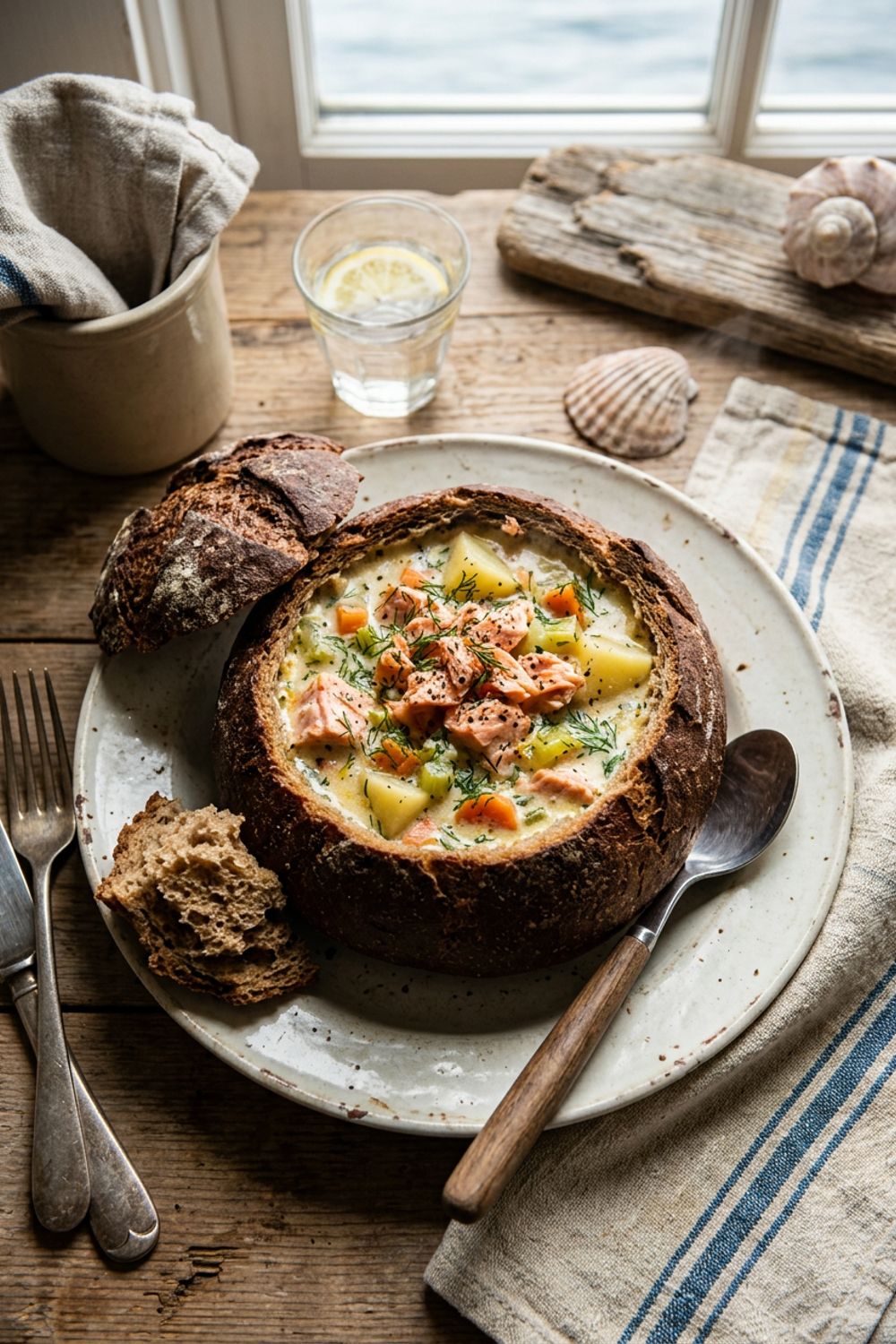
A cheese souffle connects you to centuries of French culinary tradition. If you are exploring French techniques, my guide to clarified butter is another essential foundation. For a different classic method, learn how to make a cartouche. And for cozy contrast, my smoked salmon chowder is pure comfort in a bowl.
Ingredients
Ramekin Prep
Soufflé Base (Béchamel)
Cheese & Eggs
Instructions
Prepare the Ramekins
Preheat oven to 375°F (190°C) with a rack in the lower third. Generously butter four 8-ounce ramekins, brushing in upward strokes from bottom to rim. Dust with finely grated Parmesan, rotating each ramekin to coat evenly. Tap out any excess. Place ramekins on a baking sheet.
Make the Béchamel
Melt 3 tablespoons butter in a medium saucepan over medium heat. Add the flour and whisk continuously for 1-2 minutes until the mixture is pale and bubbly but not browned. Gradually pour in the warm milk, whisking constantly to prevent lumps. Cook for 3-4 minutes, whisking, until the sauce is thick enough to coat the back of a spoon. Remove from heat and stir in salt, nutmeg, and cayenne.
Add the Cheese and Yolks
Add the Gruyère and Parmesan to the hot béchamel and stir until completely melted and smooth. Let the mixture cool for 3-4 minutes, then whisk in the egg yolks one at a time, incorporating each fully before adding the next. Stir in the Dijon mustard. Transfer to a large bowl if needed.
Whip the Egg Whites
In a large, spotlessly clean bowl (preferably metal or glass), whip the egg whites and cream of tartar with an electric mixer on medium speed until foamy. Increase speed to medium-high and beat until stiff, glossy peaks form, about 3-4 minutes. The whites should hold their shape when the whisk is lifted but not look dry or clumpy.
Fold Together
Scoop about one-third of the whipped whites into the cheese base and stir vigorously to lighten the mixture. Then add the remaining whites in two additions, folding gently with a large rubber spatula using a down-across-up-and-over motion. Fold until no white streaks remain, but do not over-mix.
Fill and Bake
Divide the soufflé mixture evenly among the prepared ramekins, filling them to about three-quarters full. Run your thumb around the inner rim of each ramekin to create a shallow groove — this helps the soufflé rise evenly with a classic 'top hat' shape. Bake for 22-25 minutes until the soufflés are puffed, golden on top, and jiggle slightly in the center when gently shaken.
Serve Immediately
Remove from the oven and serve within 60 seconds — soufflés wait for no one. Place each ramekin on a plate, warn your guests it is hot, and enjoy the dramatic presentation before it begins to settle.
Nutrition Information
Per serving (serves 4). Values are approximate.
| Calories | 310 calories |
| Total Fat | 23g |
| Saturated Fat | 13g |
| Carbohydrates | 8g |
| Sugar | 2g |
| Protein | 19g |
| Sodium | 480mg |
| Fiber | 0g |
* Percent Daily Values are based on a 2,000 calorie diet. Your daily values may be higher or lower depending on your calorie needs. Nutritional information is an estimate and may vary.
Never Miss a Recipe
Join 5,000+ home cooks and get new recipes straight to your inbox.
Frequently Asked Questions
Why did my soufflé fall?
Soufflés will naturally deflate after a few minutes out of the oven — that is completely normal. However, if it collapsed immediately, the egg whites may have been over-beaten (making them dry and unstable) or the oven door was opened during baking, causing a temperature shock.
Can I make one large soufflé instead of individual ones?
Yes! Use a 1.5-quart soufflé dish, prepared the same way. Increase the baking time to 30-35 minutes. The center should still have a slight jiggle when done.
Can I prepare the soufflé base in advance?
You can make the béchamel and cheese base up to a day ahead and refrigerate it. Bring it to room temperature before adding the egg yolks, then whip the whites and fold just before baking.
What cheese can I use instead of Gruyère?
Comté is the closest substitute. Aged Swiss, sharp white cheddar, or Emmental also work well. Avoid soft or very moist cheeses as they will make the soufflé heavy.
Do I need cream of tartar?
Cream of tartar stabilizes the egg whites, making the soufflé more forgiving. If you don't have it, use 1/2 teaspoon of lemon juice or white vinegar instead.

Hi, I'm Lisa!
I create simple, tested recipes from around the world that anyone can make at home.
Learn More →Reader Reviews
Based on 307 reviews