Pasta & Noodles
Coquillettes au Jambon - French Macaroni and Cheese with Ham
Discover authentic French comfort food with this creamy coquillettes au jambon recipe. Shell pasta, ham, and béchamel sauce make this dish irresistible.
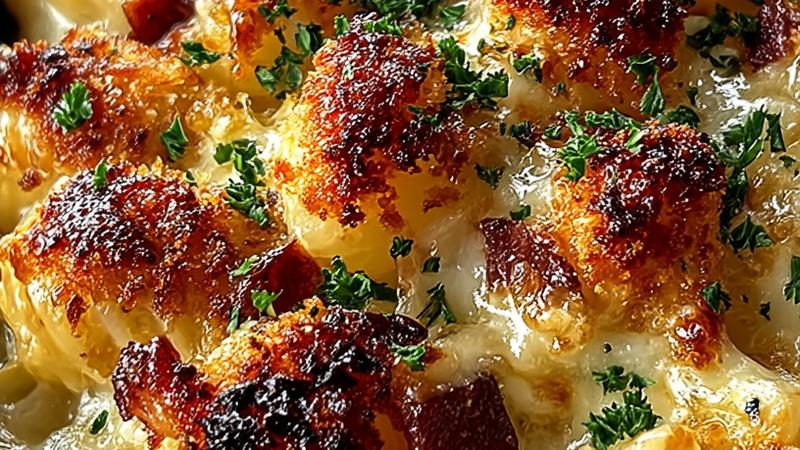
What Makes Coquillettes au Jambon So Special?
When I first discovered coquillettes au jambon during a semester abroad in Lyon, I was struck by how such simple ingredients could create something so extraordinarily comforting and elegant. This dish represents everything I love about French home cooking—it’s unpretentious, deeply satisfying, and relies on technique rather than exotic ingredients. The beauty of coquillettes au jambon lies in its simplicity and the quality of each component. The small shell-shaped pasta (coquillettes) is specifically chosen for its ability to hold the creamy béchamel sauce in its curves. The ham adds a subtle salty-sweet note that prevents the dish from being one-dimensional, while the combination of Gruyère and Emmental creates a cheese flavor that’s complex yet harmonious. The béchamel sauce is the soul of this dish—it’s not just a vessel for the other ingredients, but rather a carefully constructed foundation that brings everything together. I’ve made this dish dozens of times now, and I’m always amazed at how the humble combination of butter, flour, and milk transforms into something so luxurious and restaurant-quality when made with care and attention. What I appreciate most is that this recipe teaches fundamental cooking techniques that apply to so much more than just this one dish. Mastering the roux, understanding how to temper milk into a sauce, seasoning correctly—these are skills that will elevate your entire cooking repertoire.
The Secret to a Silky, Lump-Free Béchamel
The béchamel sauce is absolutely central to this dish’s success, and I want to share the secrets I’ve learned to make it perfectly every single time. The foundation is the roux—equal parts butter and flour cooked together—and this needs to be handled with care and patience. When you add the flour to melted butter, you’re creating a paste that will thicken your sauce. The key is cooking this roux for about 2 minutes before adding any liquid. This might seem counterintuitive, but this brief cooking period eliminates the raw flour taste and ensures a silky final sauce rather than one with a floury aftertaste. When it comes time to add the milk, temperature matters tremendously. Using warm milk prevents the shock that causes lumping. The cold milk meeting hot roux can cause the flour particles to seize up and clump together, which is what creates those frustrating lumps. I always heat my milk in a separate saucepan or even the microwave for about 2 minutes before using it. As you pour the milk in, whisk constantly—this is non-negotiable. The whisking motion keeps the roux particles suspended and evenly distributed throughout the liquid, resulting in a smooth, velvety sauce. Continue stirring as the sauce heats and thickens. You’ll notice it starting to thicken around the 5-7 minute mark. It’s ready when it coats the back of a spoon and you can draw a line through it with your finger. The final magic touch is the nutmeg. Just a quarter teaspoon of freshly grated nutmeg elevates this sauce from good to exceptional. It adds a subtle warmth and complexity that makes people ask ‘what is that amazing flavor?’ without being able to identify it specifically. Never use pre-ground nutmeg—the difference is remarkable. The small effort of grating it fresh is absolutely worth it.
Choosing Quality Ingredients Makes All the Difference
I’ve learned through experimentation that the quality of your ingredients has a profound impact on the final dish, perhaps more so than the technique itself. Let me break down what I’ve discovered about each component. For the pasta, coquillettes (small shell pasta) is traditional, but you could also use small elbow pasta or even smaller rigatoni. What matters is that the shape has some dimension to hold onto the sauce. I prefer coquillettes because they’re delicate and pretty, which makes the finished dish feel special. For the ham, this is where I really encourage you not to compromise. French jambon de Paris is worth seeking out—it has a much more delicate, slightly sweet flavor than standard supermarket lunch meat. Many butcher shops and quality supermarkets carry it. If you absolutely can’t find it, ask the deli counter for quality sliced ham, preferably bone-in or from a whole ham they’re selling. The difference between this and pre-packaged ham is like the difference between fresh-squeezed orange juice and concentrate. For the cheese, use real Gruyère and Emmental—not the pre-shredded versions in bags if you can avoid it. Pre-shredded cheese contains anti-caking agents that prevent it from melting as smoothly. If you must use pre-shredded, it will still work, but the texture of the sauce won’t be quite as creamy. I like to shred my cheese fresh from the block using a box grater just before assembling the dish. The milk should be whole milk for the richness this dish deserves. Skim or low-fat milk creates a thinner sauce and lacks the luxurious mouthfeel that makes this dish so satisfying. Whole milk has the fat content needed to create that velvety coating that makes each piece of pasta so enjoyable.
Tips for Making This French Classic Your Own
While I adore the traditional version of coquillettes au jambon, I’ve also discovered that it’s quite adaptable while still honoring its essential character. Here are some variations I’ve experimented with that I think you might enjoy. For a lighter version, you can reduce the cream slightly or use half-and-half instead of heavy cream, though I find full cream absolutely worth the small indulgence. For extra vegetable content, I sometimes add finely diced mushrooms or leeks sautéed with the ham—they add earthiness without overpowering the dish. Some cooks add fresh thyme or a touch of white wine to the sauce for additional depth. I’m a bit of a purist, but these additions are certainly French in spirit. For a more elegant presentation, you can serve this in individual gratin dishes instead of one large baking dish—it looks absolutely stunning and feels restaurant-quality. I do this when I’m serving dinner guests, and it always impresses. The baking time stays the same since the portions are still the same thickness. You could also add a small amount of Dijon mustard to the béchamel (about 1 teaspoon)—it won’t make the sauce taste like mustard, but it adds a subtle complexity that people absolutely love. For those who eat a lot of this dish and want variety, you could substitute the ham with diced chicken, smoked salmon, or even crispy bacon. Each creates a completely different but equally delicious dish. The beauty of this recipe is that once you master the technique of the béchamel and understand how to properly combine the elements, you can make it your own while maintaining the elegant simplicity that makes this dish so special.
Why This Dish is Perfect for Any Occasion
One of my favorite things about coquillettes au jambon is its remarkable versatility. It’s casual enough for a weeknight family dinner but elegant enough to serve at a dinner party. It’s comfort food elevated, and that’s exactly the kind of cooking I’m most passionate about. For weeknight meals, the fact that you can assemble it ahead and just pop it in the oven makes dinner stress-free. I often make this on Sunday afternoon, refrigerate it, and then just bake it the next evening. The whole meal comes together in under 45 minutes, and there’s almost no cleanup since everything happens in one dish. For entertaining, this dish impresses without requiring last-minute attention. Once it’s in the oven, you’re free to spend time with your guests. The presentation is beautiful—golden and bubbling when it comes out—and it serves 4 generously, making it perfect for an intimate dinner. It’s the kind of dish that makes people feel cared for because it clearly required thought and effort, even though it’s not dramatically difficult. For families with children, this is a genuine win. Kids love pasta, they generally like cheese, and the ham makes it feel special. I’ve served this to many families who swear it’s become a favorite. It’s the kind of comfort food that connects generations—parents remember similar dishes from their own childhoods, and kids discover why their parents love real food so much. For meal-prepping, individual portions reheat beautifully in the microwave, though I think this dish is best enjoyed fresh from the oven. Still, leftovers are wonderful for lunch the next day. The creamy sauce keeps the pasta moist during storage, and reheating it gently restores it to almost its original deliciousness.
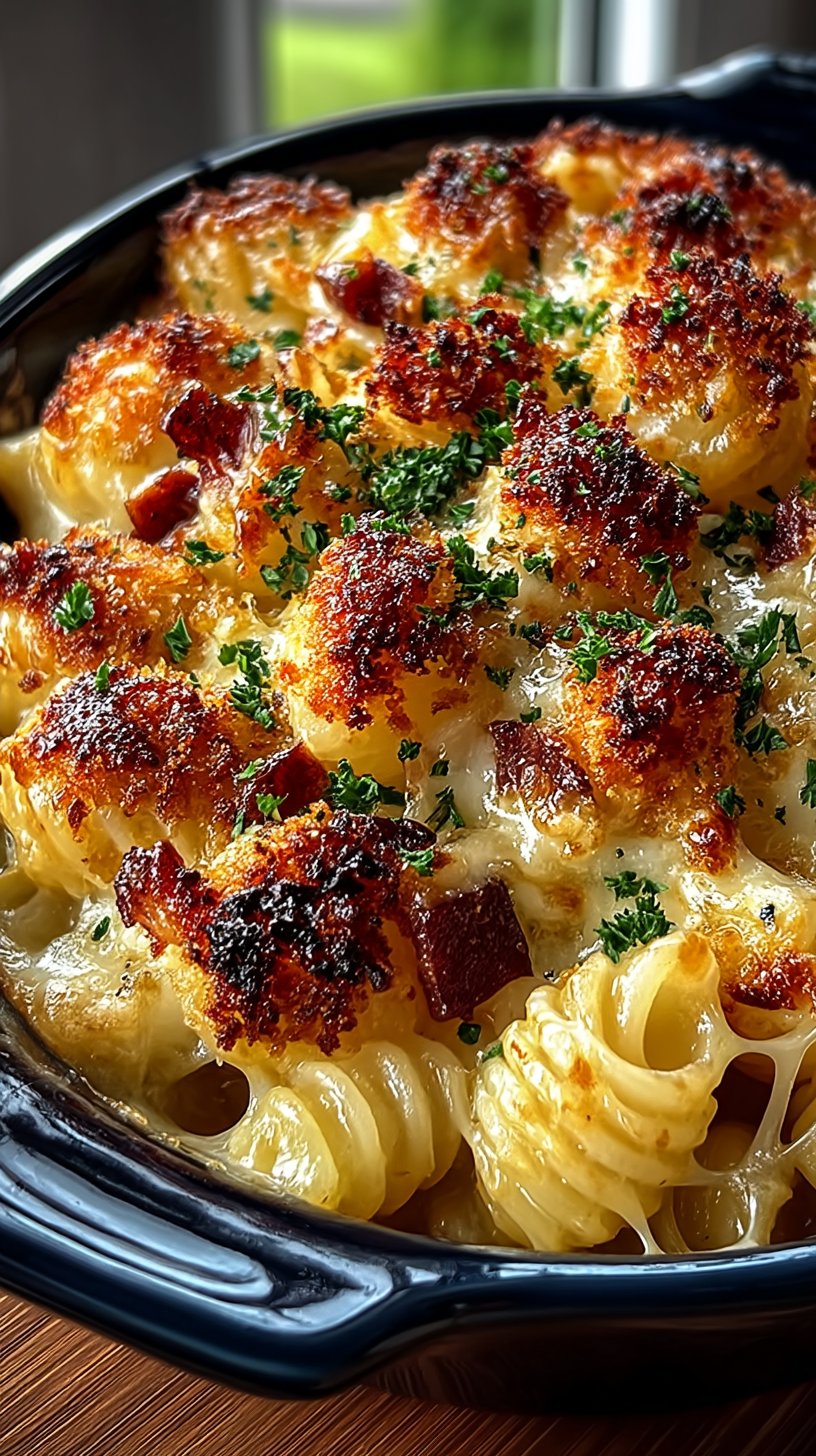
Ingredients
For the Pasta and Ham
For the Béchamel Sauce
For Topping and Assembly
Instructions
Cook the Coquillettes Pasta
Bring a large pot of salted water to a rolling boil. Add the coquillettes pasta and cook according to package directions until al dente, usually around 9-10 minutes. I always taste a piece to make sure it has just a slight firmness to the bite—that's the secret to preventing mushiness. Drain the pasta in a colander, but don't rinse it; the starch helps the sauce cling beautifully. Set aside while you prepare the béchamel sauce.
Prepare the Béchamel Base
In a medium saucepan, melt 3 tablespoons of butter over medium heat. Once melted and foaming, add the flour all at once, stirring constantly with a wooden spoon for about 2 minutes. This creates a roux and cooks off the raw flour taste—you want it to smell nutty and toasty. Slowly pour in the warmed milk while whisking continuously to prevent lumps from forming. This patient approach is what transforms a simple sauce into something silky and luxurious. Add the bay leaf and continue stirring until the sauce thickens, about 5-7 minutes.
Season the Sauce Perfectly
Once your béchamel has thickened to coat the back of a spoon, remove it from the heat and discard the bay leaf. Season with salt, white pepper, and that magical pinch of freshly grated nutmeg—it's a classic French touch that adds depth without being obvious. Stir in the heavy cream for extra richness. Taste and adjust seasonings to your preference. This is where your sauce transforms from basic to restaurant-quality, so don't skip this step!
Sauté the Ham and Aromatics
In a large skillet, melt 2 tablespoons of butter over medium heat. Add the diced onion and cook gently for about 3-4 minutes until softened and translucent. Add the minced garlic and cook for another minute until fragrant. Now add your diced ham and cook for 2-3 minutes, just to warm it through and marry the flavors. Don't overcook the ham or it becomes tough. The goal is to create an aromatic base that infuses the entire dish with flavor.
Combine Everything Together
Add the cooked coquillettes to the skillet with the ham and aromatics. Pour the béchamel sauce over the pasta and fold everything together gently using a spatula or wooden spoon, making sure every shell pasta gets coated in that creamy, luxurious sauce. The combination should feel rich and cohesive. Add about three-quarters of your grated Gruyère and Emmental cheese, reserving the rest for topping. Fold gently once more to incorporate the cheese.
Prepare for Baking
Transfer the pasta mixture into a buttered 9x13 inch (23x33cm) baking dish or similar-sized gratin dish. Spread it out evenly. In a small bowl, combine the reserved Gruyère and Emmental with all the Parmesan cheese. Sprinkle this cheese mixture over the top of the pasta. In another tiny bowl, toss the panko breadcrumbs with the melted butter until they're coated and crumbly. Scatter the breadcrumb mixture evenly over the cheese—this creates that gorgeous golden, crispy top.
Bake Until Golden and Bubbling
Preheat your oven to 375°F (190°C). Bake the coquillettes au jambon for 20-25 minutes, until the top is golden brown and the edges are bubbling around the sides. You want to see that beautiful contrast between the crispy top and the creamy filling beneath. I always peek at the 18-minute mark because ovens vary. When it's done, the aroma will be absolutely irresistible—warm cheese, ham, and nutmeg filling your kitchen with pure comfort.
Rest and Serve
Remove from the oven and let the dish rest for 3-5 minutes before serving. This resting period allows the sauce to set slightly, making it easier to serve without everything running all over the plate. Garnish with fresh parsley if you'd like a pop of color and freshness. Serve while piping hot for the best experience. This French classic deserves to be enjoyed at its peak, with steam rising from every spoonful.
Nutrition Information
Per serving (serves 4). Values are approximate.
| Calories | 485 calories |
| Total Fat | 22g |
| Saturated Fat | 12g |
| Carbohydrates | 45g |
| Sugar | 3g |
| Protein | 28g |
| Sodium | 680mg |
| Fiber | 2g |
* Percent Daily Values are based on a 2,000 calorie diet. Your daily values may be higher or lower depending on your calorie needs. Nutritional information is an estimate and may vary.
Never Miss a Recipe
Join 5,000+ home cooks and get new recipes straight to your inbox.
Frequently Asked Questions
Can I make coquillettes au jambon ahead of time?
Absolutely! You can assemble the entire dish up to 24 hours in advance and keep it covered in the refrigerator. When you're ready to bake, just add 5-10 extra minutes to the baking time since it's starting from cold. I often prepare this the morning of for an easy weeknight dinner. Just let it come to room temperature for 15 minutes before baking, or go straight from the fridge—both work beautifully.
What's the best ham to use for this recipe?
French ham (jambon de Paris) is traditional and has a delicate, slightly sweet flavor that's perfect for this dish. If you can't find it, high-quality deli ham works wonderfully too. Avoid pre-packaged lunch meat as it tends to be too salty and has a different texture. I like to ask the deli counter to slice it fresh—it makes such a difference in the final dish.
Can I substitute the cheese types?
While Gruyère and Emmental are classic choices that melt beautifully, you can substitute with Comté, Swiss cheese, or even a combination of Cheddar and Fontina. The key is using cheeses that melt smoothly. I'd avoid very hard cheeses like aged Parmesan as the only cheese since they won't create that creamy texture. Parmesan is perfect as a supporting player, adding sharpness and umami depth.
How do I make the sauce extra creamy?
The secret is using warm milk and being patient with your roux. Warm milk incorporates more smoothly and prevents lumping. I also add a splash of heavy cream at the end, which enriches the sauce tremendously. Some cooks add a bit of crème fraîche or sour cream for extra depth. Don't skip the nutmeg either—it enhances the perception of creaminess and adds sophistication.
Can I make this without the breadcrumb topping?
Of course! If you prefer a creamier, less crispy version, simply skip the panko breadcrumbs and just top with the cheese mixture. It's still delicious and slightly more elegant in a refined way. Some French home cooks make it exactly this way. However, I personally love that textural contrast the breadcrumbs provide—it's comfort food with a little sophistication.

Hi, I'm Lisa!
I create simple, tested recipes from around the world that anyone can make at home.
Learn More →Reader Reviews
Based on 406 reviews