Pasta & Noodles
Pasta Alla Vodka Recipe: Creamy Tomato Sauce That's Simply Irresistible
Learn how to make authentic Pasta Alla Vodka with my foolproof recipe. Silky tomato cream sauce with a vodka kick—ready in just 30 minutes!
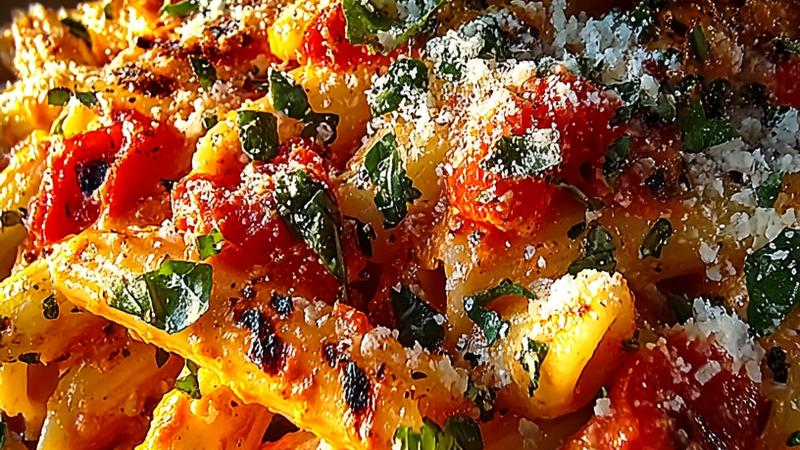
The Story Behind Pasta Alla Vodka
When I first encountered Pasta Alla Vodka during a culinary exploration phase, I was skeptical. Vodka in pasta sauce? It seemed gimmicky at best, pretentious at worst. But then I tasted it at a cozy Roman trattoria tucked away on a quiet street in Brooklyn, and everything changed. The sauce was velvety, the tomato flavor was bright and almost floral, and there was this subtle warmth that I couldn’t quite place. That’s when the chef told me about the vodka.
Historically, Pasta Alla Vodka emerged in Italy during the 1970s, though its exact origins are debated among food historians. Some credit Roman chefs experimenting with new techniques, while others point to Sicilian influences. What matters most is that this dish represents Italian ingenuity—taking simple, quality ingredients and elevating them through technique and a touch of creativity.
The vodka serves a specific purpose beyond its alcohol content. During cooking, it helps extract flavors from the tomatoes that water-based cooking cannot reach. It also brightens the sauce and prevents it from tasting overly acidic, which is a common problem with tomato-based sauces. When the alcohol cooks off, you’re left with a mysteriously enhanced tomato flavor that diners will want to identify but can’t quite place.
Why This Recipe Works
I’ve made this recipe countless times now, and it consistently delivers restaurant-quality results. The secret lies in balance and patience. The aromatics are sautéed gently, not rushed. The sauce is given time to simmer so flavors develop and marry. The vodka is allowed to cook off properly. The cream is incorporated slowly to create an emulsion rather than a separated, greasy mess.
What I love most about this dish is its versatility. It’s elegant enough for a dinner party, yet simple enough for a weeknight when you want something special. You don’t need fancy equipment or rare ingredients—just a good heavy-bottomed pan, quality tomatoes, fresh garlic, and proper technique. The pasta itself becomes secondary to the sauce; it’s just the vehicle for delivering that silky, tomato-cream goodness to your mouth.
There’s also something deeply satisfying about understanding how this dish comes together. You’re not following mysterious steps—you’re building flavor intentionally. Each step has a purpose. By the time you’re tossing everything together, you understand exactly why this 50-year-old dish remains a favorite in restaurants and home kitchens around the world.
Tips for Success
Use quality San Marzano tomatoes if you can find them. They’re sweeter and have fewer seeds than most other varieties, which means you get more pure tomato flavor and less watery sauce. If you can only find regular canned tomatoes, that’s perfectly fine—they’ll work beautifully too.
Don’t skip the pasta cooking water! I know it seems counterintuitive to save what many people dump down the drain, but that starchy water is one of the tricks professional cooks use to create silky sauces. It helps emulsify the cream and oil, giving you that restaurant-quality finish.
Taste and season as you go. Everyone’s salt tolerance is different, and the intensity of your tomatoes might vary. By tasting throughout the cooking process, you ensure your final dish is perfectly seasoned to your preference.
Bring all your components together while everything is hot. Cold pasta added to warm sauce, or vice versa, will result in a less cohesive dish. Having your sauce ready and your pasta drained at nearly the same moment is important.
Fresh basil and good Parmigiano-Reggiano are non-negotiable finishing touches. They add brightness and nuttiness respectively, completing the flavor profile that makes this dish so memorable.
Variations and Substitutions
This is a wonderfully flexible recipe. If you want to add protein, pan-sear some shrimp or scallops and toss them in at the end. Grilled chicken breast cut into strips transforms this into a heartier main course. Some of my friends add crispy pancetta or guanciale for that authentic Roman touch—both are delicious.
Vegetable-wise, you could wilt fresh spinach or arugula into the sauce just before serving, or roast some sun-dried tomatoes and fold them in. Mushrooms sautéed until golden brown add earthiness and texture.
For the cream component, I’ve experimented with half-and-half, whole milk, and even mascarpone. Each creates a slightly different texture and richness level. Half-and-half gives you a lighter version without sacrificing creaminess. Mascarpone creates an almost luxurious, velvety sauce that’s slightly less traditional but absolutely decadent.
If you want to reduce the alcohol flavor (though it does cook off completely), you can add the vodka earlier in the cooking process so it simmers longer. Conversely, if you want a slightly more pronounced warmth, add it closer to the end of the simmering period.
Wine Pairing and Serving Suggestions
The creaminess and acidity of Pasta Alla Vodka pair beautifully with crisp white wines. A Pinot Grigio from northern Italy is a classic choice, but I also love Vermentino or a young Sauvignon Blanc. The acidity cuts through the richness of the cream while the citrus notes complement the tomato.
Serve this with a simple green salad dressed in lemon vinaigrette to provide contrast to the rich sauce. Garlic bread or focaccia on the side is perfect for soaking up any extra sauce. Skip heavy appetizers—this dish is meant to be the star of the meal.
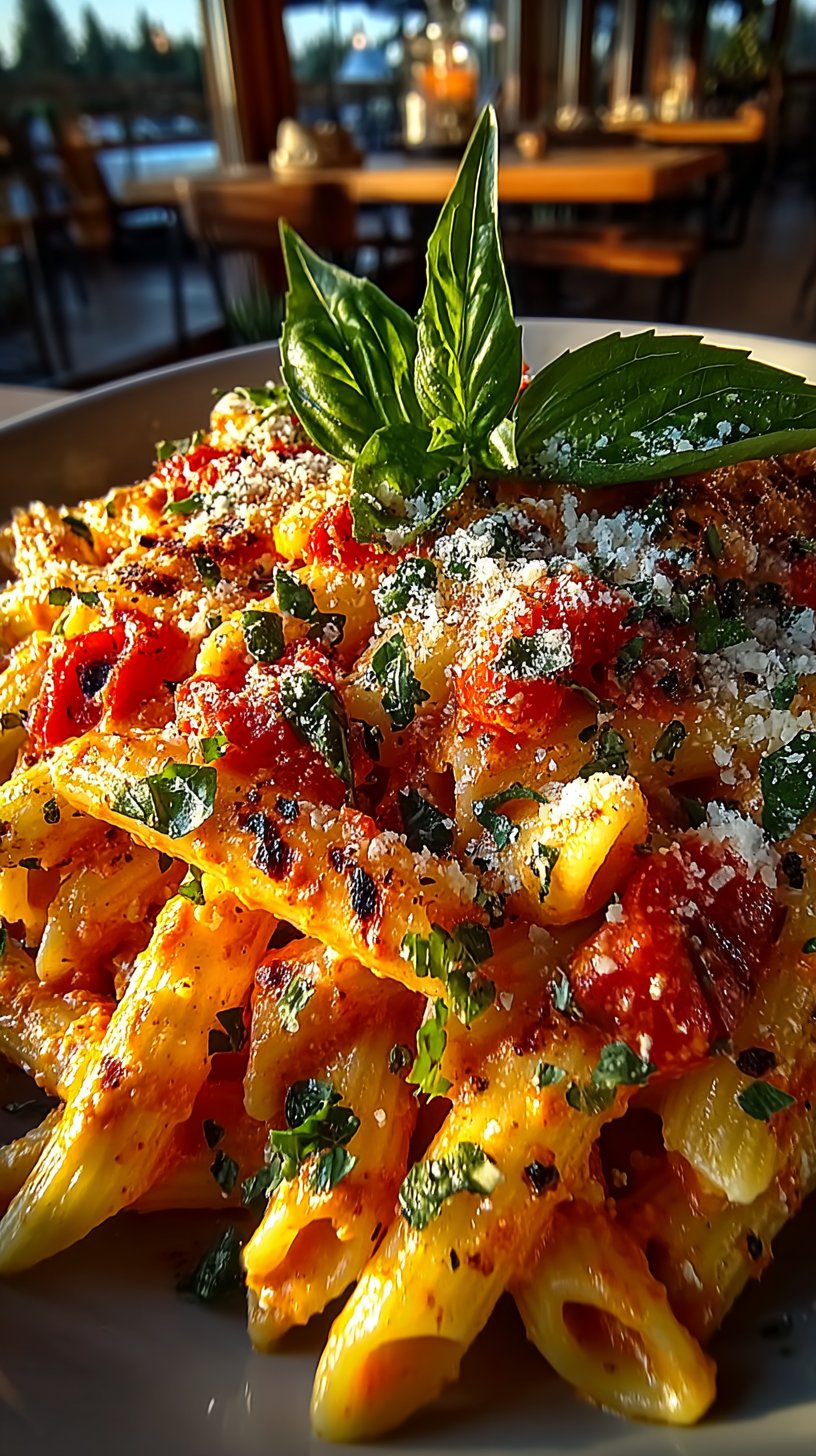
For presentation, I like to serve this in warm bowls rather than plates. Warm bowls keep the sauce at the perfect temperature longer and make the dish feel more luxurious. A crack of black pepper, a small basil leaf, and maybe a little more cheese on top make it look like you spent hours on it—even though it took less than an hour total.
Ingredients
Instructions
Bring Water to Boil
Fill a large pot with water and bring it to a rolling boil. Season generously with salt—the water should taste like the sea! This is your foundation for perfectly cooked pasta. While the water heats, prepare your ingredients. Mince the garlic finely and dice the onion into small, uniform pieces. Having everything prepped before you start cooking makes the process smooth and stress-free.
Sauté Aromatics
Heat olive oil in a large, heavy-bottomed pan over medium heat. Once shimmering, add the diced onion and cook for about 3-4 minutes, stirring occasionally, until it becomes translucent and fragrant. Then add your minced garlic and red pepper flakes, cooking for another minute until the garlic is aromatic but not browned. This gentle sauté builds the flavor foundation of your sauce—it's worth taking your time here.
Add Tomatoes and Vodka
Pour in your crushed tomatoes along with their juices, stirring well to combine with the garlic and onion mixture. Let the sauce simmer for about 5 minutes to meld the flavors. Now comes the signature ingredient—carefully pour in the vodka. The alcohol will cook off, but it enhances the tomato flavor in a way that's hard to describe. Some say it brightens the acidity; I think it adds a subtle complexity. Let this simmer for another 8-10 minutes, stirring occasionally.
Cook Pasta
While your sauce simmers, add the pasta to your boiling salted water. Stir immediately to prevent sticking. Cook according to package directions until al dente—usually around 9-11 minutes. You want the pasta to have a slight bite to it, not mushy. Reserve about 1 cup (240ml) of pasta cooking water before draining. This starchy water is liquid gold for bringing your sauce together at the end.
Create Creamy Finish
Once the vodka has simmered and mellowed, reduce your heat to low. Stir in the butter and slowly pour in the heavy cream, stirring constantly to create a silky, unified sauce. The cream mellows the acidity of the tomatoes and creates that luxurious texture that makes this dish so craveable. Taste as you go and season with salt and black pepper. Don't be shy—this is where your sauce reaches its full potential.
Combine Pasta and Sauce
Add your drained pasta directly to the creamy vodka sauce, tossing gently to coat every strand. If the sauce seems too thick, add reserved pasta water a little at a time until you reach a silky consistency that clings to the pasta. The sauce should flow, not cling stiffly. This usually takes about ¼ to ½ cup of the starchy water, depending on how you like your pasta dressed.
Finish and Serve
Divide the pasta among four warm bowls or plates. Tear fresh basil leaves and scatter them over the top, then finish with freshly grated Parmigiano-Reggiano cheese. A drizzle of good olive oil and perhaps a tiny pinch more red pepper flakes add the final touches. Serve immediately while the pasta is still hot and the sauce is silky. This is best enjoyed fresh—invite friends over and watch them fall in love with this classic Italian dish.
Nutrition Information
Per serving (serves 4). Values are approximate.
| Calories | 485 calories |
| Total Fat | 18g |
| Saturated Fat | 8g |
| Carbohydrates | 58g |
| Sugar | 6g |
| Protein | 14g |
| Sodium | 380mg |
| Fiber | 3g |
* Percent Daily Values are based on a 2,000 calorie diet. Your daily values may be higher or lower depending on your calorie needs. Nutritional information is an estimate and may vary.
Never Miss a Recipe
Join 5,000+ home cooks and get new recipes straight to your inbox.
Frequently Asked Questions
Can I make Pasta Alla Vodka without vodka?
You can, but it won't be the same! Vodka adds a subtle complexity and brightens the tomato flavors in a way that's hard to replicate. If you prefer not to use alcohol, try adding 2 tablespoons of balsamic vinegar or a splash of white wine as alternatives. However, I really encourage you to try it with vodka at least once—it's worth experiencing the magic of this ingredient!
Is this recipe vegetarian?
Yes, absolutely! This recipe contains no meat, making it naturally vegetarian. It's rich and satisfying enough that you won't miss meat at all. The combination of butter, cream, and that beautiful tomato sauce creates a luxurious dish that's equally appealing to vegetarians and meat-eaters alike.
Can I make this sauce ahead of time?
Definitely! Make the sauce up to step 5 (after adding the cream) and store it in an airtight container in the refrigerator for up to 3 days. When you're ready to serve, gently reheat it over low heat, stirring occasionally. Add the pasta and pasta water as directed. The flavors actually deepen a bit after sitting overnight, which is a bonus!
What pasta shape works best?
Penne and rigatoni are traditional choices because their tubes and ridges catch the creamy sauce beautifully. That said, I've made this with fettuccine, linguine, and even farfalle, and it's delicious every time. Choose whatever pasta you love—the sauce is so silky that it works with nearly any shape!
How do I make this sauce less heavy?
If you're looking for a lighter version, reduce the cream to ¼ cup (60ml) instead of ½ cup (120ml), and use just 1 tablespoon (15g) of butter. You can also use half-and-half instead of heavy cream. The sauce will be slightly less creamy but still delicious and flavorful. Remember, it's all about finding what works for your taste and dietary preferences!

Hi, I'm Lisa!
I create simple, tested recipes from around the world that anyone can make at home.
Learn More →Reader Reviews
Based on 435 reviews