Chicken & Poultry
Authentic Dublin Coddle Recipe - Traditional Irish Comfort Food
The Story Behind Dublin’s Most Beloved Comfort Food
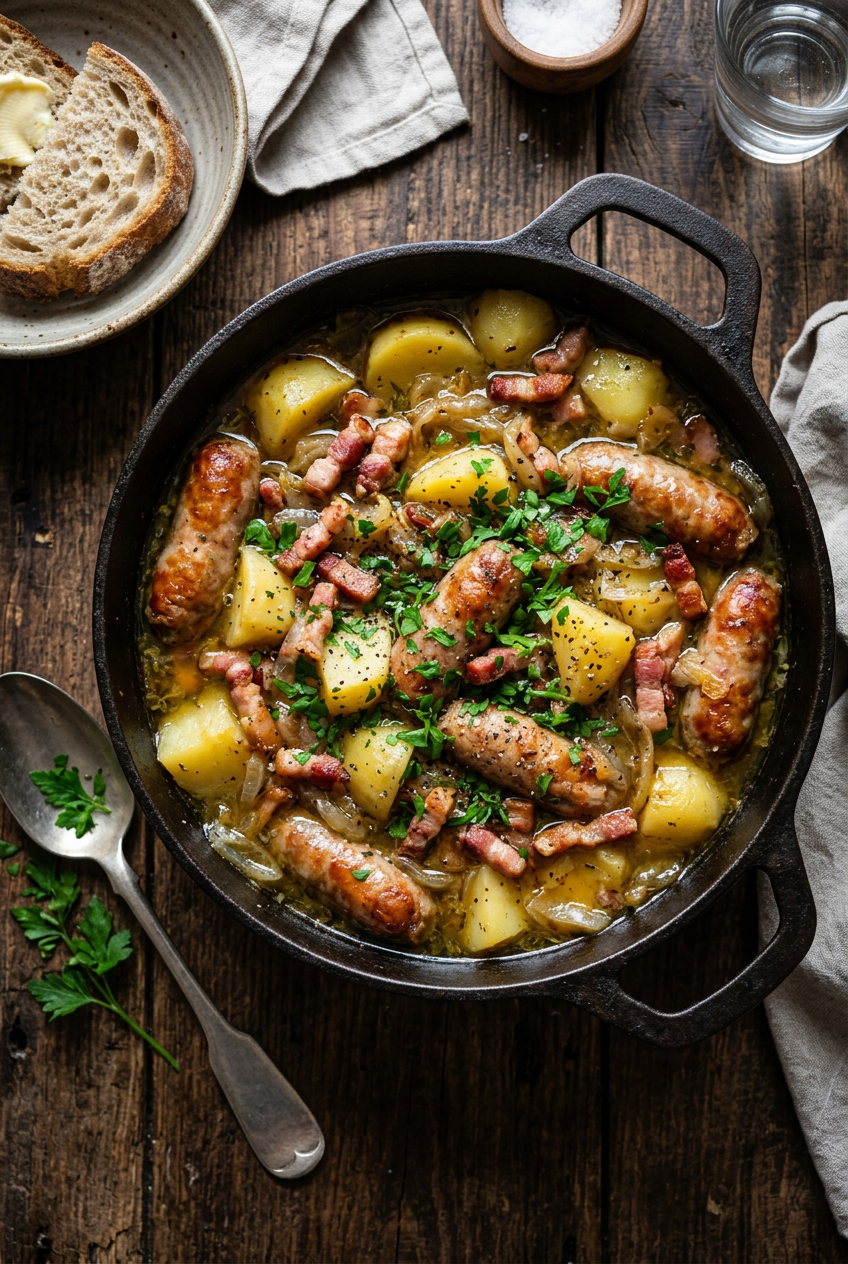
I’ll never forget my first taste of Dublin Coddle during a chilly evening in Temple Bar. The warmth that spread through my body wasn’t just from the hearty stew itself, but from the story the pub owner shared about this humble yet beloved dish. Dublin Coddle isn’t just food - it’s a piece of Irish history served in a bowl. This traditional working-class meal was born out of necessity in Dublin’s tenements, where families would use up their leftover sausages and bacon before the shops closed on Saturday nights. What started as a practical solution to food waste became one of Ireland’s most cherished comfort foods. The beauty of coddle lies in its simplicity - just a few quality ingredients layered together and left to work their magic slowly. There’s something almost meditative about the process, and I find myself making it whenever I need that same warmth and comfort I felt in that Dublin pub.
Why This Dublin Coddle Recipe Works Every Time
After testing countless variations, I’ve discovered the secrets that make this Dublin Coddle recipe absolutely foolproof. The key is in the layering technique - never stir during cooking! This allows each ingredient to maintain its distinct texture while the flavors meld beautifully. I start by browning the bacon and sausages to develop deep, rich flavors and render out the fat that will coat and flavor the vegetables. The onions get sautéed in this rendered fat, creating a sweet, savory base. Then comes the crucial layering: potatoes on the bottom to absorb all the wonderful juices, followed by onions, meats, more onions, and finally more potatoes on top. This method ensures the bottom potatoes become creamy and almost melt into the broth, while the top layer stays more intact, giving you varied textures in every spoonful. The slow, gentle cooking process is non-negotiable - rushing this dish will leave you with tough meat and unevenly cooked potatoes.
Choosing the Right Ingredients for Authentic Flavor
The magic of Dublin Coddle lies in its simplicity, which means every ingredient needs to be top-quality. For the sausages, I prefer thick Irish pork sausages or good bratwurst - they hold their shape during the long cooking process and have the right fat content to enrich the broth. Avoid thin breakfast sausages as they tend to fall apart. The bacon should be thick-cut and meaty; I often ask my butcher for bacon that’s cut about ¼-inch thick. For potatoes, I swear by russets or Yukon Golds - they have the perfect starch content to partially break down and thicken the cooking liquid while maintaining some structure. The onions should be large and sweet; I prefer yellow onions for their balanced flavor that becomes beautifully caramelized during the slow cooking process. Fresh thyme and bay leaves are essential for that authentic Irish flavor profile, and don’t skip the fresh parsley garnish - it adds a bright note that cuts through the richness.
Mastering the Traditional Cooking Technique
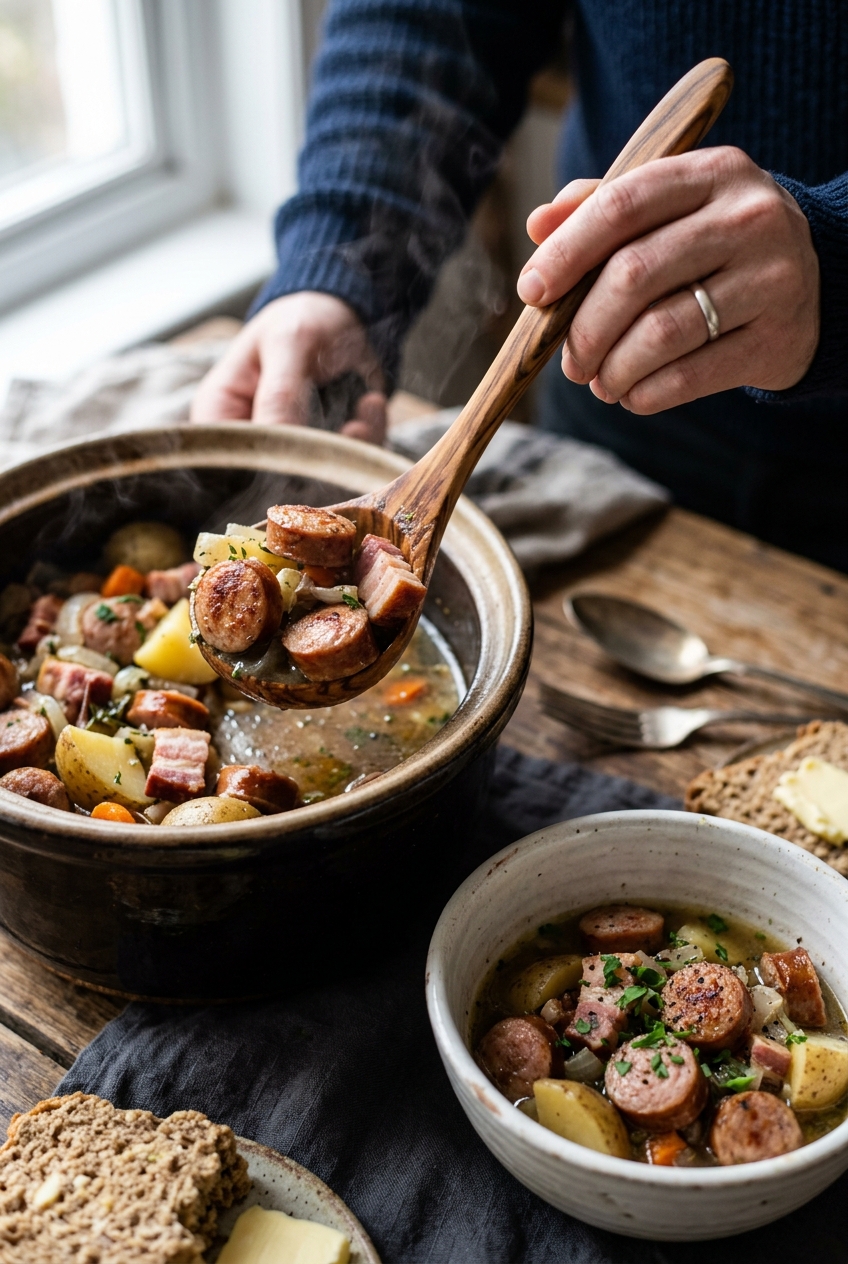
The traditional Dublin Coddle technique is what sets this dish apart from other stews, and once you understand the method, you’ll see why it’s remained unchanged for generations. The browning phase is crucial - I take my time to get a good sear on both the bacon and sausages, building layers of flavor that will permeate the entire dish. When layering, I’m very deliberate about the placement. The bottom layer of potatoes acts like a sponge, soaking up all the rendered fats and meat juices. The middle layer of meats and onions is where the main flavors develop, while the top layer of potatoes steams gently, creating different textures throughout the pot. The stock should come about halfway up the sides - too much and you’ll have soup, too little and the top ingredients won’t cook properly. The slow simmer is absolutely critical; I keep it just barely bubbling. This gentle heat allows the collagen in the meats to break down slowly, the potatoes to release their starch gradually, and all the flavors to meld without any ingredient overpowering another.
Serving Suggestions and Perfect Pairings
Dublin Coddle is a complete meal in itself, but the right accompaniments can elevate it from hearty to heavenly. I always serve it with thick slices of Irish soda bread - the dense, slightly tangy bread is perfect for soaking up the rich broth. A pint of Guinness is traditional, but I also love it with a robust Irish red ale or even a glass of full-bodied red wine. For a lighter touch, a simple green salad with sharp vinaigrette cuts through the richness beautifully. I like to serve the coddle in deep, warmed bowls - the presentation should be rustic and homey, not fancy. A generous sprinkle of fresh parsley isn’t just for color; it adds a fresh, herbaceous note that brightens the entire dish. Some families add a dollop of whole grain mustard on the side, which provides a sharp contrast to the mellow, comforting flavors. During colder months, I sometimes start the meal with a small glass of Irish whiskey - it’s not traditional, but it certainly sets the mood for this soul-warming feast.
Ingredients
Instructions
Prepare the Meats
In a large, heavy-bottomed pot or Dutch oven, cook the chopped bacon over medium heat for 5-6 minutes until it starts to crisp. Add the whole sausages to the pot and brown them on all sides, about 8-10 minutes total. The bacon fat will help brown the sausages beautifully. Remove both meats and set aside on a plate.
Sauté the Onions
In the same pot with the rendered fat, add the sliced onions and cook for 6-8 minutes until they're softened and lightly golden. The onions will absorb all those wonderful flavors from the bacon and sausages. Season with a pinch of salt and pepper.
Layer the Ingredients
This is where the magic happens! Layer half of the quartered potatoes in the bottom of the pot, followed by half the cooked onions, then all the bacon and sausages. Top with the remaining onions and finish with the rest of the potatoes. Add the bay leaves and thyme between the layers.
Add Stock and Season
Pour the stock over the layered ingredients - it should come about halfway up the sides. Don't worry if it doesn't cover everything completely; the vegetables will release their own juices as they cook. Season the top layer of potatoes generously with salt and pepper.
Slow Cook to Perfection
Bring the mixture to a gentle simmer, then reduce heat to low. Cover with a tight-fitting lid and let it cook slowly for 1 hour and 15 minutes. Resist the urge to stir - the layering is important for authentic texture and flavor development.
Final Check and Serve
Check that the potatoes are tender by gently inserting a fork into the top layer. The liquid should have reduced and thickened slightly. Remove the bay leaves, taste and adjust seasoning if needed. Serve hot in deep bowls, garnished with fresh chopped parsley and accompanied by crusty Irish soda bread.
Nutrition Information
Per serving (serves 6). Values are approximate.
| Calories | 485 calories |
| Total Fat | 28g |
| Saturated Fat | 10g |
| Carbohydrates | 35g |
| Sugar | 4g |
| Protein | 22g |
| Sodium | 890mg |
| Fiber | 4g |
* Percent Daily Values are based on a 2,000 calorie diet. Your daily values may be higher or lower depending on your calorie needs. Nutritional information is an estimate and may vary.
Never Miss a Recipe
Join 5,000+ home cooks and get new recipes straight to your inbox.
Frequently Asked Questions
What makes Dublin Coddle different from other Irish stews?
Dublin Coddle is unique because it's a layered dish that's never stirred during cooking, uses only sausages and bacon (no other meats), and traditionally doesn't include carrots or other root vegetables - just potatoes and onions.
Can I make Dublin Coddle ahead of time?
Absolutely! Dublin Coddle actually tastes better the next day as the flavors meld together. Store it covered in the refrigerator for up to 3 days and reheat gently on the stovetop or in a low oven.
What type of sausages work best for this recipe?
Traditional Irish pork sausages are ideal, but good-quality bratwurst, Italian sausages, or any hearty pork sausage will work wonderfully. Avoid thin breakfast sausages as they may break apart during the long cooking process.
Is it normal for the coddle to look watery at first?
Yes, that's completely normal! The potatoes and onions will release moisture as they cook, and the liquid will gradually reduce and thicken. The final result should have a rich, slightly thickened broth.
Can I add other vegetables to Dublin Coddle?
While traditional Dublin Coddle contains only potatoes and onions, you can add carrots or parsnips if you prefer. However, purists would argue this makes it more of an Irish stew than an authentic coddle.

Hi, I'm Lisa!
I create simple, tested recipes from around the world that anyone can make at home.
Learn More →Reader Reviews
Based on 234 reviews
Leave a Review
You Might Also Like
Chicken & Poultry
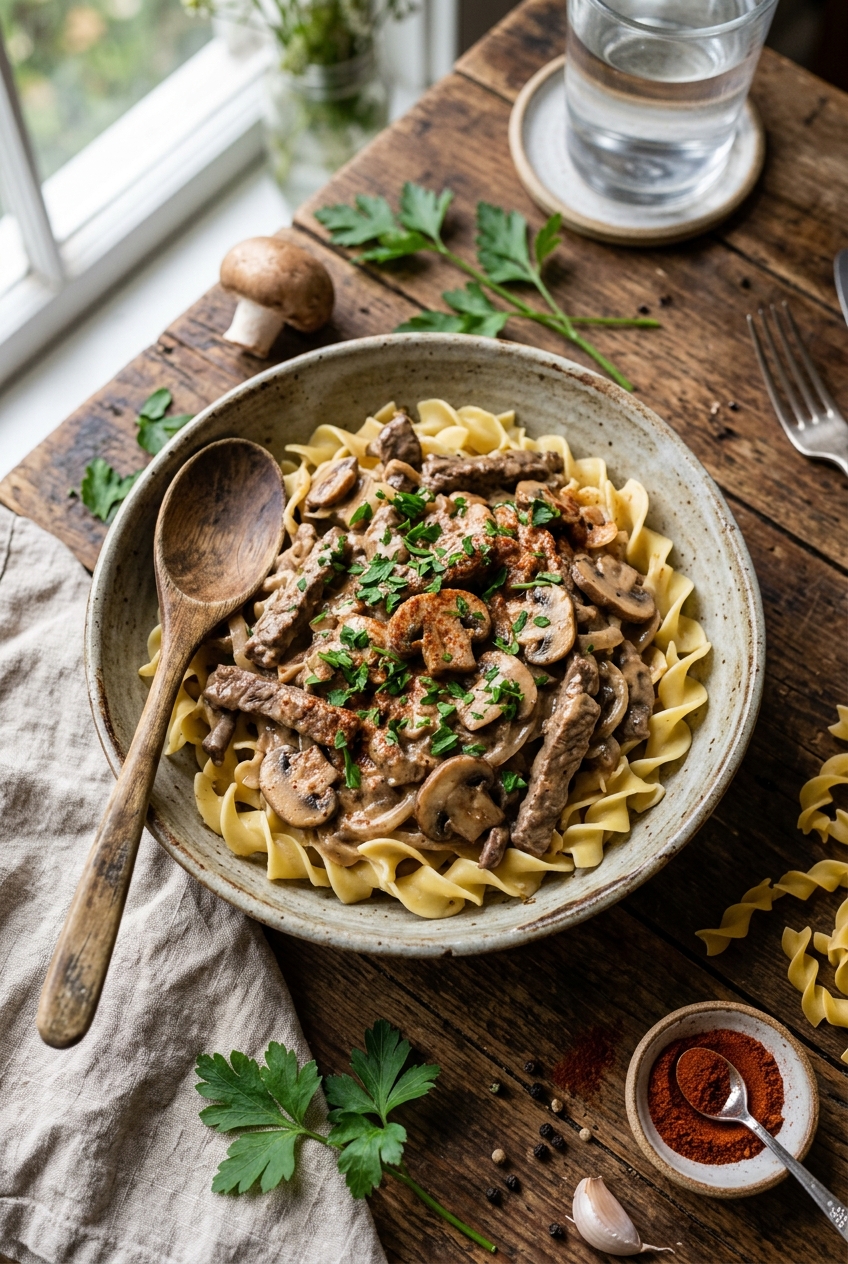
Easy Beef Stroganoff Recipe - Creamy Comfort Food in 30 Minutes
Chicken & Poultry
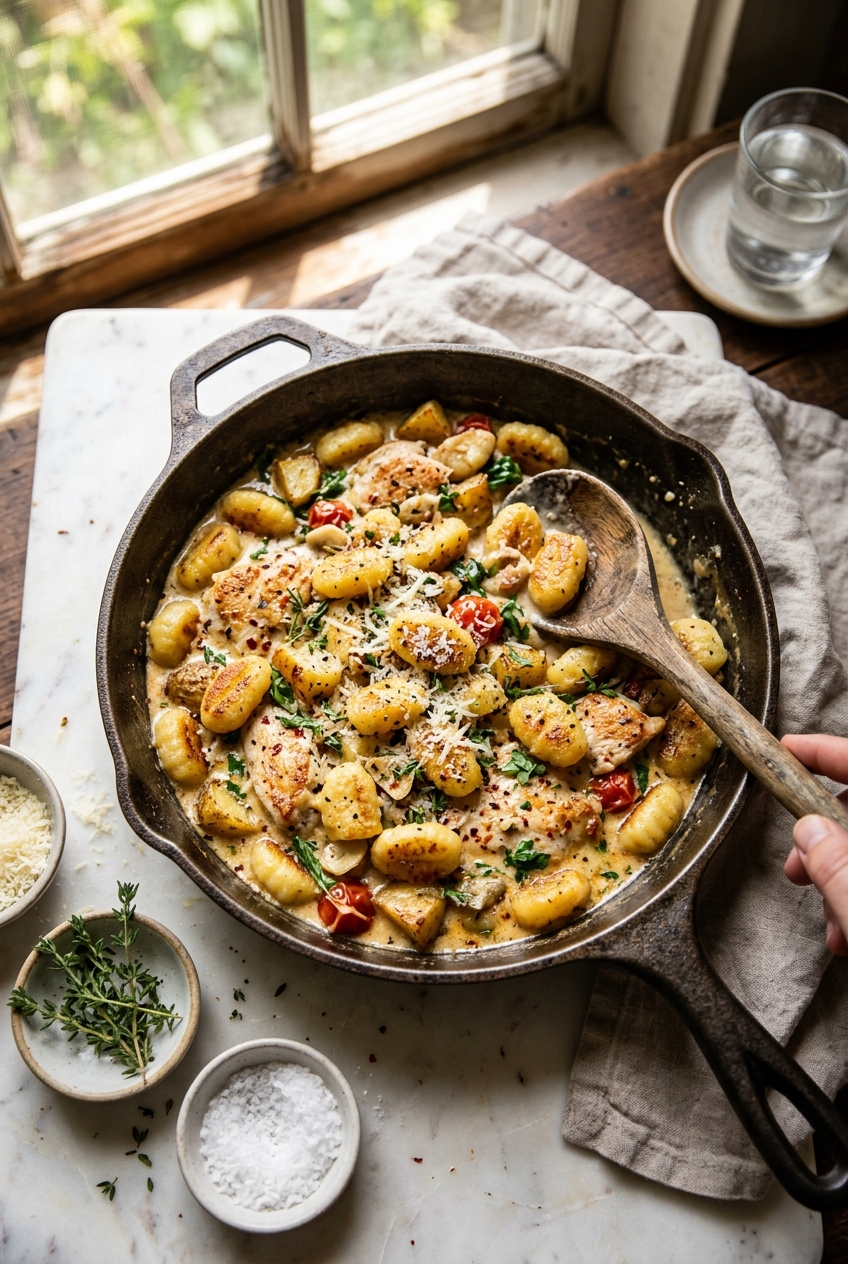
Creamy Chicken Potato Gnocchi - Comfort Food at Its Finest

Chicken & Poultry
Crispy Air Fryer Chicken Thighs - Juicy & Golden in 25 Minutes
Chicken & Poultry