Holiday & Christmas
Easter Lamb Matchmaker: A Global Celebration on Your Plate
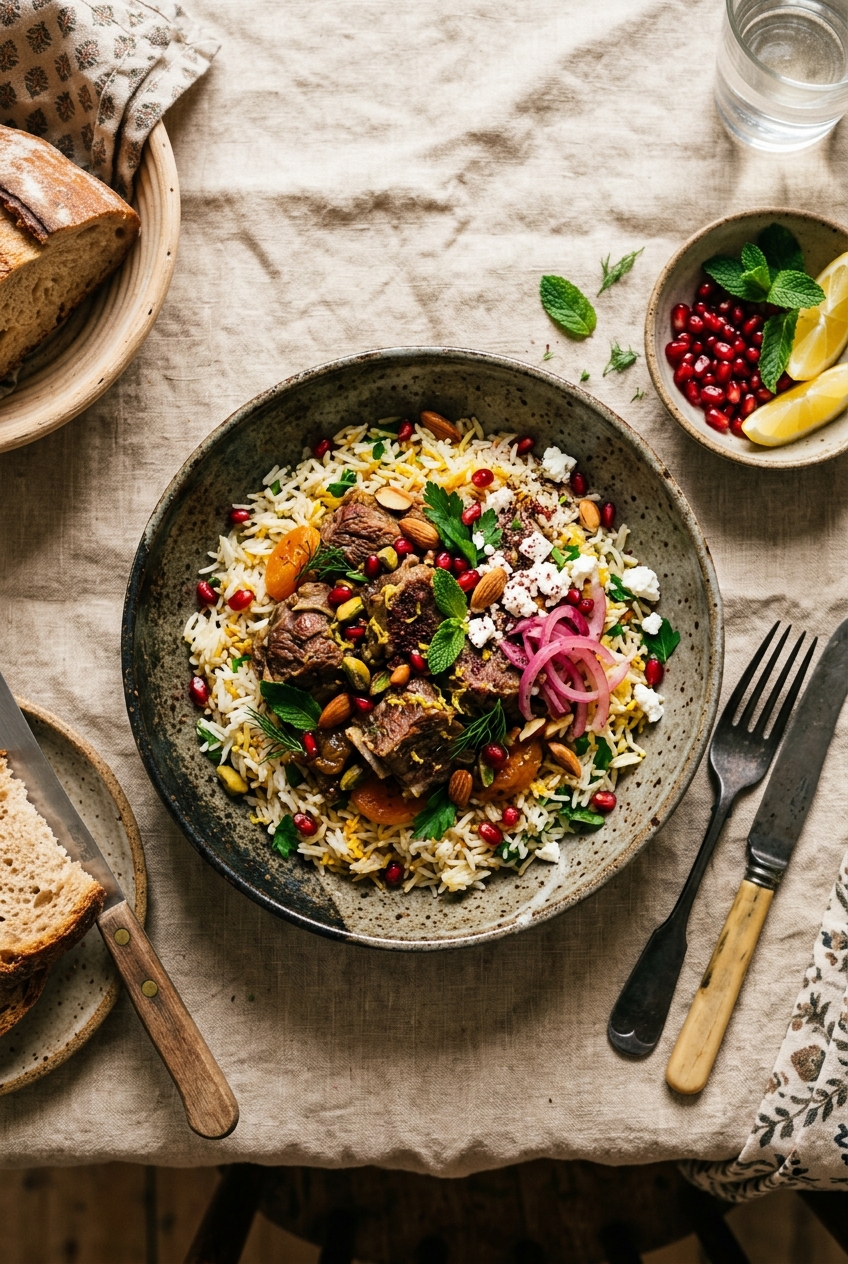
Why I Love This Easter Lamb Matchmaker Recipe
When I first encountered the concept of a ‘matchmaker’ sauce, I was intrigued. The idea that certain flavors are destined to come together, like soulmates, absolutely captivated me. This Easter lamb matchmaker recipe embodies that philosophy perfectly. The herb-crusted lamb and the sweet-savory mustard-honey sauce are meant for each other—they complement, enhance, and celebrate one another on the palate.
I developed this recipe after years of exploring Mediterranean cuisine across different countries. I’ve enjoyed lamb in Greece with wild herbs, in France with Dijon mustard, and in the Middle East with honey and spices. This recipe is my love letter to all those culinary traditions, combined into one show-stopping Easter dinner. The beauty of this dish is that it’s elegant enough for your most important holiday celebration, yet approachable enough for a home cook to execute with confidence.
Easter is all about renewal and celebration, and there’s something deeply satisfying about preparing a meal that brings people together. Lamb has been a symbol of Easter for centuries across cultures, and this recipe honors that tradition while adding modern, sophisticated flavors that will impress your guests.
The Art of Searing Lamb Perfectly
One of the most important techniques in this recipe is achieving that perfect golden crust on the lamb. This isn’t just about aesthetics—though the crust certainly looks beautiful. The Maillard reaction that occurs when you sear meat at high heat creates complex flavor compounds that are absolutely essential to the final dish.
To achieve this, your pan must be genuinely hot. I mean smoking hot. Don’t be shy about the heat! Pat your lamb completely dry before it hits the pan—any moisture will create steam, which prevents browning. Once the lamb is in the pan, resist the urge to move it around. Let it sit undisturbed for those crucial 3-4 minutes. I know it’s tempting to peek and fidget, but patience is rewarded here.
The herb crust also plays a role in this process. The garlic and herbs will caramelize slightly, adding another layer of flavor. You might notice some herbs darkening—this is perfect. Don’t worry about them burning; they’re developing deeper, more complex flavors. This is the foundation upon which the entire dish is built.
Understanding the Matchmaker Sauce
The sauce is truly the star of this dish, and understanding its components will help you master it. The ‘matchmaker’ concept comes from the way the sauce’s flavors interact with the lamb. Dijon mustard provides a sharp, slightly spicy note that cuts through the richness of the lamb. Honey adds sweetness and body, creating a glaze-like quality. Balsamic vinegar brings acidity and depth, while the white wine adds brightness and complexity.
When you deglaze the pan with white wine, you’re not just adding liquid—you’re incorporating all those flavorful browned bits stuck to the bottom. This is called fond, and it’s pure flavor. As the wine reduces, it becomes more concentrated and intense. This is why we let it reduce by half before adding the stock.
The final step of whisking in cold butter is crucial. This technique, called monter au beurre, emulsifies the sauce, creating a silky, luxurious texture. The butter also adds richness and helps the flavors come together harmoniously. This is why I always use good quality butter—it makes a noticeable difference in the final result.
I love that this sauce isn’t heavy or overly rich. It’s balanced and elegant, allowing the quality of the lamb to shine through while adding complementary flavors. It’s the perfect matchmaker between the lamb and your palate.
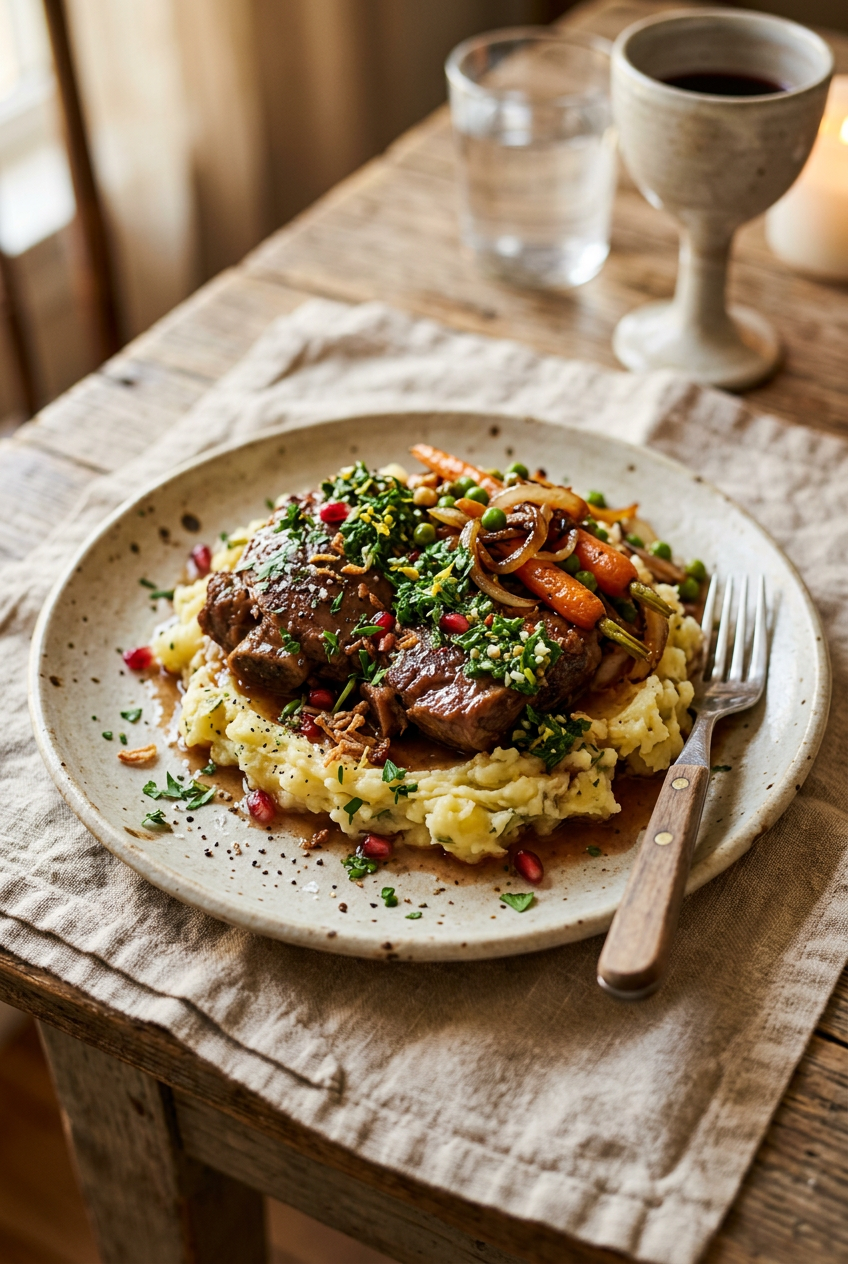
Pairing Sides and Wine with Your Easter Lamb
While the lamb and sauce are undoubtedly the stars, the supporting cast of side dishes and wine pairings can elevate the entire meal. I always recommend roasted spring vegetables—asparagus, baby potatoes, and young carrots are perfect. Their delicate flavors won’t compete with the lamb, and their bright colors create a beautiful presentation on the plate.
For wine pairings, I suggest a medium-bodied red wine like Côtes du Rhône or a Bordeaux blend. The tannins in these wines complement the lamb beautifully, while their acidity cuts through the richness of the sauce. If you prefer white wine, a full-bodied Chardonnay or Viognier would be wonderful.
For a complete Easter menu, consider starting with a light appetizer—perhaps a spring salad with fresh herbs and lemon vinaigrette. Follow the lamb with a simple dessert that won’t overwhelm the palate, like lemon panna cotta or a light chocolate mousse. The entire meal should flow together, with each course building on the last.
I also love serving this lamb with a simple grain like couscous or risotto. The creamy texture of risotto, in particular, provides a wonderful contrast to the lamb and sauce. You could even make a spring vegetable risotto with fresh peas and asparagus for a cohesive, elegant meal.
Making This Recipe Your Own
While I’ve provided specific ingredients and techniques, I encourage you to make this recipe your own. This is the beauty of cooking—it’s both a science and an art. The science ensures your lamb cooks properly and safely. The art allows for creativity and personalization.
Consider your own flavor preferences. Do you love garlic? Add more. Prefer milder herbs? Use less rosemary and thyme. Want to add a touch of spice? A pinch of cayenne pepper or red pepper flakes in the herb crust would be wonderful. This is your Easter celebration, and your food should reflect your tastes.
I’ve made this recipe with different herbs depending on what’s available at my local farmers market. In spring, I sometimes add fresh tarragon or chervil. In summer, I’ve experimented with basil and marjoram. Each variation is delicious in its own way.
The sauce is equally flexible. If you don’t have balsamic vinegar, red wine vinegar works beautifully. If you prefer a less sweet sauce, reduce the honey. If you want more acidity, add extra lemon juice. These small adjustments allow you to create a dish that’s perfectly suited to your palate and your guests’ preferences.
Cooking is a conversation between you, your ingredients, and your guests. This recipe provides the framework, but you provide the soul. Trust your instincts, taste as you go, and don’t be afraid to make adjustments. The best meals are those made with confidence and love.
Ingredients
For the Lamb
For the Matchmaker Sauce
For Serving
Instructions
Prepare Your Lamb
Remove your lamb from the refrigerator about 30 minutes before cooking—this is crucial for even cooking throughout. Pat the lamb dry with paper towels, which helps achieve that beautiful golden crust we're after. I always take this moment to admire the quality of the meat; good lamb is the foundation of this dish. Trim any excess fat if desired, leaving just a thin layer for flavor and moisture.
Create the Herb Crust
In a small bowl, combine the minced garlic, rosemary, thyme, oregano, lemon zest, sea salt, pepper, and smoked paprika. Drizzle in the olive oil and mix until you have a fragrant paste. This is where the magic begins! The combination of Mediterranean herbs reminds me of my travels through Greece and Southern France. Rub this mixture generously all over the lamb, making sure to coat every surface. Let it sit for about 10 minutes to allow the flavors to penetrate the meat.
Sear the Lamb
Heat a large cast-iron or stainless steel skillet over medium-high heat until it's smoking hot. This is essential—we want a proper sear! Carefully place the lamb in the pan and resist the urge to move it around. Let it cook undisturbed for 3-4 minutes until a golden crust forms. Flip and sear the other side for another 3-4 minutes. The Maillard reaction happening here creates incredible depth of flavor that's absolutely essential to this dish.
Finish Cooking in the Oven
Transfer your skillet to a preheated 375°F (190°C) oven and cook for 12-15 minutes for medium-rare lamb (internal temperature of 130-135°F/54-57°C). If you prefer medium, aim for 140-145°F (60-63°C). I always use a meat thermometer because it takes the guesswork out of cooking. Remove the lamb from the oven and transfer it to a warm plate, tenting it loosely with foil. Let it rest for 5-8 minutes—this allows the juices to redistribute, ensuring tender, juicy meat.
Build the Matchmaker Sauce
While the lamb rests, place your skillet over medium heat (careful, it's hot!). Add the diced shallot and minced garlic, sautéing for about 1 minute until fragrant. Pour in the white wine, scraping up all those flavorful browned bits from the bottom of the pan—this is called deglazing, and it's liquid gold. Let the wine reduce by half, which takes about 3-4 minutes. This concentrates the flavors beautifully.
Finish the Sauce
Add the lamb stock, Dijon mustard, honey, and balsamic vinegar to your pan. Stir well and let it simmer for 2-3 minutes. The combination of mustard and honey creates this wonderful sweet-savory balance that 'matches' perfectly with the lamb—hence the name 'Matchmaker'! Remove from heat and whisk in the cold butter cubes one at a time, creating a silky, emulsified sauce. Finish with fresh lemon juice and taste for seasoning, adjusting salt and pepper as needed.
Plate and Serve
Arrange your rested lamb on a beautiful platter or individual plates. Spoon the matchmaker sauce around the lamb, allowing it to pool elegantly. Garnish with fresh mint leaves and a pinch of fleur de sel. Serve alongside your roasted spring vegetables for a complete Easter celebration. The presentation is just as important as the taste—this dish deserves to be admired before it's devoured!
Nutrition Information
Per serving (serves 6). Values are approximate.
| Calories | 385 calories |
| Total Fat | 22g |
| Saturated Fat | 8g |
| Carbohydrates | 12g |
| Sugar | 6g |
| Protein | 38g |
| Sodium | 480mg |
| Fiber | 1g |
* Percent Daily Values are based on a 2,000 calorie diet. Your daily values may be higher or lower depending on your calorie needs. Nutritional information is an estimate and may vary.
Never Miss a Recipe
Join 5,000+ home cooks and get new recipes straight to your inbox.
Frequently Asked Questions
Can I make this recipe ahead of time?
Absolutely! You can prepare the herb crust up to 24 hours in advance and store it in the refrigerator. The sauce can also be made a few hours ahead and gently reheated. However, I recommend searing and cooking the lamb fresh on the day you're serving it for the best texture and flavor. This dish is really about that perfect sear and tender, juicy meat.
What's the best cut of lamb for this recipe?
I prefer using lamb loin chops or a rack of lamb for this recipe because they cook quickly and evenly. If you're feeding a larger crowd, a lamb leg or shoulder works beautifully too—just adjust cooking times accordingly. A 3-4 lb leg would need about 1.5-2 hours in the oven at 350°F (175°C). Always ask your butcher for their recommendation based on what looks best that day.
Can I substitute the herbs?
Definitely! While rosemary, thyme, and oregano are classic Mediterranean choices, you can experiment with other herbs. Fresh mint, dill, or tarragon would be wonderful alternatives. I've even made this with za'atar spice blend for a Middle Eastern twist. The beauty of this recipe is its flexibility—let your palate guide you!
What wine should I use for the sauce?
I recommend a crisp, dry white wine like Sauvignon Blanc, Pinot Grigio, or Vermentino. These wines have good acidity that complements the lamb beautifully. Avoid overly oaky wines as they can overpower the delicate sauce. If you don't have white wine, you can substitute with additional stock and a splash of lemon juice, though the sauce will be slightly less complex.
How do I know when the lamb is done?
The most reliable method is using a meat thermometer. For medium-rare (my preference), aim for 130-135°F (54-57°C). For medium, go for 140-145°F (60-63°C). Remember that the internal temperature will rise slightly during resting, so remove it from the oven a few degrees before your target temperature. If you don't have a thermometer, you can use the touch method—medium-rare lamb should feel like the fleshy area between your thumb and forefinger when your hand is relaxed.

Hi, I'm Lisa!
I create simple, tested recipes from around the world that anyone can make at home.
Learn More →Reader Reviews
Based on 243 reviews