World Cuisine
High-Protein Mediterranean Meatball Bowls
Discover my favorite high-protein Mediterranean meatball bowls recipe. Packed with lean meat, fresh veggies, and creamy tzatziki sauce for meal prep perfection.
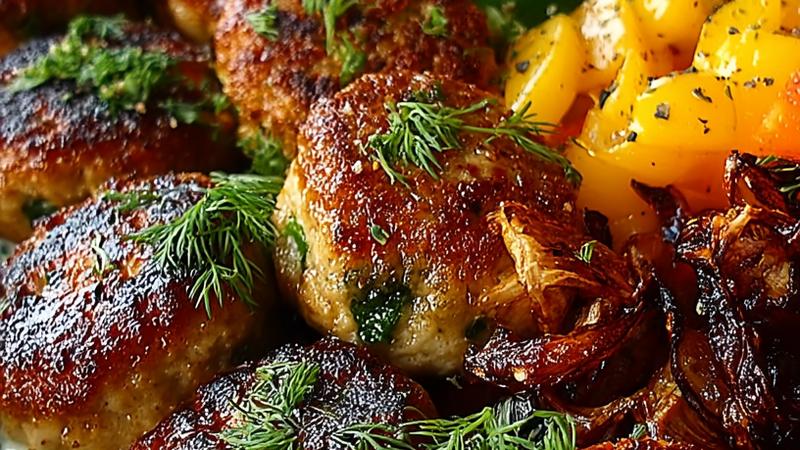
Why I’m Obsessed With These Mediterranean Meatball Bowls
I discovered my love for Mediterranean cuisine during a summer in Greece several years ago, and I’ve been absolutely captivated ever since. There’s something about the combination of fresh herbs, quality olive oil, tangy feta, and bright vegetables that just makes my heart sing. When I came back home, I started experimenting with ways to bring those flavors into my everyday cooking, especially for meal prep. That’s when these high-protein Mediterranean meatball bowls entered my life, and honestly, they’ve become a weekly staple.
What I adore about these bowls is their versatility and nourishment. They’re protein-packed thanks to the lean turkey and chicken, with an incredibly creamy tzatziki sauce that tastes indulgent but is actually made from Greek yogurt. Every single ingredient serves a purpose – nothing is just filler. The fresh herbs like parsley and dill aren’t just garnish; they’re integral to the flavor profile. The combination of warm meatballs with cool, crisp vegetables creates this beautiful temperature and texture contrast that makes eating feel special, even if I’m having it at my desk on a Tuesday.
I also love that these bowls satisfy my curiosity about world cuisine. Mediterranean cooking celebrates whole foods, minimal processing, and letting quality ingredients shine. There’s wisdom in that approach. Plus, the nutritional profile is genuinely impressive – you’re getting lean protein, healthy fats from olive oil and olives, complex carbs from quinoa, fiber from vegetables, and probiotics from Greek yogurt. It’s the kind of meal that makes you feel good both while eating and afterward.
Understanding the Mediterranean Flavor Profile
What makes Mediterranean cuisine so special is its foundation in five core elements: fresh herbs, quality olive oil, citrus, sea vegetables, and lean proteins. In these meatballs, I’ve incorporated several of these beautifully. The fresh parsley and mint mixed directly into the meat add brightness and freshness that prevents the meatballs from feeling heavy. I also use oregano – one of the most iconic Mediterranean herbs – which adds an earthy, slightly peppery note that’s absolutely essential.
The tzatziki sauce is where the Mediterranean magic really shines through. This traditional Greek sauce is the perfect vehicle for fresh dill and lemon juice, creating something cool, refreshing, and deeply satisfying. When you combine it with the warm meatballs, you get this incredible contrast. The cucumber adds moisture and a delicate flavor that doesn’t overpower the other elements.
I also incorporated cumin into the meatballs, which might seem slightly unconventional for traditional Greek food, but it’s actually used throughout the Mediterranean region and adds wonderful warmth and depth. It’s about respecting tradition while also being creative and making these recipes your own. The kalamata olives, feta cheese, fresh spinach, and tomatoes round out the authentic Mediterranean experience while also boosting the nutritional content significantly.
Protein Perfection: Why This Bowl Works
As someone who cares deeply about feeling nourished and satisfied after meals, I’ve become obsessed with understanding protein and its role in our diet. These bowls deliver serious protein from multiple sources, which I find absolutely brilliant for several reasons.
First, the primary protein source comes from a mix of ground turkey and ground chicken breast. Turkey is slightly leaner than chicken but has a more robust flavor, while chicken breast is incredibly versatile and mild. Combining them gives you the best of both worlds – excellent leanness (we’re talking about 90-95% lean meat) with wonderful flavor complexity. Ground poultry also has a lighter, more delicate texture than ground beef, which is perfect for meatballs that stay moist and tender.
Second, I’ve layered in additional protein sources throughout the bowl. The Greek yogurt in the tzatziki sauce isn’t just for flavor – it’s packed with protein and probiotics. Quinoa is my grain of choice specifically because it’s a complete protein containing all nine essential amino acids, unlike regular rice. The feta cheese adds another protein boost along with its signature tangy flavor. Even the olives contribute a bit of protein, though their real value is in the healthy monounsaturated fats they provide.
This multi-layered protein approach means the bowl isn’t just protein-heavy in one element – it’s balanced throughout. That’s nutritionally smart because it ensures you’re getting amino acid variety and sustained satiety. I find that when I eat these bowls for lunch, I’m genuinely not hungry until dinner, which is exactly what I want from a meal.
Meal Prep Magic and Practical Tips
I’ve learned through years of meal prepping that the difference between a sustainable healthy eating plan and one that falls apart is usually just good organization and smart preparation. These Mediterranean meatball bowls are genuinely one of the best recipes I’ve found for meal prep because the components can be prepared separately and stored for different lengths of time.
Here’s my actual meal prep routine: On Sunday, I make a double or triple batch of the meatballs and the tzatziki sauce, storing them separately in airtight containers. The meatballs will keep for four days, and the sauce keeps for five, so I have flexibility. I cook my grain of choice and store that separately. Then, for the vegetables, I prep what I can – dicing the cucumber, halving the tomatoes, slicing the red onion, and getting the spinach ready.
The key to success is NOT assembling everything at once. If you mix the warm grains with cool vegetables hours in advance, you’ll end up with soggy, unappetizing bowls. Instead, I keep components separate and assemble them right before eating. It takes about three minutes, and the payoff in freshness and texture is absolutely worth it.
I typically make four bowls at once, which gives me lunch for four days. On busy mornings, I can grab a container and my sauce, spend literally two minutes assembling, and have a restaurant-quality lunch. This level of convenience has genuinely changed my eating habits for the better. I’m much more likely to choose a nourishing, homemade option when it’s this accessible.
If you’re new to meal prep, I’d suggest starting with a double batch (8 servings) instead of four. It gives you flexibility – maybe you’ll love them and eat them all week, or maybe you’ll get bored and want variety. Frozen meatballs also reheat beautifully, so you can always freeze extras for future weeks when you want that quick, protein-packed meal option.
Customization and Variations to Try
While I absolutely love the classic version of these bowls, one of my favorite things about this recipe is how endlessly customizable it is. I’ve made dozens of variations depending on what I have on hand, dietary preferences of friends visiting, or just because I’m in the mood for something slightly different.
For grain variations, I rotate between quinoa, brown rice, farro, or even wild rice. Each brings its own texture and nutritional profile. If I’m looking for extra protein, I sometimes use a combination of two grains. For vegetable variations, I swap in what’s seasonal and fresh – roasted zucchini in summer, roasted bell peppers, shredded carrots, diced beets, or fresh radishes. I’ve even used chickpeas or white beans mixed into some of my bowls for even more plant-based protein on vegetarian versions.
For the sauce, while tzatziki is my absolute favorite, I’ve experimented with other Mediterranean options: a lemony tahini sauce, a sun-dried tomato and basil sauce, or even a simple chimichurri. If someone has dairy allergies, I use coconut yogurt or a cashew-based cream sauce with the same herbs.
For the meatball recipe itself, I’ve tried substituting half the meat with finely chopped mushrooms for a lower-fat, plant-forward version that’s still incredibly satisfying. I’ve also made vegetarian versions using a combination of chickpeas, lentils, and walnuts, seasoned identically to the meat version.
The beauty of understanding these core components and flavor profiles is that you can mix and match based on your needs, preferences, and what’s available. The recipe becomes a template for creating countless variations, each one still nourishing, delicious, and genuinely exciting to eat.
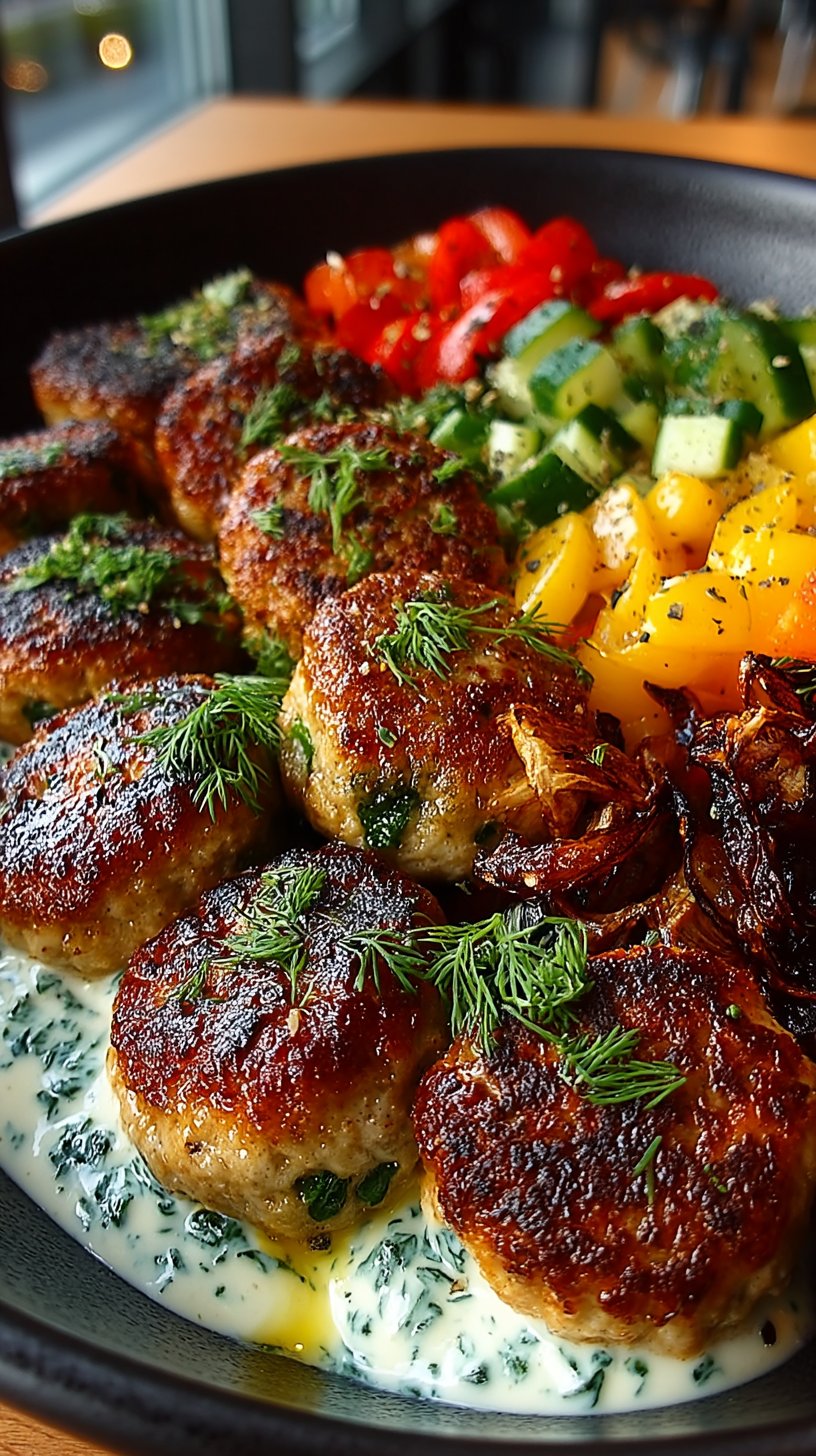
Ingredients
For the Meatballs
For the Bowls
For the Tzatziki Sauce
Instructions
Prepare Your Meatball Mixture
I always start by combining the turkey, chicken, breadcrumbs, and milk in a large mixing bowl. Let the breadcrumbs soak for about a minute – this keeps the meatballs incredibly moist. Then I add the egg, fresh parsley, mint, minced garlic, oregano, cumin, salt, and pepper. Using my hands (clean hands are key!), I gently fold everything together until just combined. Don't overmix, as this can make the meatballs tough and dense. The mixture should feel light and hold together when squeezed.
Shape and Cook the Meatballs
Using a small cookie scoop or my hands, I form the mixture into 16 meatballs, roughly 1.5 inches (4cm) each. Heat 2 tablespoons of olive oil in a large skillet over medium-high heat. Once shimmering, I carefully add the meatballs in a single layer – they shouldn't touch. Let them sear undisturbed for 3-4 minutes until golden brown on the bottom, then roll them gently to cook all sides for another 5-7 minutes until cooked through. When a meat thermometer inserted into the thickest meatball reads 165°F (74°C), they're ready. Transfer to a plate lined with paper towels.
Make the Tzatziki Sauce
While the meatballs cook, I prepare the tzatziki because it's genuinely the star of these bowls. I combine the Greek yogurt with the grated cucumber (make sure you really squeeze out that moisture – it prevents a watery sauce), minced garlic, fresh dill, lemon juice, salt, and pepper. Drizzle in the olive oil and whisk until creamy and smooth. I always taste and adjust seasoning as needed. The acidity from lemon and brightness from dill really balance the richness of the meatballs beautifully.
Prepare Your Base Ingredients
Now comes my favorite part – assembling the foundation of these bowls. I divide the cooked quinoa or brown rice equally among four bowls (I use quinoa for extra protein, but rice works wonderfully too). Top each with a generous handful of fresh spinach. The warm grain slightly wilts the spinach, making it more tender and easier to eat. Layer on the diced cucumber, halved cherry tomatoes, sliced red onion, and kalamata olives. Each component adds different textures and flavors that come together harmoniously.
Assemble Your Bowls
This is where everything comes together beautifully. Divide the cooked meatballs among the four bowls, placing them right on top of the greens and vegetables. Sprinkle crumbled feta cheese over each bowl – I love how it adds a salty, tangy element. Finally, generously drizzle the tzatziki sauce over the meatballs, letting it cascade down to coat everything. Add a final sprinkle of fresh dill for color and freshness. These bowls are both visually stunning and incredibly satisfying.
Serve and Enjoy
I serve these bowls immediately while the meatballs are still warm and the greens have a nice contrast with the cooked grain. The temperature combination – warm meatballs and grains meeting cool, crisp vegetables – is absolutely perfect. If you're meal prepping (which I strongly recommend), keep the components separate and assemble just before eating to maintain the freshest flavors and textures. These bowls are satisfying for lunch or dinner, and they keep you full for hours thanks to all that lean protein.
Optional: Roast Method
If you prefer a lighter cooking method, you can also bake these meatballs. Preheat your oven to 400°F (200°C), line a baking sheet with parchment paper, and arrange your shaped meatballs on it. Lightly brush or spray with olive oil cooking spray, then bake for 18-20 minutes until golden and cooked through. This method creates less mess and is wonderful when you're making several batches for meal prep.
Nutrition Information
Per serving (serves 4). Values are approximate.
| Calories | 385 calories |
| Total Fat | 16g |
| Saturated Fat | 4.5g |
| Carbohydrates | 28g |
| Sugar | 4g |
| Protein | 32g |
| Sodium | 620mg |
| Fiber | 5g |
* Percent Daily Values are based on a 2,000 calorie diet. Your daily values may be higher or lower depending on your calorie needs. Nutritional information is an estimate and may vary.
Never Miss a Recipe
Join 5,000+ home cooks and get new recipes straight to your inbox.
Frequently Asked Questions
Can I make these meatballs ahead of time?
Absolutely! I prep my meatballs up to 2 days in advance and store them in an airtight container in the refrigerator. You can also freeze uncooked meatballs for up to 3 months – just add a couple extra minutes to the cooking time if cooking from frozen. For meal prep, I cook them, cool completely, and refrigerate. They reheat beautifully in a 350°F (175°C) oven for about 8 minutes.
What's the best substitute if I don't have Greek yogurt?
While Greek yogurt adds incredible protein, you can use regular plain yogurt (it'll be slightly less thick but still delicious), or even sour cream mixed with a bit of lemon juice. For a dairy-free option, I've used cashew cream or coconut yogurt, though the nutritional profile changes. The important thing is to keep that cool, creamy element that balances the warm meatballs.
Can I use ground beef instead of turkey and chicken?
Yes, you can! Ground beef works wonderfully, though it's slightly higher in fat. I'd recommend using 93% lean ground beef to keep it protein-focused. You could also do a mix of beef and turkey. The flavor profile will be slightly richer and earthier, which is still delicious with these Mediterranean flavors. Just keep your serving size in mind for calorie tracking.
How do I store leftovers and how long do they keep?
I store the meatballs and tzatziki sauce separately from the vegetables and grains for best results. The meatballs keep for 4 days in the refrigerator, the sauce for 5 days, and the prepared vegetables for 3-4 days. The cooked grain keeps for 5 days. Keep everything in airtight containers. Assemble right before eating for maximum freshness and texture contrast.
Are these bowls actually high-protein as advertised?
Yes! Each bowl contains about 32g of protein from the lean turkey and chicken meatballs, plus additional protein from the Greek yogurt tzatziki, quinoa, feta cheese, and yogurt. This makes them absolutely satisfying and great for muscle recovery or keeping you full for hours. They're designed to be a complete, balanced meal with all three macronutrients well-represented.

Hi, I'm Lisa!
I create simple, tested recipes from around the world that anyone can make at home.
Learn More →Reader Reviews
Based on 377 reviews
Leave a Review
You Might Also Like
World Cuisine
Yellow Curry Meatballs with Peanut Shallot Crispies
World Cuisine
I Can't Stop Eating This Lemony Greek Chickpea and Feta Cheese Salad
World Cuisine
Italian Sushi Recipe: Crispy Prosciutto Rolls with Creamy Risotto
World Cuisine