World Cuisine
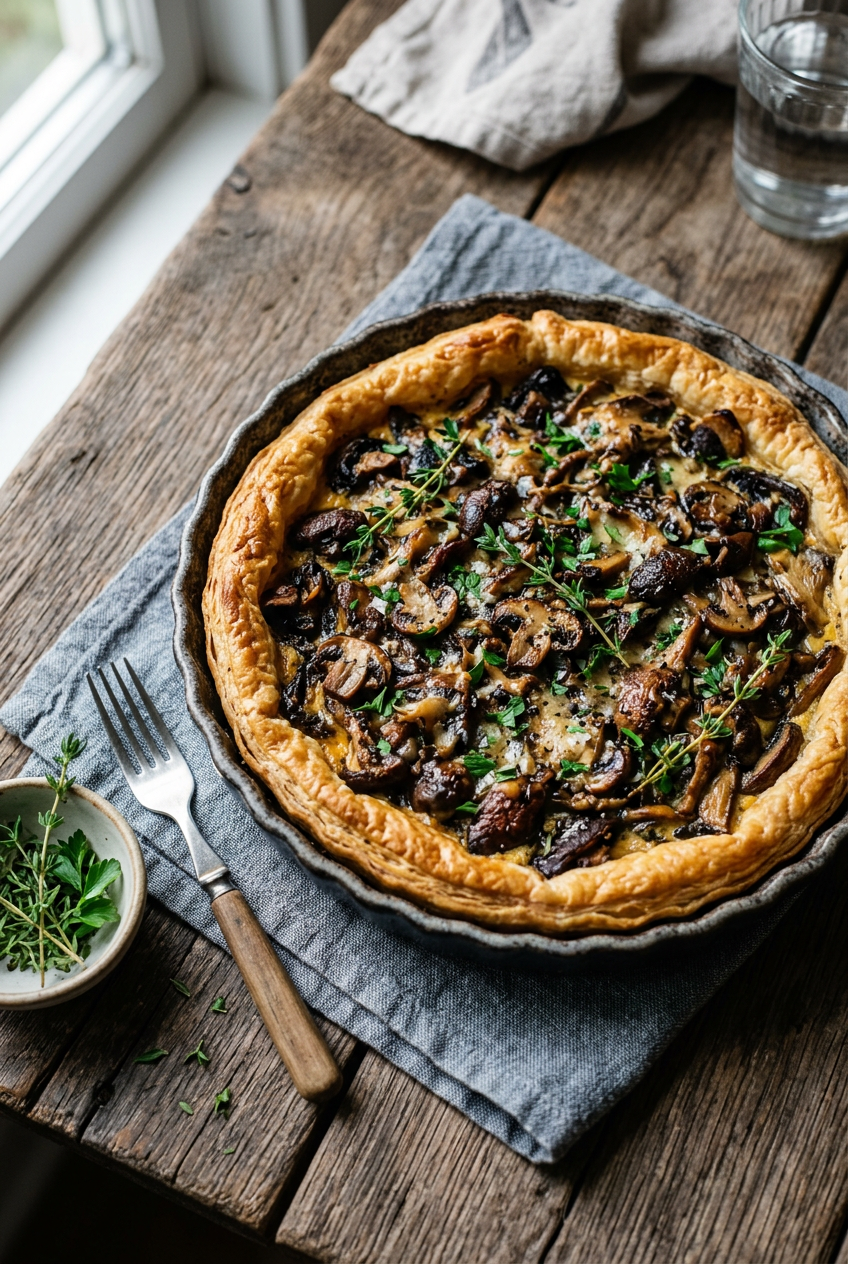
JB's French Fish Pie Recipe - Crispy Golden Crust & Creamy Seafood
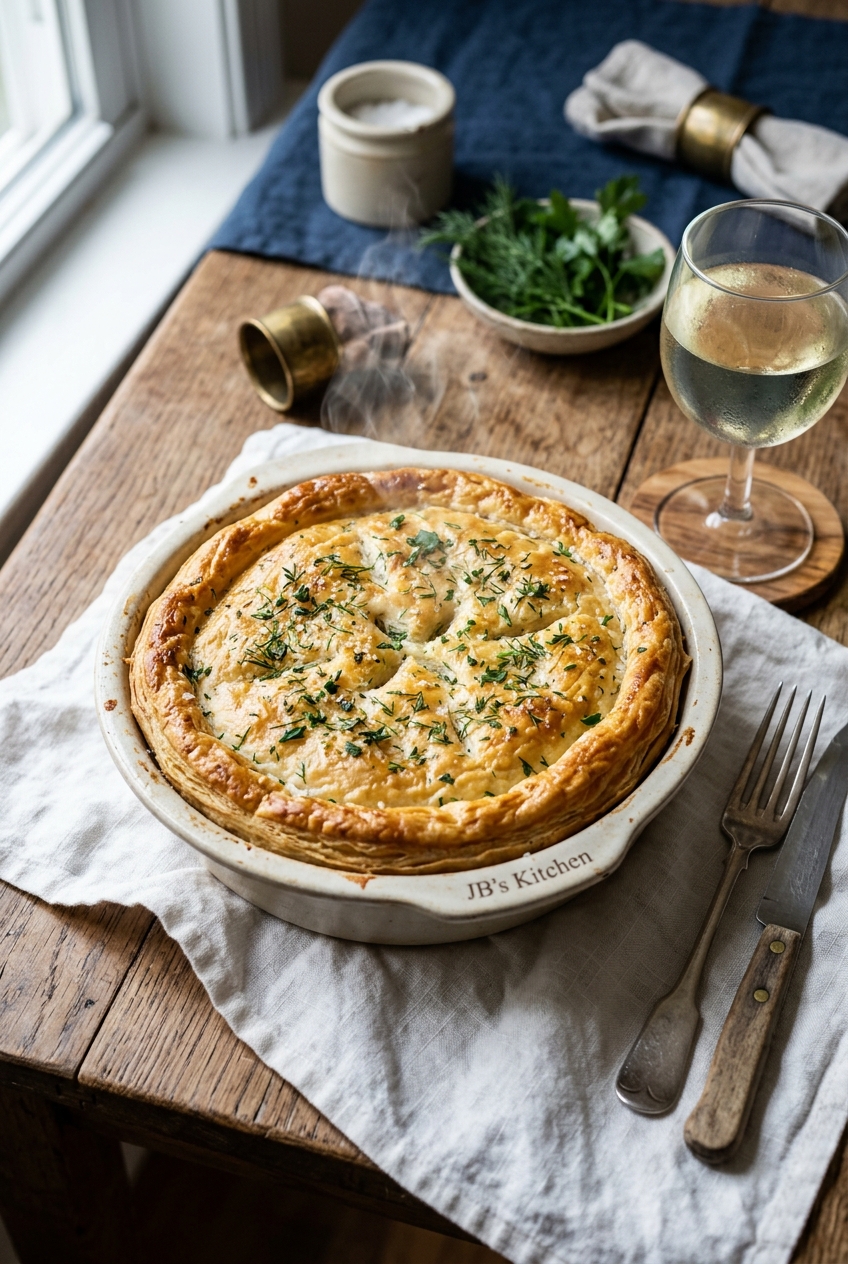
What Makes JB’s French Fish Pie So Special?
When I first discovered JB’s French fish pie recipe, I was immediately captivated by its elegance and comfort all rolled into one. There’s something magical about the combination of delicate seafood, creamy sauce, and that perfectly golden, flaky pastry crust. This isn’t just any fish pie—it’s a celebration of French culinary tradition with a modern twist that makes it accessible for home cooks like us.
What I love most about this recipe is how it brings together the best of French cooking techniques. The creamy béchamel-based sauce is infused with white wine and fresh herbs, creating layers of flavor that dance on your palate. The seafood—a beautiful trio of fish, shrimp, and scallops—is treated with respect, cooked gently to maintain its delicate texture. And then there’s that pastry crust, which requires a bit of technique but rewards you with pure, buttery perfection.
I’ve made this pie countless times, and each time I’m reminded why French cuisine has such a timeless appeal. It’s sophisticated enough for dinner parties, yet comforting enough for a special family meal. The beauty of this dish is that while it looks impressive, it’s actually quite manageable if you follow the steps carefully.
Understanding the Key Ingredients
Let me walk you through why each ingredient matters in this recipe, because understanding the ‘why’ makes you a better cook.
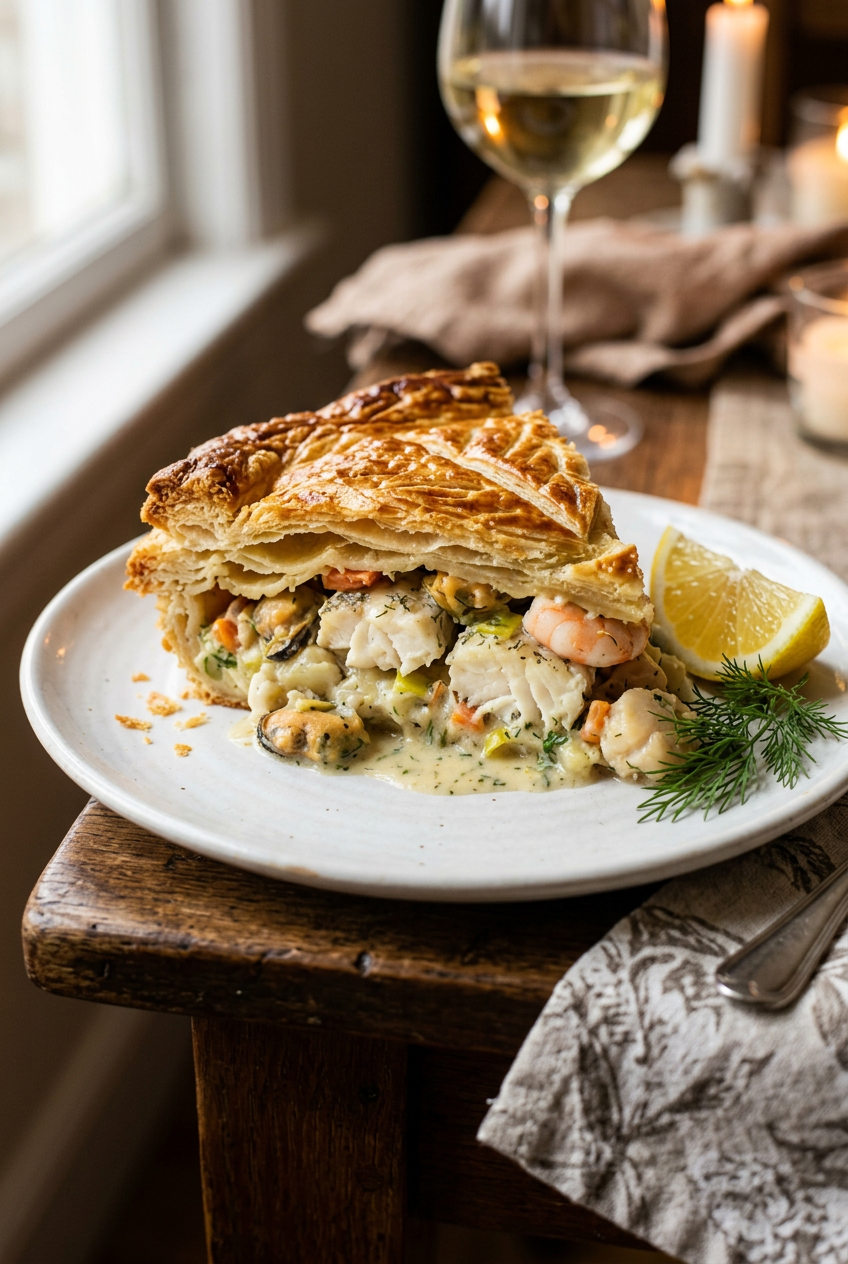
The seafood selection is crucial. I always choose the freshest fish available at my local market. White fish like cod and halibut provide a mild, delicate flavor that doesn’t overpower the sauce. Shrimp adds a subtle sweetness and beautiful color, while scallops bring an almost buttery richness. Together, they create a harmonious blend of flavors and textures.
The sauce is where the magic happens. Butter, onion, and garlic form the aromatic base—this is called a mirepoix in French cooking. The flour creates a roux, which thickens the sauce and gives it body. White wine adds acidity and complexity, cutting through the richness of the cream and cheese. I always use a decent quality wine because you can taste it in the final dish. The Gruyère cheese is essential—it’s nuttier and more flavorful than cheddar, melting beautifully into the sauce.
The pastry dough is all about technique. Cold butter is key because it creates steam pockets as it melts during baking, resulting in those beautiful, flaky layers. The ice water keeps everything cold, preventing the gluten from developing too much, which would make the pastry tough. This is why patience and proper chilling times matter so much.
Fresh herbs—thyme and parsley—add brightness and authenticity. Nutmeg might seem like an odd addition, but it’s a classic French secret that elevates the entire dish without being noticeable as a distinct flavor.
Tips for Perfect Results Every Time
I’ve learned a few tricks over the years that consistently deliver restaurant-quality results.
First, don’t skip the chilling time for the pastry. I know it’s tempting to rush, but those 30 minutes make a significant difference in the final texture. Cold dough is easier to work with and produces a flakier crust. If you’re short on time, you can chill it while preparing the filling.
Second, taste your sauce before adding the seafood. Season it properly with salt and pepper—this is your chance to adjust flavors. Remember that the cheese and seafood will add their own saltiness, so be judicious.
Third, don’t overcook the seafood. This is perhaps the most common mistake. Seafood cooks quickly, and overcooked fish becomes dry and rubbery. I add the fish first since it takes slightly longer, then the shrimp and scallops at the end. They should be just opaque when you remove from heat.
Fourth, let the filling cool before assembling. Hot filling will make the pastry soggy and difficult to work with. Plus, it’s safer to handle.
Finally, invest in an instant-read thermometer if you don’t have one. The pastry should reach an internal temperature of about 165°F (74°C) at the thickest point, and the filling should be hot throughout. This ensures everything is cooked properly.
One more thing—don’t be afraid of the pastry! Yes, it requires some technique, but it’s very forgiving. If it tears, just patch it with a small piece of dough and press gently. No one will know, and it will taste just as delicious.
Variations and Substitutions
While JB’s classic recipe is wonderful, I love experimenting with variations based on what’s available and my mood.
For a lighter version, you can use half-and-half instead of heavy cream, or even add a splash of fish stock for more seafood flavor. Some people prefer using all white fish without the shrimp and scallops—this is perfectly valid and often more budget-friendly.
If you’re not a fan of white wine, you can substitute it with dry vermouth or even omit it entirely, using more fish stock instead. The wine adds complexity, but the pie will still be delicious without it.
For the cheese, you can experiment with other French varieties like Emmental or even a mild Comté. I’ve even made it with a combination of Gruyère and a touch of Dijon mustard for extra depth.
If pastry isn’t your thing, you can top the pie with mashed potatoes instead—it becomes more of a fish shepherd’s pie, which is equally comforting. Or try a breadcrumb topping mixed with melted butter and fresh herbs for a different texture.
For vegetables, some versions include peas, mushrooms, or diced bell peppers in the filling. I personally prefer to keep the filling focused on the seafood, but these additions are traditional in some French regions.
The beauty of this recipe is its flexibility. Once you understand the basic technique, you can adapt it to your preferences and what you have on hand.
The Story Behind French Fish Pie
French fish pie, or ‘pâté en croûte’ in its most elaborate form, has deep roots in French culinary tradition. It represents the French philosophy of taking simple, quality ingredients and transforming them into something elegant through technique and care.
Historically, fish pies were a way to use fresh catches from coastal regions, particularly in Brittany and Normandy. The combination of seafood with a creamy sauce and pastry crust became a hallmark of French bistro cooking. What I find fascinating is how this dish has evolved while maintaining its essential character.
JB’s version, as I understand it, is a modern interpretation that honors these traditions while making the recipe more accessible to home cooks. It strips away some of the complexity of classical French cooking while maintaining the sophistication and flavor that makes French cuisine so beloved.
When you make this pie, you’re participating in a culinary tradition that spans centuries. You’re connecting with generations of French cooks who understood that good food comes from respecting ingredients, mastering technique, and cooking with intention. That’s what I love about this recipe—it’s not just dinner, it’s a little piece of culinary history on your table.
Ingredients
For the Filling
For the Pastry
For Assembly
Instructions
Prepare the Pastry Dough
I always start with the pastry because it needs time to chill. In a large mixing bowl, whisk together flour and salt. Add the cold, cubed butter and use a pastry cutter or your fingertips to work it into the flour until the mixture resembles coarse breadcrumbs. This is crucial for achieving that flaky, golden texture we're after. In a small bowl, whisk the egg yolk with ice water, then gradually add it to the flour mixture, stirring gently with a fork until the dough just comes together. Form it into a disk, wrap in plastic wrap, and refrigerate for at least 30 minutes while you prepare the filling.
Create the Creamy Seafood Base
Melt butter in a large saucepan over medium heat. Add the diced onion and cook for about 3-4 minutes until softened and fragrant. Stir in the minced garlic and cook for another minute. Sprinkle the flour over the mixture and whisk constantly for 2 minutes to create a roux, which will thicken our sauce beautifully. Gradually pour in the white wine while whisking to avoid lumps, then add the milk slowly, stirring continuously. Add the bay leaves and fresh thyme, bringing the sauce to a gentle simmer. Cook for 5-7 minutes until it thickens enough to coat the back of a spoon.
Cook and Combine the Seafood
Cut the white fish fillets into bite-sized pieces, about 1.5 inches. Add the fish pieces to the simmering sauce along with the shrimp and scallops. Reduce heat to low and gently poach the seafood for 4-5 minutes until just cooked through—you want tender, delicate pieces, not rubbery ones. Remove from heat and stir in the heavy cream and grated Gruyère cheese until melted and smooth. Season generously with salt, white pepper, and a pinch of nutmeg. The nutmeg is that secret ingredient that makes French cooking so special! Fold in the fresh parsley. Remove the bay leaves and let the filling cool slightly before transferring to your pie dish.
Assemble the Pie
Preheat your oven to 400°F (200°C). Butter a 9-inch (23cm) pie dish or shallow baking dish generously. Pour the cooled seafood filling into the prepared dish, spreading it evenly. Remove your chilled pastry dough from the refrigerator and let it sit at room temperature for 5 minutes to make rolling easier. On a lightly floured surface, roll the dough out to about ⅛-inch thickness, slightly larger than your pie dish. Carefully transfer the pastry to cover the filling, tucking the edges down into the dish and crimping them decoratively with a fork. This is where you can get creative and make it look restaurant-worthy!
Add the Golden Finish
Using a sharp knife, cut 3-4 small slits in the top of the pastry to allow steam to escape during baking—this prevents a soggy crust. Brush the entire surface with the beaten egg wash, which gives that beautiful golden-brown color we're after. If you're feeling fancy, sprinkle a tiny pinch of sea salt on top. Place the pie on a baking sheet (to catch any drips) and bake in the preheated oven for 30-35 minutes until the pastry is deep golden brown and crispy.
Rest and Serve
Remove the pie from the oven and let it rest for 5-10 minutes before serving. This allows the filling to set slightly, making it easier to slice and serve. The aroma at this point is absolutely incredible—your kitchen will smell like a Parisian bistro! Garnish with fresh dill and serve with lemon wedges on the side. A crisp green salad and a glass of white wine make perfect accompaniments to this elegant dish.
Nutrition Information
Per serving (serves 6). Values are approximate.
| Calories | 420 calories |
| Total Fat | 22g |
| Saturated Fat | 13g |
| Carbohydrates | 28g |
| Sugar | 3g |
| Protein | 32g |
| Sodium | 580mg |
| Fiber | 1g |
* Percent Daily Values are based on a 2,000 calorie diet. Your daily values may be higher or lower depending on your calorie needs. Nutritional information is an estimate and may vary.
Never Miss a Recipe
Join 5,000+ home cooks and get new recipes straight to your inbox.
Frequently Asked Questions
Can I make JB's French fish pie ahead of time?
Absolutely! You can assemble the entire pie up to 8 hours in advance and refrigerate it covered. Just add 5-10 minutes to the baking time if baking from cold. You can also freeze the unbaked pie for up to 3 months—bake directly from frozen, adding about 15 minutes to the cooking time. This makes it perfect for entertaining!
What type of fish works best for this recipe?
I prefer using firm white fish like cod, halibut, or haddock because they hold their shape beautifully during cooking. Avoid delicate fish like sole or flounder as they can fall apart. You can also use a combination of different white fish for more complex flavor. Some people love adding a bit of salmon for richness, which is equally delicious!
Can I use store-bought puff pastry instead of making my own?
Definitely! While homemade pastry is wonderful, store-bought puff pastry or pie crust saves time and works beautifully. Just thaw it according to package directions and use it to top your filling. The result will be just as delicious, and honestly, no one will judge you for taking this shortcut!
What should I serve with French fish pie?
I love pairing this with a crisp green salad dressed with Dijon vinaigrette, steamed asparagus, or roasted baby potatoes. A chilled glass of Sauvignon Blanc or Chablis complements the seafood beautifully. For a lighter meal, just serve with a simple arugula salad and fresh lemon wedges.
How do I prevent a soggy bottom crust?
The key is baking on a preheated baking sheet, which provides direct heat to the bottom of the pie. Also, make sure your filling isn't too wet—if it seems soupy, simmer it a bit longer before assembling. Some bakers like to brush the pastry with a thin layer of egg white before adding the filling as an extra barrier against moisture.

Hi, I'm Lisa!
I create simple, tested recipes from around the world that anyone can make at home.
Learn More →Reader Reviews
Based on 247 reviews