Desserts & Baking
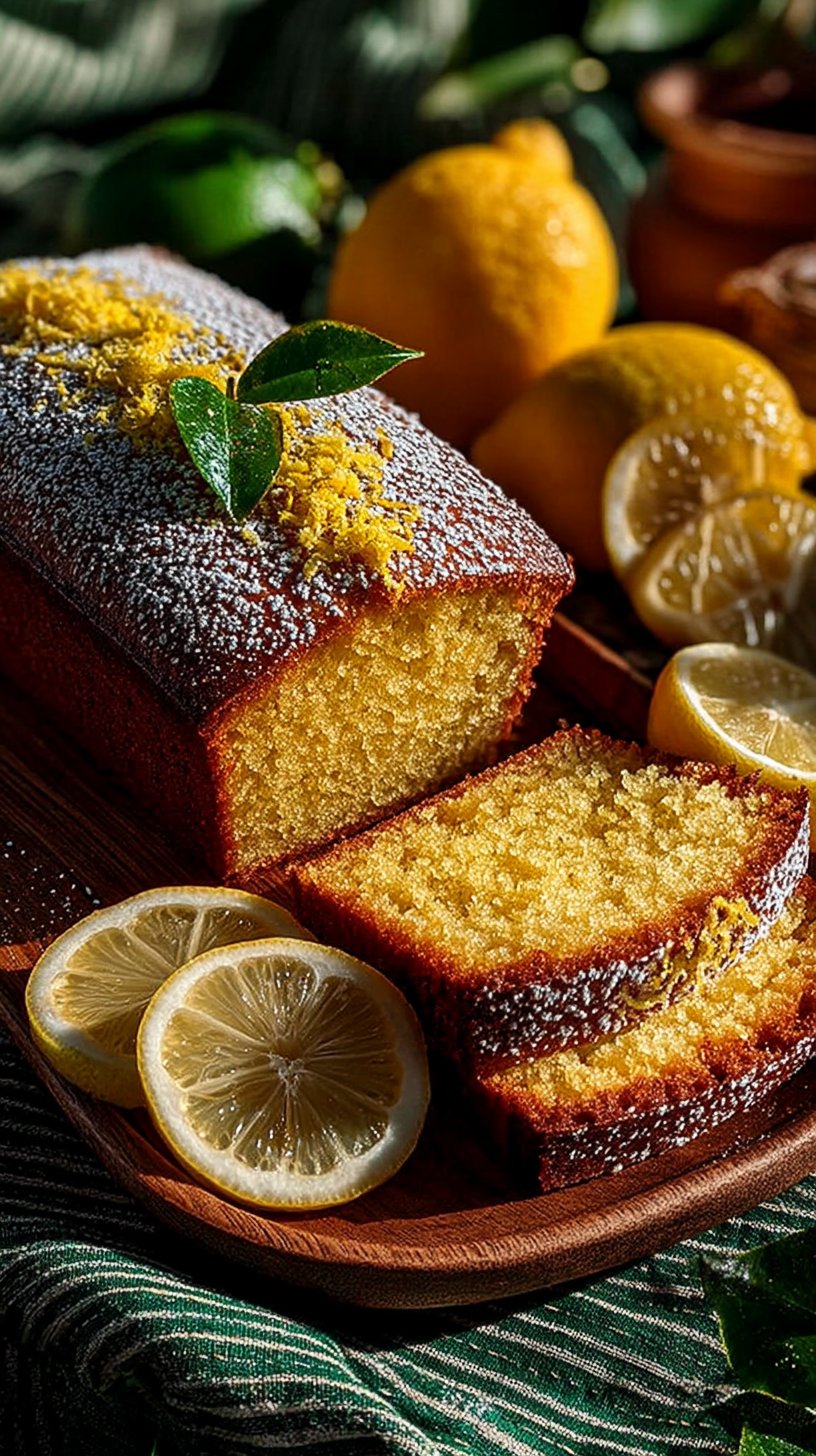
Lemon Olive Oil Cake Recipe: Light, Citrusy & Absolutely Divine
Discover this stunning lemon olive oil cake recipe featuring bright citrus flavors and silky crumb. A Mediterranean-inspired dessert that's surprisingly easy to make.

Why I’m Obsessed with This Lemon Olive Oil Cake
Let me tell you, when I first discovered this combination, it completely changed my dessert game. I’ve spent years exploring world cuisines, and there’s something magical about how Mediterranean ingredients come together in the most unexpected ways. This lemon olive oil cake is one of those beautiful accidents that happened during my culinary wandering. I was in Southern France, tasting this incredible olive oil at a local market, and the vendor casually mentioned they used it in their desserts. My eyes widened. In my kitchen back home, I spent weeks developing this recipe, and now? It’s one of my absolute favorites to share with friends.
What makes this cake so special isn’t just one thing—it’s the beautiful harmony of bright citrus against the rich, fruity notes of quality olive oil. Unlike traditional butter cakes that can feel heavy, this one has an incredibly tender crumb and a subtle sophistication. The olive oil doesn’t make it taste like salad dressing (a concern I hear often!). Instead, it adds a luxurious mouthfeel and allows the lemon flavor to really shine without any competing richness.
I think what I love most is how simple it is to make. There’s no creaming butter, no temperamental meringues, no complicated techniques. Just straightforward mixing that comes together in your kitchen in under an hour. It’s the kind of dessert that makes you feel fancy without the stress.
The Story Behind Mediterranean Baking
Growing up, I was fascinated by how different cultures use their signature ingredients in creative ways. In Mediterranean countries—think Greece, Italy, Spain, and Southern France—olive oil isn’t just for cooking savory dishes. It’s woven into their baking traditions, creating cakes and pastries that are distinctly different from what I grew up eating in the States.
When you travel through these regions, you start to understand that good olive oil is almost sacred. It’s treated with respect, stored carefully, and absolutely never wasted. Using premium olive oil in a cake might seem extravagant, but it’s actually a beautiful way to honor the ingredient and create something truly memorable. Every bite carries the essence of those sun-drenched Mediterranean orchards.
This particular recipe draws inspiration from traditional Greek and Italian olive oil cakes, but with my own twist using bright, punchy lemon as the star flavor. The combination creates something that feels both elegant and approachable—perfect for weeknight dessert or a special occasion gathering.
Ingredient Deep Dive: Why Each Component Matters
I’m someone who believes that understanding your ingredients transforms you into a better cook. So let me walk you through what makes each component special in this lemon olive oil cake.
Starting with the olive oil—this is the star of the show. Extra-virgin olive oil contains hundreds of flavor compounds that contribute subtle, fruity notes to the cake. When you bake with it, these compounds don’t disappear; they infuse the crumb with a sophisticated flavor that regular butter simply can’t provide. The fat molecules in olive oil are also slightly different from butter, creating a more delicate, tender texture.
Lemon is obviously crucial here. I use both fresh lemon juice and zest because they contribute different flavor profiles. The juice adds brightness and acidity (which actually helps activate your baking soda), while the zest provides those intense, aromatic citrus oils that make the cake smell incredible. I always recommend zesting your lemons before juicing them—much easier!
The eggs in this recipe do so much more than just bind ingredients together. They provide structure, contribute to the tender crumb, and help the cake rise beautifully in the oven. Room-temperature eggs incorporate more easily and create a more cohesive batter, which is why I always take them out of the fridge about 30 minutes before baking.
Milk might seem like a small addition, but it’s actually essential. It adds moisture that keeps the cake from drying out while also helping distribute those bright lemon flavors more evenly throughout the crumb. I prefer using whole milk for richness, but 2% works perfectly fine too.
Finally, the leavening agents—baking powder and baking soda—work together to create lift and a tender crumb structure. The baking soda reacts with the acidity of the lemon juice to create carbon dioxide bubbles, while the baking powder provides additional lift during baking. Both are essential for the right texture.
Tips and Tricks for Baking Success
After countless hours in the kitchen testing and refining this recipe, I’ve picked up several tricks that I’m excited to share with you. These little adjustments can be the difference between a good cake and an absolutely outstanding one.
First, always bring your eggs to room temperature. This might seem fussy, but it genuinely makes a difference in how the batter comes together. Room-temperature eggs create a more stable emulsion with the oil, resulting in a more uniform crumb structure. Set them on the counter for 30 minutes before you start baking.
Second, invest in a zester. A microplane zester is my absolute favorite kitchen tool for this recipe. It removes only the colored part of the peel (avoiding the bitter white pith) and creates beautiful, fine zest that distributes evenly throughout the batter.
Third, don’t skip the parchment paper lining your pan. It ensures your cake releases cleanly and you can actually see that beautiful golden exterior on all sides. Plus, it makes cleanup infinitely easier!
Fourth, resist the urge to open the oven door while your cake is baking. I know it’s tempting, but those temperature fluctuations can disrupt the delicate rising process. Let it bake undisturbed, then check for doneness near the end of the recommended time.
Finally, allow your cake to cool completely before serving. I know patience is hard, but the flavors actually improve and deepen as it cools. Plus, a warm cake can fall apart when you try to slice it. Cool it in the pan for 10-15 minutes, then turn it out onto a wire rack for complete cooling—usually about an hour.
Serving Suggestions and Flavor Pairings
One of my favorite things about this cake is how versatile it is. While it’s absolutely delicious on its own with just a dusting of powdered sugar, there are so many wonderful ways to serve it.
For a simple weeknight dessert, I’ll often pair slices with Greek yogurt, which adds tangy creaminess that complements the bright lemon beautifully. If you want something more decadent, whipped cream is always classic and luxurious. I sometimes add a touch of honey to my whipped cream to enhance the Mediterranean vibe.
If you’re feeling more adventurous, try serving it with a drizzle of honey and a scattering of toasted nuts—pistachios or almonds work wonderfully. The nuttiness adds another layer of complexity to the flavor profile.
For special occasions, I love making a light lemon glaze with powdered sugar and fresh lemon juice, drizzling it over the cooled cake for an elegant presentation. It firms up slightly and creates a beautiful finish.
Ice cream lovers should definitely try pairing this with vanilla ice cream or lemon ice cream for a simple but impressive dessert. The cold ice cream against the tender cake is absolutely divine.
For brunch settings, I’ll slice this cake and serve it with fresh berries and a cappuccino. It’s sophisticated enough for entertaining but approachable enough for family gatherings. The beautiful thing about this cake is that it works equally well at 3 PM with coffee as it does at 8 PM after dinner.
Ingredients
Dry Ingredients
Wet Ingredients
For Serving
Instructions
Prepare Your Pan
Preheat your oven to 350°F (175°C). I always grease a 9-inch (23cm) round cake pan or loaf pan generously with butter or cooking spray, then line the bottom with parchment paper. This extra step ensures your cake releases beautifully every single time. Trust me, I've had enough stuck cakes in my kitchen adventures to learn this lesson the hard way!
Whisk Dry Ingredients
In a medium bowl, whisk together the flour, baking powder, baking soda, and sea salt. Set this mixture aside. Whisking rather than just stirring helps incorporate air and ensures even distribution of your leavening agents, which makes for that tender, delicate crumb we're after in this cake.
Combine Wet Ingredients
In a large bowl, whisk together the olive oil and granulated sugar until well combined—about 1-2 minutes. The mixture should look slightly lighter and combined. Add your room-temperature eggs one at a time, whisking thoroughly after each addition. Once all eggs are incorporated, stir in the fresh lemon juice and that gorgeous lemon zest. The mixture will smell absolutely incredible at this point!
Fold in Dry Mix
Gently fold the dry ingredient mixture into the wet ingredients using a spatula or wooden spoon. Fold just until the flour is incorporated—don't overmix, as this can develop the gluten and make your cake tough rather than tender. A few lumps are perfectly fine and will disappear during baking. This gentle folding technique is key to achieving that light, fluffy texture.
Add the Milk
Pour the milk into the batter and fold gently until just combined. The batter will seem slightly loose, but this is exactly what we want. The moisture from the milk contributes to that tender crumb and helps the bright lemon flavor really shine through without drying out the cake.
Bake Until Golden
Pour the batter into your prepared pan and smooth the top with a spatula. Bake for 32-38 minutes, until a toothpick inserted into the center comes out with just a few moist crumbs attached. The top should be golden brown. Your kitchen will smell like a Mediterranean dream at this point. Allow the cake to cool in the pan for 10-15 minutes, then turn it out onto a wire rack to cool completely.
Dust & Serve
Once completely cooled, dust the top with powdered sugar and garnish with fresh lemon slices if desired. I love serving this cake with a dollop of whipped cream or tangy Greek yogurt on the side. It's perfect for a simple weeknight dessert or elegant enough for a dinner party gathering.
Nutrition Information
Per serving (serves 12). Values are approximate.
| Calories | 280 calories |
| Total Fat | 14g |
| Saturated Fat | 2.5g |
| Carbohydrates | 35g |
| Sugar | 24g |
| Protein | 4g |
| Sodium | 320mg |
| Fiber | 0.5g |
* Percent Daily Values are based on a 2,000 calorie diet. Your daily values may be higher or lower depending on your calorie needs. Nutritional information is an estimate and may vary.
Never Miss a Recipe
Join 5,000+ home cooks and get new recipes straight to your inbox.
Frequently Asked Questions
Can I use bottled lemon juice instead of fresh?
While fresh lemon juice is always my preference for the brightest, most authentic flavor, bottled juice will work in a pinch. However, I'd recommend using about 20% less since bottled juice can sometimes taste more concentrated and acidic. Fresh is really worth the extra squeeze, though—it makes such a difference in the final taste!
What type of olive oil should I use?
Extra-virgin olive oil is my go-to choice because of its rich, fruity flavor that actually complements the lemon beautifully. Avoid using light or 'pure' olive oil, as it's more processed and won't give you that lovely depth of flavor. A good quality extra-virgin olive oil isn't just for dressing salads—it's a secret weapon in baking!
How should I store this cake?
This lemon olive oil cake stays fresh and moist for 3-4 days when stored in an airtight container at room temperature. You can also wrap it tightly in plastic wrap and refrigerate it for up to 5 days. I wouldn't recommend freezing the finished cake, but you can freeze the batter for up to a month if you'd like to bake it later.
Can I make this recipe into cupcakes?
Absolutely! Divide the batter evenly among 18-20 cupcake liners in a muffin tin. Reduce the baking time to 18-22 minutes until a toothpick comes out clean. These make perfect individual portions and are wonderful for sharing with friends or family.
Is this cake naturally gluten-free?
This particular recipe uses all-purpose wheat flour, so it's not naturally gluten-free. However, you can experiment with a 1:1 gluten-free flour blend as a substitution. Keep in mind that the texture might be slightly different, and you may need to adjust liquid quantities slightly since gluten-free flours absorb moisture differently.

Hi, I'm Lisa!
I create simple, tested recipes from around the world that anyone can make at home.
Learn More →Reader Reviews
Based on 395 reviews
Leave a Review
You Might Also Like

Desserts & Baking
Scoopable Brown Butter Chocolate Chip Cookies
Desserts & Baking
Lemon Ricotta Pancakes with Blueberry Sauce
Desserts & Baking
Brown Butter Strawberry Baked Oatmeal Recipe
Desserts & Baking