Soups & Comfort Food
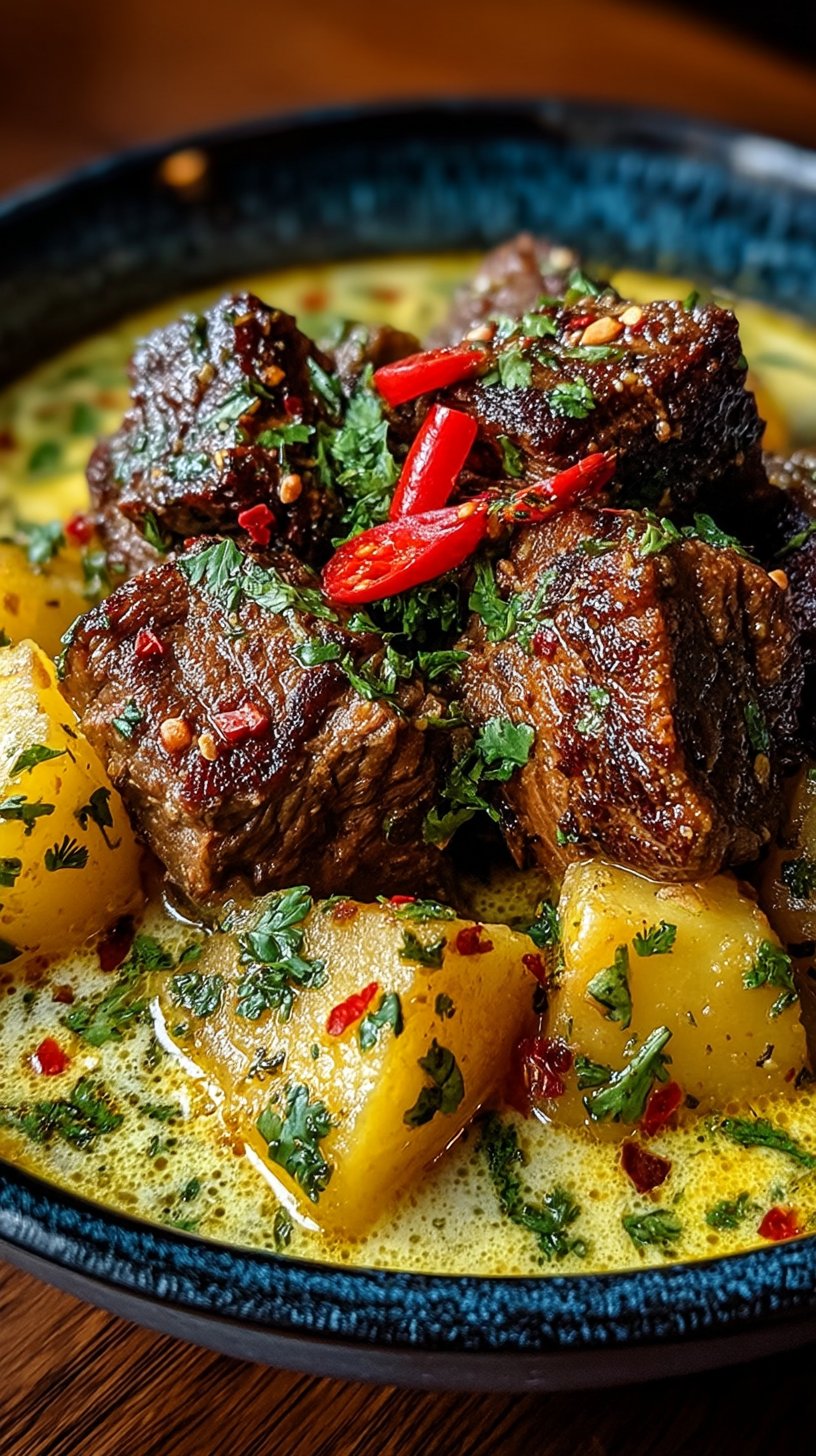
Slow-Cooker Curried Beef Stew
Discover my slow-cooker curried beef stew recipe featuring tender beef, aromatic spices, and warm curry flavors. Perfect comfort food!
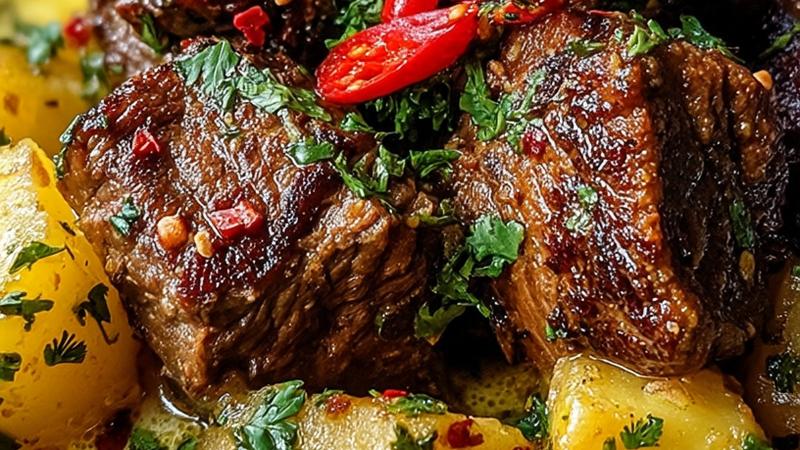
Why I’m Obsessed With This Slow-Cooker Curried Beef Stew
I first discovered curry-infused stew during a backpacking trip through Thailand and India about five years ago. I remember sitting in a small family-run restaurant in Chiang Mai, watching a woman effortlessly combine spices and slow-braised meat into something that transported me. When I returned home, I was determined to recreate that magic in my own kitchen. This slow-cooker version became my answer to wanting restaurant-quality curry without the fuss or the hours of active cooking time.
What makes this recipe special to me is how it bridges cultures. You’ve got the slow-cooking tradition beloved in American comfort food, combined with the aromatic spice profiles of South Asian and Southeast Asian cuisines. It’s proof that great food doesn’t need to fit into a single cultural box—it can borrow the best from everywhere.
The slow-cooker method is honestly a game-changer. Unlike traditional stovetop stewing that requires constant attention, you sear the beef, layer everything in, and walk away. The low, gentle heat over 8 hours creates beef so tender it practically dissolves on your tongue, while the spices have ample time to infuse every bite. The coconut milk transforms into a luxurious sauce that’s neither too rich nor too light.
Understanding the Spice Blend
Let me break down what makes the spice combination so incredible. Curry powder is the foundation—it’s already a blend of turmeric, fenugreek, coriander, cumin, and other spices that work in harmony. When you bloom it in oil with garlic and ginger, you’re activating compounds that make your taste buds sing.
Ginger adds warming heat and subtle spiciness without being aggressive. Ground cumin brings earthy, nutty notes that ground the dish. Coriander adds a delicate citrus note that brightens everything. The cayenne pepper is optional but adds a gentle kick. And here’s something unconventional that I love—the cinnamon stick. In traditional Indian and Pakistani cooking, cinnamon is used in savory dishes more often than we realize in Western cuisine. It adds warmth and a subtle sweetness that doesn’t announce itself but creates depth you can’t quite identify.
The apple cider vinegar is crucial too. It adds subtle sweetness and acidity that balances the rich coconut milk and fatty beef. It’s not meant to taste vinegary—it’s meant to be a background note that makes all the other flavors pop. This is something I learned from cooking Indian cuisine: a small amount of acid at the end can completely elevate a dish.
The Importance of Searing Your Beef
I know some people skip the searing step when using a slow-cooker, thinking it’s an unnecessary extra step. Please don’t do that! I’ve tested this recipe both ways, and the difference is remarkable. Searing the beef creates a caramelized crust through something called the Maillard reaction—essentially, the browning of proteins and sugars creates complex flavors that simply don’t develop when you dump raw meat into a slow-cooker.
When you sear the beef cubes, you’re building a flavor foundation that carries through the entire 8-hour cooking process. The meat develops depth and richness that makes people say, “Wow, what is that amazing flavor?” even though they can’t quite identify what’s different. That’s the power of the Maillard reaction.
I recommend cutting your beef into 1.5-inch cubes—small enough to cook through evenly, but large enough that they don’t fall apart during the long simmer. And don’t skip browning in batches. If you crowd the pan, you’ll steam the meat instead of searing it. Each batch should spend 3-4 minutes undisturbed on each side in hot oil.
Vegetable Choices and Timing
I’ve chosen potatoes, carrots, and red bell pepper for this recipe because they hold their shape well during the long cooking process and add wonderful texture variety. Potatoes absorb the curry flavors beautifully and become creamy. Carrots add natural sweetness and become melt-in-your-mouth tender. The red bell pepper adds brightness and slight sweetness.
One thing I love about slow-cooker cooking is that you don’t need to add vegetables at different times like you would on the stovetop. Everything goes in at once, and the low heat gentles cooks everything to perfection. The potatoes and carrots need the full cooking time to become tender, while the bell pepper is flexible—by hour 8, it’s soft but still maintains some structure.
If you want to customize this, consider adding sweet potato for a different texture and flavor, or including fresh peas in the last 30 minutes for a pop of color and freshness. You could add cauliflower for extra vegetables, or even chickpeas for a heartier, plant-forward twist. The beauty of this base recipe is its flexibility.
Coconut Milk: The Secret to Silky Richness
Coconut milk is absolutely essential to this recipe, and I never use the low-fat version. Full-fat coconut milk (usually around 14 oz/400ml cans) creates a luxurious sauce that coats the beef and vegetables beautifully. The fat isn’t something to fear—it’s what gives the stew its signature silky mouthfeel and carries the flavor compounds of the spices.
When you combine coconut milk with beef broth in a 1:1 ratio, you get the perfect balance. Too much coconut milk makes the stew feel heavy; too little and it becomes more like a soup. This balance creates something that’s creamy and luxurious without being overwhelming. As the stew cooks, the fat from the beef and the coconut milk emulsify into the broth, creating a cohesive sauce rather than separated layers.
Always shake or stir your canned coconut milk before opening—the thick cream naturally separates from the liquid during storage. You want both components mixed together for the best results. If you’ve opened a can and only used part of it, the remaining coconut milk will keep in the refrigerator for about 3-4 days in an airtight container.
Make-Ahead and Meal Prep Tips
This is one of my favorite recipes for meal prep because it’s so forgiving and actually tastes better the next day. You can prep all your ingredients the night before—diced vegetables in containers, beef cubed and ready to go. You can even sear the beef the evening before and store it in the refrigerator. Some mornings, I literally just layer everything into my slow-cooker insert, pop it into the base, and leave for work.
The flavor development in this stew actually continues overnight. When you refrigerate it and reheat it the next day, all the spices have had time to fully permeate the beef and vegetables. Many people tell me it’s their favorite meal on day two or three, not day one. This makes it perfect for batch cooking—make a double batch and enjoy it throughout the week.
For freezing, I recommend portioning the stew into individual containers or freezer bags. It freezes beautifully for up to 3 months. When you’re ready to eat, thaw it overnight in the refrigerator and reheat gently on the stovetop. I often have a few portions frozen for nights when I didn’t plan ahead or want something familiar and comforting.
Serving Suggestions and Variations
While this stew is absolutely delicious on its own, I love serving it with basmati rice, which is traditional and absorbs the curry sauce beautifully. Some people prefer naan bread for dipping, and honestly, warm naan soaking up this sauce is absolutely divine. Cauliflower rice is a wonderful lower-carb option if you’re looking for something lighter.
For toppings, fresh cilantro is non-negotiable—it adds brightness and freshness that cuts through the richness. Roasted cashews add a luxurious crunch and subtle sweetness. A lime wedge at the end is essential; the bright acidity transforms the entire dish and prevents it from feeling too heavy.
Some variations I’ve enjoyed: adding spinach or kale in the last 30 minutes for extra greens, using lamb instead of beef for a more traditional curried meat experience, or adding chickpeas alongside the beef for a heartier, more plant-forward meal. I’ve even made a vegetarian version using extra vegetables and chickpeas, and it’s equally satisfying. The spice blend is so versatile that it works with virtually any protein and vegetable combination you prefer.
Ingredients
Main Ingredients
Vegetables & Liquid
Garnish & Serving
Instructions
Sear the Beef
Heat vegetable oil in a large skillet over medium-high heat. Working in batches to avoid overcrowding, sear the beef cubes for 3-4 minutes per side until golden brown. This crucial step locks in the juices and develops deep, savory flavors. Transfer the seared beef to your slow-cooker insert. Don't worry about cooking it through—that happens during the long, gentle braising process.
Bloom Your Spices
In the same skillet, add the diced onion and cook for 3-4 minutes until softened. Add minced garlic and cook for another minute until fragrant. Now comes the magic—add your curry powder, ginger, cumin, coriander, and cayenne pepper. Stir continuously for about 2 minutes to bloom these aromatics in the residual oil. This technique releases the essential oils and deepens their complex flavors, transforming simple spices into something truly extraordinary.
Deglaze the Pan
Add the tomato paste to the spice mixture and stir well, coating everything evenly. Pour in the beef broth, scraping the bottom of the skillet with a wooden spoon to capture all those caramelized bits—liquid gold! Add the apple cider vinegar for subtle sweetness and acidity. Once combined, pour this entire aromatic mixture into the slow-cooker with your seared beef.
Add Vegetables & Aromatics
Layer the potatoes, carrots, and red bell pepper into your slow-cooker. Stir in the coconut milk, which creates a creamy, luxurious sauce while adding authentic depth. Season with salt and black pepper to taste. Add the bay leaves and cinnamon stick—I know cinnamon in savory stew might seem unconventional, but it's a beautiful touch I picked up while traveling through Southeast Asia. It adds warmth and subtle sweetness that balances the curry spices perfectly.
Slow Cook Low & Slow
Cover your slow-cooker and set it to LOW heat for 8 hours, or HIGH for 4 hours if you're pressed for time. I prefer the 8-hour low setting because it allows the beef to become incredibly tender and all the flavors to meld into something harmonious. Around the 6-hour mark, give everything a gentle stir if you'd like, but honestly, slow-cookers do their best work when left undisturbed. The beauty of this method is that you can set it in the morning and come home to dinner ready.
Taste & Adjust
About 30 minutes before serving, taste your stew. The flavors should be rich, aromatic, and well-balanced. If you'd like more curry punch, add an extra teaspoon of curry powder. Too spicy? A splash more coconut milk will mellow things out. Some prefer their stew brothier, others thicker—adjust the consistency by removing the lid for the last 20-30 minutes if you want it to reduce, or leave it covered if you love the generous sauce.
Remove Bay Leaves & Cinnamon
Before serving, fish out and discard the bay leaves and cinnamon stick. These aromatics have given their gifts to your stew and aren't meant to be eaten. Take a moment to admire the gorgeous golden-brown color and incredible aroma wafting from your slow-cooker—you've created something truly special.
Serve with Garnish
Ladle your curried beef stew into bowls and top with fresh cilantro and crushed roasted cashews. A squeeze of lime juice brightens everything beautifully. Serve over steamed basmati rice if desired, or enjoy it as-is. This stew actually tastes even better the next day after flavors have had time to deepen, making it perfect for meal prep and entertaining guests.
Nutrition Information
Per serving (serves 6). Values are approximate.
| Calories | 380 calories |
| Total Fat | 18g |
| Saturated Fat | 8g |
| Carbohydrates | 28g |
| Sugar | 6g |
| Protein | 32g |
| Sodium | 650mg |
| Fiber | 4g |
* Percent Daily Values are based on a 2,000 calorie diet. Your daily values may be higher or lower depending on your calorie needs. Nutritional information is an estimate and may vary.
Never Miss a Recipe
Join 5,000+ home cooks and get new recipes straight to your inbox.
Frequently Asked Questions
Can I make this recipe in a regular oven instead of a slow-cooker?
Absolutely! Transfer your prepared stew ingredients to a Dutch oven, cover it, and bake at 325°F (160°C) for about 3-4 hours until the beef is fork-tender. Check it occasionally and stir gently. The results are equally delicious—I actually grew up making this in my mom's oven before slow-cookers became a staple in my kitchen. Both methods yield tender, flavorful beef and beautifully cooked vegetables.
What type of curry powder should I use?
I recommend a mild to medium curry powder blend for this recipe. My go-to is a quality Indian curry powder that contains turmeric, fenugreek, coriander, and other spices. If you prefer more heat, use a spicy blend or add extra cayenne pepper. Some people enjoy making their own curry powder blend by toasting individual spices—it's a wonderful project! Just avoid curry pastes for this recipe, as they can be too concentrated and might overwhelm the other flavors.
Can I substitute the beef chuck with another cut?
Yes! I've had great success with beef brisket, short ribs, or even oxtail (which creates an incredibly rich broth). Avoid lean cuts like sirloin, as they become tough with prolonged slow-cooking. Chuck remains my favorite because it has the perfect ratio of meat to marbling—the fat melts during cooking, creating that silky, luxurious texture. If using short ribs, add an extra 1-2 hours to the cooking time for optimal tenderness.
Is this dish spicy? Can I make it milder?
This recipe is moderately spiced—flavorful but not fiery. The heat comes primarily from the cayenne pepper and curry powder. To make it milder, simply reduce the cayenne to ¼ teaspoon or omit it entirely. You could also use a milder curry powder blend. The coconut milk naturally balances heat, and a squeeze of lime juice at the end adds brightness without adding spice. Feel free to adjust according to your family's preferences—cooking is about making food you love!
How should I store and reheat leftovers?
This stew stores beautifully in the refrigerator for up to 4 days in an airtight container. You can also freeze it for up to 3 months—I freeze mine in individual portions for quick meals. To reheat, thaw overnight in the fridge if frozen, then warm gently on the stovetop over medium heat, stirring occasionally. Add a splash of broth if it's thickened too much during storage. The flavors actually deepen and improve after a day or two, making this perfect for meal prep!

Hi, I'm Lisa!
I create simple, tested recipes from around the world that anyone can make at home.
Learn More →Reader Reviews
Based on 388 reviews