Quick & Easy
The Best Guacamole (Simple, Fresh, Restaurant-Quality)
Master the art of restaurant-quality guacamole at home. This simple, fresh recipe uses just 5 ingredients for perfectly creamy results every time.
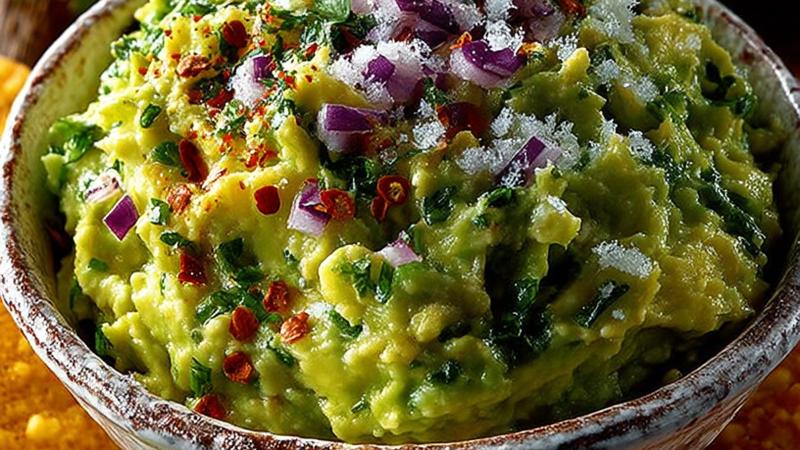
Why This Guacamole Recipe Is Different
I’ve made guacamole at least a hundred times—for casual weeknight tacos, dinner parties, game day spreads, and everything in between. What I’ve learned is that restaurant-quality guacamole isn’t about fancy techniques or unusual ingredients. It’s about respecting what you have and executing the fundamentals perfectly. This recipe strips away any complexity and focuses on what matters: perfectly ripe avocados, fresh lime juice, good salt, and aromatic additions that complement rather than overwhelm. When you taste this guacamole next to store-bought versions, you’ll immediately notice the difference. The avocado flavor shines through, the lime brightens everything, and the fresh cilantro gives it that authentic Mexican touch that makes people ask for your recipe.
Selecting the Perfect Avocados
This is where everything starts, honestly. I spend a few extra moments in the produce section choosing my avocados because they make or break the final dish. Look for avocados with deep green skin, and most importantly, do the gentle squeeze test. If you’re planning to make guacamole in two days, choose slightly firmer ones. If you’re making it today, choose the softer ones. I always buy one or two extra avocados because sometimes one will have a brown pit (which indicates over-ripeness) when you cut it open. When you cut into your avocado, the flesh should be bright green, not brown or black. The pit should come out cleanly without resistance. I use a spoon to scoop out the flesh rather than a knife—it’s gentler and prevents bruising the delicate fruit.
The Lime Juice Game-Changer
Fresh lime juice is non-negotiable in my guacamole. I always use fresh limes, never bottled lime juice, because the flavor difference is genuinely significant. Lime juice does two things: it adds brightness and acidity that makes the avocado flavor more pronounced, and it prevents oxidation that turns guacamole brown. When I’m teaching someone to make guacamole for the first time, I always emphasize this step. Roll your lime on the counter before cutting it—this breaks down the internal membranes and releases more juice. Cut it in half and juice it directly over the avocado, squeezing firmly. If your lime seems dry, microwave it for 10 seconds first. The acid-to-avocado ratio in this recipe has been tested countless times, and I promise it’s balanced perfectly for both flavor and preservation.
Texture: The Secret Most People Get Wrong
I’ve noticed that homemade guacamole often fails because people either mash it too much or too little. Too smooth and it feels processed and less appealing. Too chunky and it doesn’t hold together properly. Using a fork instead of a blender or food processor gives you natural control. You want what I call ‘rustic creamy’—mostly smooth with small chunks of avocado visible throughout. This is what restaurants aim for because it looks authentic and feels luxurious on your tongue. As you mash, think about how it’ll look on a chip or in a taco. You want people to see and taste individual avocado pieces, not a uniform paste.
Fresh Ingredients: The Flavor Foundation
The beauty of this guacamole is in its simplicity and the quality of fresh ingredients. Red onion adds a sharp bite that contrasts beautifully with creamy avocado. Cilantro is essential—it’s what makes this taste authentically Mexican rather than just mashed avocado. That grassy, slightly citrusy flavor is unmistakable. The jalapeño adds heat, but it should be subtle unless you’re heat-sensitive. Mince it finely so the heat distributes evenly. Tomato comes last because it contains water, and adding it too early makes your guacamole watery. Fresh, ripe tomatoes are ideal, but honestly, even so-so tomatoes work fine since they’re just an accent. I always taste as I go, adjusting seasonings and ingredient proportions based on the specific ingredients I’m using that day.
Storage and Serving Tips
For serving at a party, I make guacamole no more than an hour before guests arrive. I keep it in a bowl covered with plastic wrap pressed directly onto the surface. This prevents browning and keeps it fresh-tasting. If you’re serving alongside chips, arrange them around the bowl rather than mixing them in—this prevents sogginess. I’ve found that the guacamole actually tastes better when served at room temperature rather than cold, so I take it out of the fridge 10-15 minutes before serving. For storage, keep any leftovers in an airtight container with plastic wrap pressed onto the surface, then seal the lid. It’ll keep for about a day, though honestly, it rarely lasts that long in my house. The lime juice is crucial for keeping it green—the more lime juice you use, the longer it stays fresh.
Why I Love Making Guacamole
Beyond just being delicious, there’s something deeply satisfying about making guacamole. It’s one of those recipes where you can taste the quality of your ingredients in every bite. There’s no hiding behind complex cooking techniques or heavy sauces. It’s just good ingredients treated with respect. When someone asks me for my guacamole recipe at a party, I love that moment—it means I’ve created something they enjoyed enough to want to replicate. I always encourage them to make it themselves rather than buy pre-made. The difference between homemade and store-bought is remarkable. You’re in complete control of ripeness, freshness, and flavor. Plus, making guacamole takes ten minutes. There’s no excuse not to make it fresh. This recipe has become my go-to because it works every single time, impresses every single person, and makes me feel like I’m sharing a piece of authentic food culture with the people I care about.
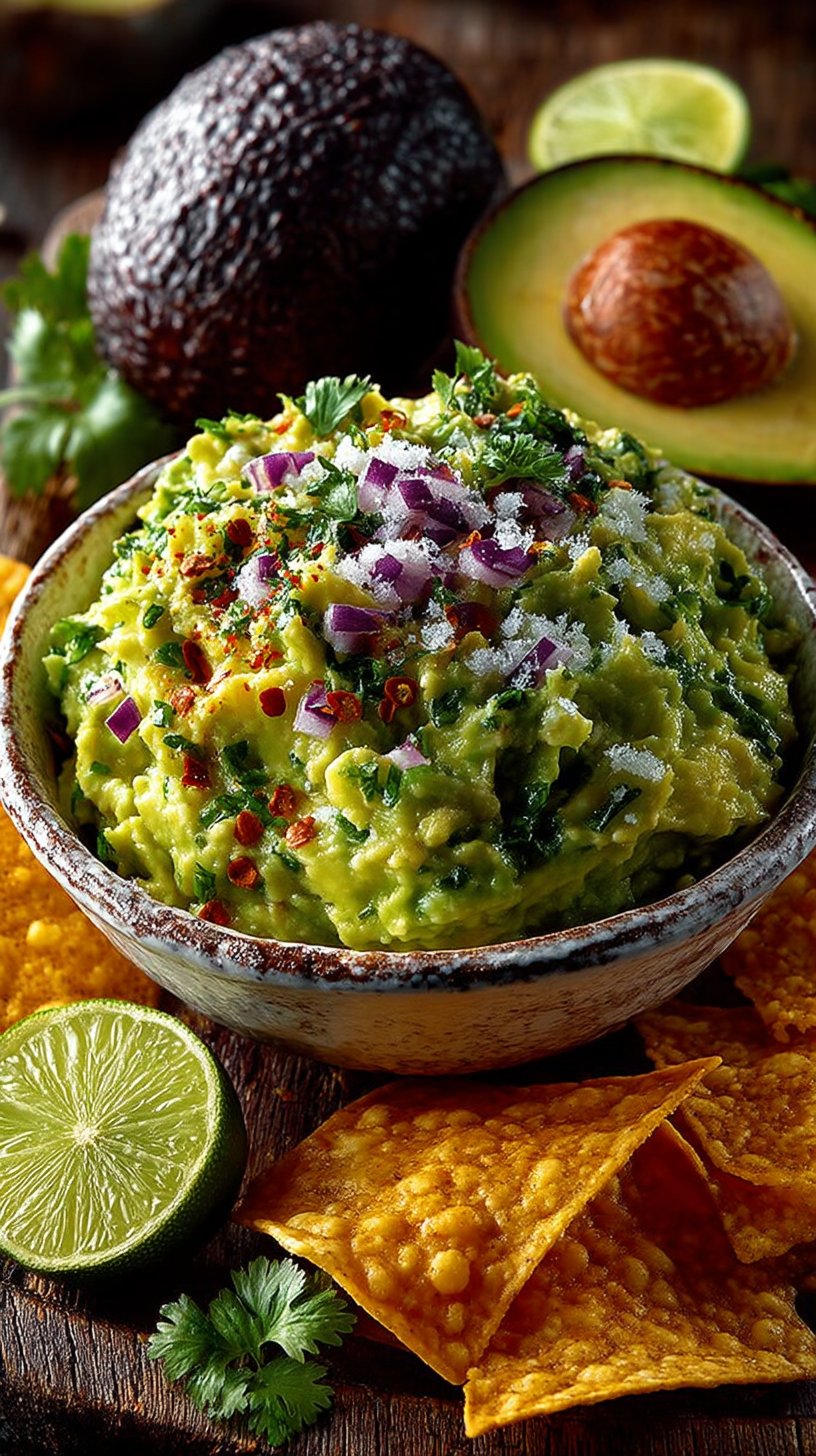
Ingredients
Instructions
Select Your Avocados
I always start by choosing perfectly ripe avocados—this is the secret to restaurant-quality guacamole. You want them to yield slightly when gently squeezed, but not mushy. Cut each avocado in half lengthwise, working around the pit. Twist the halves apart, remove the pit with a spoon, and scoop the flesh into a medium mixing bowl.
Mash to Your Preferred Texture
Here's where personal preference comes in, and I love that about guacamole. Using a fork, mash the avocado to your desired consistency. I prefer mine slightly chunky with some creamy texture remaining—it feels more authentic and restaurant-like than perfectly smooth. Don't over-mash; leave some dimension in there.
Add Salt and Lime Immediately
Working quickly is crucial to prevent browning. Immediately squeeze the fresh lime juice over the mashed avocado and sprinkle with sea salt. This step isn't just about flavor—the lime juice's acidity prevents oxidation, keeping your guacamole that vibrant green color. Gently fold the lime and salt in with your fork, about 3-4 folds.
Prepare Your Aromatics
While your base is ready, finely dice the red onion, mince the jalapeño, and chop the fresh cilantro. I use a sharp knife for the red onion to keep it crisp and prevent it from breaking down. The jalapeño should be minced fine so the heat distributes evenly throughout the guacamole without creating overly spicy bites.
Fold in Fresh Ingredients
Gently fold in the diced red onion, minced jalapeño, and fresh cilantro. Be gentle here—you're not making mashed potatoes. You want these ingredients to stay distinct and fresh. The cilantro adds that unmistakable authentic flavor that separates homemade guacamole from mediocre versions.
Add Tomato Last
I always add the diced tomato last, just before serving. This keeps it fresh and prevents it from releasing too much water into your guacamole. If you're making this ahead, hold off on the tomato and add it right before serving to maintain that bright, fresh quality.
Taste and Adjust
Take a moment to taste your creation. Sometimes I add a pinch more salt or an extra squeeze of lime depending on the avocado's richness. This tasting step is what separates good guacamole from great guacamole—it's your final quality check and shows respect for your ingredients.
Nutrition Information
Per serving (serves 4). Values are approximate.
| Calories | 185 calories |
| Total Fat | 17g |
| Saturated Fat | 2.5g |
| Carbohydrates | 10g |
| Sugar | 0.5g |
| Protein | 2.5g |
| Sodium | 290mg |
| Fiber | 7g |
* Percent Daily Values are based on a 2,000 calorie diet. Your daily values may be higher or lower depending on your calorie needs. Nutritional information is an estimate and may vary.
Never Miss a Recipe
Join 5,000+ home cooks and get new recipes straight to your inbox.
Frequently Asked Questions
How do I know when an avocado is perfectly ripe?
The best test is the gentle squeeze. Hold the avocado in your palm and press gently with your thumb—it should yield slightly without feeling mushy. If it's hard, give it 1-2 days on your countertop. If you buy a few avocados for a party, choose ones at different ripeness stages so they're ready when you need them. I've learned this from making guacamole for countless gatherings, and it's honestly foolproof.
Can I make guacamole ahead of time?
I always press plastic wrap directly onto the surface of the guacamole if I'm making it more than 15 minutes ahead. This prevents that oxidation that turns it brown. You can keep it in the fridge for up to 3 hours this way. The lime juice helps significantly with preservation, so don't skip it. For parties, I prep the components separately and assemble right before guests arrive—it tastes fresher and looks more vibrant.
What's the difference between your guacamole and restaurant versions?
Honestly? There's barely any difference when you use quality ingredients and proper technique. Restaurants use ripe avocados, fresh lime, quality salt, and fresh cilantro—exactly what we're doing here. The main advantage they have is volume and consistency. By mashing by hand with a fork rather than using a food processor, you maintain that desirable texture. Many restaurants over-process their guacamole, which I find less appealing.
Can I customize this recipe?
Absolutely! Guacamole is wonderfully forgiving. Some people add diced garlic or a pinch of cumin. I've seen versions with pomegranate seeds for sweetness and crunch. Some prefer more cilantro, others less jalapeño heat. The foundation of ripe avocado, lime, salt, and cilantro should stay, but everything else is up to you. That's the beauty of cooking—make it yours.
Why does my guacamole taste bitter sometimes?
This usually happens from the avocado pit breaking during removal—the pit contains tannins that can make guacamole taste bitter if they leak into the flesh. Also, under-ripe avocados have a slightly bitter taste. Stick with fully ripe avocados and be careful removing the pit. If bitterness does occur, a bit more lime juice and salt usually help balance it out.
Hi, I'm Lisa!
I create simple, tested recipes from around the world that anyone can make at home.
Learn More →Reader Reviews
Based on 516 reviews