Chicken & Poultry
Chicken Harvest Bowl Recipe (Sweetgreen Copycat)
Learn how to make Sweetgreen's famous Chicken Harvest Bowl at home! This copycat recipe features roasted chicken, quinoa, and seasonal veggies.
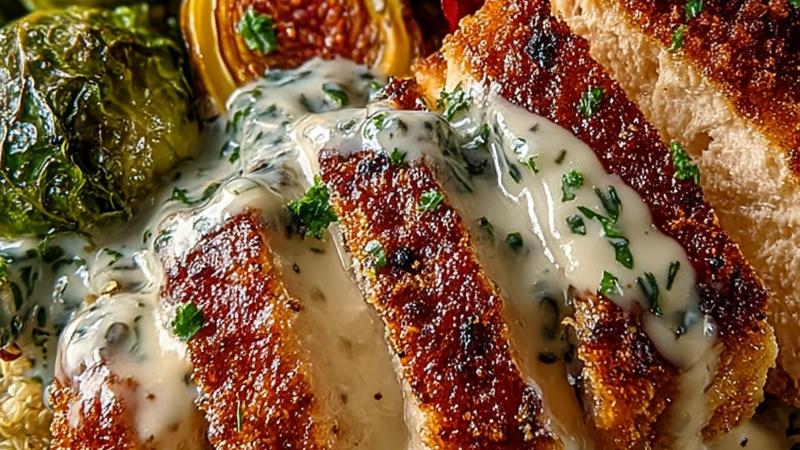
Why I’m Obsessed with This Copycat Recipe
Listen, I adore Sweetgreen. Their seasonal menus inspire me constantly, and I’ve probably spent more money there than I’d like to admit! But when I started recreating their signature bowls at home, I realized something amazing: the quality of a restaurant bowl and a homemade one doesn’t have to be that different. The Chicken Harvest Bowl became my obsession about a year ago when I discovered it on their fall menu. I ordered it at least twice a week, studying every component, tasting the dressing, noting the textures. My friends thought I was ridiculous, but honestly, this is how I learn and create recipes!
What makes this bowl so special is the balance of flavors and textures. You’ve got the earthiness of roasted vegetables, the nuttiness of tahini, the brightness of apple and vinegar, the warmth of roasted chicken, and the satisfying crunch of pumpkin seeds. Every spoonful is interesting, which is why I never get bored eating it. The best part? Making it at home costs me a fraction of what I’d pay at Sweetgreen, and I can customize it however I want. Some weeks I add extra beets, other times I swap the apples for pears. It’s become my canvas for seasonal eating.
Understanding Each Component’s Role
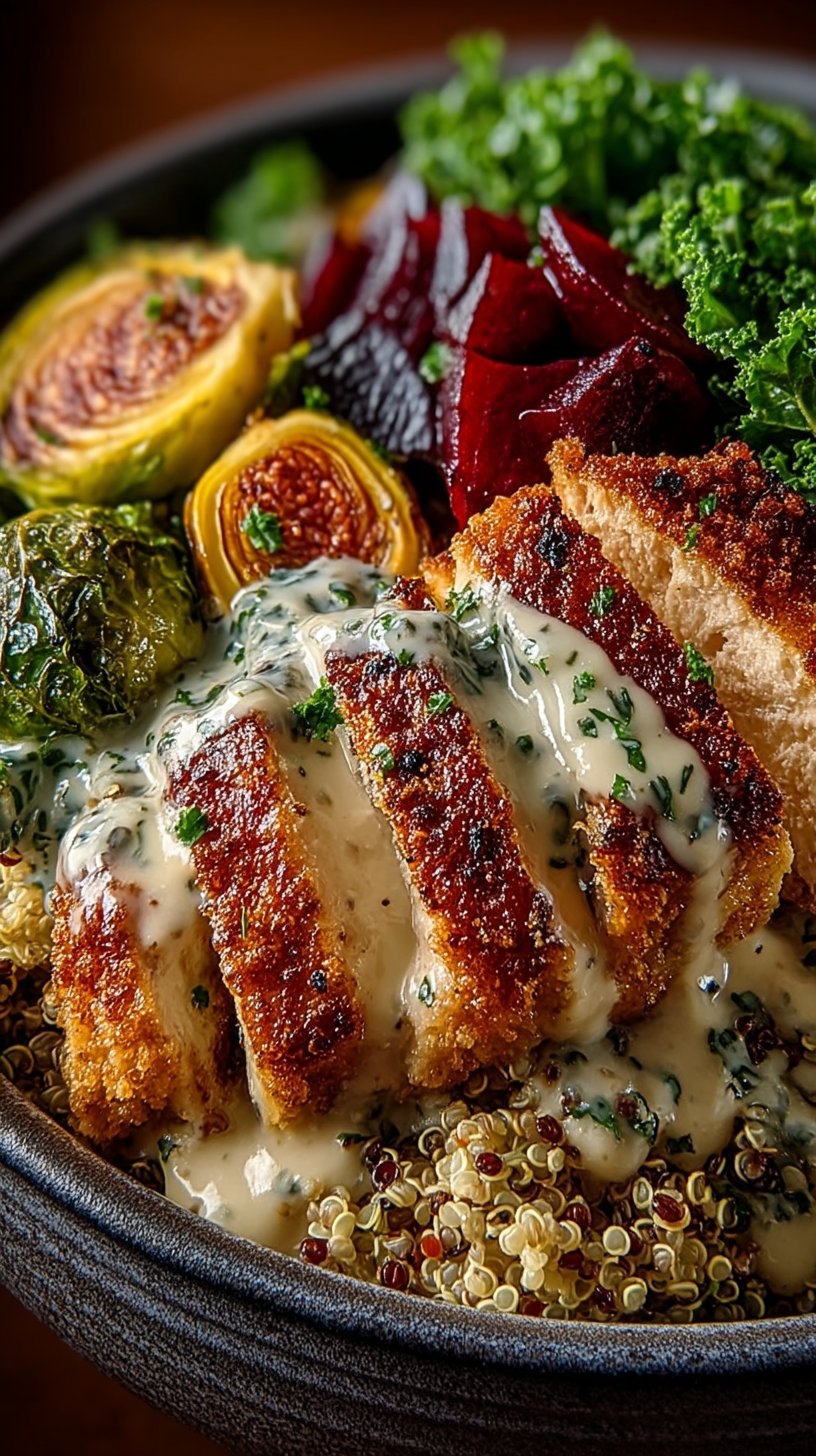
When I first started developing this recipe, I realized that each ingredient serves a purpose beyond just filling up your bowl. The quinoa provides complete protein and a slightly nutty flavor that complements everything else. The roasted Brussels sprouts and beet add sweetness and earthiness—roasting concentrates their natural sugars and creates those caramelized edges that are absolutely addictive. The massaged kale gives you that nutritional punch and textural contrast without being tough or unpleasant.
The apple is crucial because it adds freshness and prevents the bowl from feeling too heavy. I typically use Honeycrisp apples because they’re sweeter and less tart, but Granny Smith apples work beautifully if you want more acidity. The pumpkin seeds add healthy fats and a satisfying crunch that keeps every bite interesting. And the dried cranberries? They’re the sweet notes that tie everything together, especially when they soften slightly from the warmth of the other ingredients.
But the real star is that maple tahini dressing. The combination of creamy tahini with sweet maple syrup, tangy apple cider vinegar, and sharp Dijon mustard creates something truly magical. It’s rich enough to feel indulgent but light enough that it doesn’t weigh you down. The warm water emulsification is key—it transforms separated ingredients into a silky, cohesive dressing that coats everything beautifully.
How to Customize This Bowl for Your Preferences
One of my favorite things about this recipe is how adaptable it is. You’re not locked into specific ingredients—think of this as a template for building your perfect harvest bowl. Let’s talk vegetables first. If you’re not a Brussels sprouts person (though I’m trying to convert you!), roasted carrots or parsnips work wonderfully. Don’t love beets? Roasted sweet potato is an excellent substitute. Some people prefer their vegetables raw, and that’s totally valid. Shredded carrots, thinly sliced radishes, or even raw broccoli florets add great crunch.
For the greens, while I specified kale because it holds up well, you could use spinach, arugula, mixed greens, or even cabbage as your base. The beauty is that you’re already dressing everything, so tender greens won’t wilt in an unpleasant way. I’ve also experimented with different grains—farro adds a chewy texture I love, while wild rice brings earthiness. Brown rice is classic and budget-friendly. Some weeks I use a combination of grains.
The dried fruit and nut situation is super flexible too. I’ve used dried apricots instead of cranberries, switched pumpkin seeds for sunflower seeds or walnuts, and added dried figs for extra sophistication. Fresh berries in summer are wonderful instead of dried fruit. The key is maintaining that balance of sweet, savory, fresh, and crunchy. I also love adding extras like crumbled goat cheese, crispy chickpeas, or even a poached egg on top for added protein and richness.
Seasonal Variations You’ll Love
What I appreciate most about the Sweetgreen Harvest Bowl concept is that it celebrates seasonality. The version I’ve shared here is distinctly autumnal, perfect for fall and early winter. But you can easily adapt this for other seasons to keep eating bowls year-round.
For spring, I swap the beets and Brussels sprouts for fresh asparagus and roasted radishes, use fresh peas, add tender baby spinach, and incorporate fresh herbs like parsley and mint. The apples become fresh strawberries, and I might add some crumbled feta for tanginess. The maple tahini dressing transitions beautifully into spring with the addition of fresh lemon juice instead of apple cider vinegar.
Summer bowls feature peak seasonal produce: fresh corn (roasted or raw), heirloom tomatoes, cucumber, fresh basil, and stone fruits like peaches or plums. I’ll sometimes switch the tahini dressing for a lighter lemon herb dressing or a simple balsamic vinaigrette. Raw vegetables shine in summer, so I keep those roasted elements minimal.
Winter is when I go deep with roasted vegetables—kabocha squash, root vegetables, leafy greens, and lots of warming spices. I sometimes add roasted cauliflower or mushrooms for earthiness. The maple tahini dressing is perfect for winter bowls, and I’ll add warming spices like cinnamon or ginger to it. Spring and summer might use lighter, brighter dressings, but that creamy tahini base is my constant companion year-round.
Tips for Restaurant-Quality Results at Home
If you’ve ever wondered how restaurants make their bowls look so beautiful and taste so balanced, I have some secrets to share. First, seasoning each component individually makes a huge difference. Don’t just season your chicken and call it a day—season your roasted vegetables as they come out of the oven, salt your kale as you massage it, and season your quinoa lightly. This layered seasoning approach creates complexity that simple seasoning can’t achieve.
Second, invest in proper kitchen tools. A meat thermometer ensures your chicken is perfectly cooked every time, and sharp knives make prep work faster and your slices more beautiful. Roasting pans with good air circulation help you achieve that gorgeous caramelization on your vegetables. I’m not saying you need expensive equipment, but quality basics make a real difference.
Third, don’t rush the roasting. Set your oven to 425°F and give everything enough space on the baking sheet so vegetables aren’t crowded and steaming. Crowded pans lead to steamed vegetables, not roasted ones. Stir them halfway through cooking for even browning. Take the time to pat your chicken dry before seasoning and cooking—moisture is the enemy of browning.
Finally, taste as you go and adjust seasonings. The dressing might need more salt, the chicken might need extra lemon, the vegetables might need a bit more seasoning. This is how professionals cook—they don’t just follow recipes exactly, they taste and adjust. You’re in control of your food, so make it taste exactly how you like it. That’s the real magic of cooking at home.
Ingredients
For the Chicken
For the Base & Vegetables
For the Maple Tahini Dressing
Instructions
Prepare Your Ingredients
Start by preheating your oven to 425°F (220°C). While it heats, pat your chicken breasts dry with paper towels—this is honestly the secret to getting that gorgeous golden exterior! In a small bowl, combine the garlic powder, smoked paprika, dried thyme, kosher salt, and black pepper. I like to mix mine in a pinch bowl so it's easy to apply evenly. If your chicken breasts are particularly thick (over 1.5 inches), feel free to gently pound them to an even thickness so they cook uniformly.
Roast the Chicken
Rub the chicken breasts with 2 tablespoons of olive oil on both sides, then generously season with your spice mixture. Place them on a lined baking sheet and roast for 25-30 minutes, or until the internal temperature reaches 165°F (74°C) when measured with a meat thermometer at the thickest part. I always insert the thermometer horizontally into the breast to get the most accurate reading. Once cooked, let the chicken rest for 5 minutes before slicing into bite-sized pieces. The resting time is crucial—it keeps the meat juicy and tender!
Prepare the Vegetables
While your chicken is roasting, prepare your vegetable components. If your Brussels sprouts and beet aren't already roasted, toss the Brussels sprouts with a tablespoon of olive oil, salt, and pepper, and roast them on a separate baking sheet for about 20-25 minutes at 425°F until they're caramelized and crispy at the edges. For the beet, you can use pre-roasted ones from the store to save time (I definitely do on busy weeknights!), or roast one yourself. Massage your kale gently with a pinch of salt and a tiny drizzle of olive oil to soften it up. Thinly slice your apple and keep it in a bowl with a squeeze of lemon juice to prevent browning.
Make the Maple Tahini Dressing
Here's where the magic happens! Whisk together the tahini, maple syrup, apple cider vinegar, Dijon mustard, and minced garlic in a medium bowl. The mixture will look thick and slightly separated at first—don't worry, that's completely normal. Slowly add 3-4 tablespoons of warm water, whisking constantly, until you achieve a smooth, pourable consistency. The warm water really helps emulsify everything beautifully. Season with salt and pepper to taste. I love how the tanginess of the vinegar balances the sweetness of the maple—it's become my go-to dressing for so many bowls and salads.
Cook the Quinoa
If you haven't cooked your quinoa yet, bring 1.5 cups of vegetable or chicken broth to a boil in a saucepan. Rinse ¾ cup of dry quinoa under cold water (this removes the bitter coating), then add it to the boiling broth. Reduce heat to low, cover, and simmer for 15 minutes. Remove from heat and let it sit covered for 5 minutes, then fluff with a fork. The broth adds so much more flavor than plain water! You'll end up with about 1.5 cups of cooked quinoa, which is perfect for this recipe.
Assemble Your Bowls
Now for the fun part! Divide the cooked quinoa evenly among four bowls as your base. Arrange your prepared ingredients in sections around the quinoa—I like to think of it as creating a beautiful, edible palette. Start with the massaged kale, then add the sliced roasted chicken, roasted Brussels sprouts, diced beet, shredded red cabbage, apple slices, pumpkin seeds, and dried cranberries. The variety of colors is absolutely stunning and makes you excited to eat it! Don't be shy with the toppings—this is what makes the bowl feel abundant and satisfying.
Dress and Serve
Drizzle each bowl generously with your maple tahini dressing—I use about 3 tablespoons per bowl, but adjust to your preference. Give everything a gentle toss so the dressing coats all the ingredients, or serve it on the side if you prefer. The beauty of this bowl is that it's completely customizable! Some people like to add crumbled goat cheese or feta, while others top theirs with a fried egg. Serve immediately while the chicken is still warm and the greens are fresh and crisp.
Nutrition Information
Per serving (serves 4). Values are approximate.
| Calories | 520 calories |
| Total Fat | 22g |
| Saturated Fat | 3.5g |
| Carbohydrates | 52g |
| Sugar | 18g |
| Protein | 32g |
| Sodium | 580mg |
| Fiber | 9g |
* Percent Daily Values are based on a 2,000 calorie diet. Your daily values may be higher or lower depending on your calorie needs. Nutritional information is an estimate and may vary.
Never Miss a Recipe
Join 5,000+ home cooks and get new recipes straight to your inbox.
Frequently Asked Questions
Can I meal prep this Chicken Harvest Bowl?
Absolutely! I actually make these bowls every Sunday for my work week. Here's my process: cook the quinoa and chicken, then store them separately in airtight containers for up to 4 days. Keep your roasted vegetables in another container, and your fresh vegetables (kale, apple, red cabbage) in a separate container as well. The dressing should be stored in a jar in the fridge for up to a week. Assemble your bowls the morning you want to eat them, or keep everything separate and combine at lunch time. The key is keeping fresh ingredients away from dressing until you're ready to eat to prevent sogginess.
What can I substitute for quinoa?
You have so many great options! Brown rice, farro, millet, or wild rice all work beautifully. You could even use regular white rice if that's what you have on hand. Some people love using a bed of mixed greens instead of quinoa to make it even lighter. I've also tried using couscous, and while the texture is different, it's delicious and cooks even faster. Choose whatever grain you have available or prefer—the important thing is having that hearty base to hold everything together.
Is this recipe vegan or gluten-free?
This recipe is naturally gluten-free since quinoa and the other main ingredients don't contain gluten. It's not vegan as written because of the chicken, but you can easily make a vegan version by substituting crispy roasted chickpeas or tofu for the chicken. Simply toss 1.5 cups of chickpeas with the same spice mixture and roast for 25-30 minutes at 425°F. The tahini dressing is already vegan, and all the other ingredients work great for a plant-based version.
Can I make the dressing ahead of time?
Yes, the maple tahini dressing is perfect for making ahead! I always make a double or triple batch on Sunday and keep it in a mason jar in the refrigerator for up to 10 days. Just give it a good shake before using since the tahini may settle. If it thickens up in the fridge, simply whisk in a tablespoon or two of warm water to bring it back to the right consistency. This dressing is so versatile—I use it on salads, roasted vegetables, grain bowls, and even as a dip for veggies.
How do I store leftover bowls?
If you've already assembled bowls, they'll keep in the fridge for about 2 days, though the greens will soften and the apple may oxidize. I recommend storing the components separately in airtight containers and assembling fresh when ready to eat. This way, everything stays fresh and crispy for up to 4 days. The roasted chicken and vegetables keep great, but fresh ingredients like kale and apple are best added just before eating.
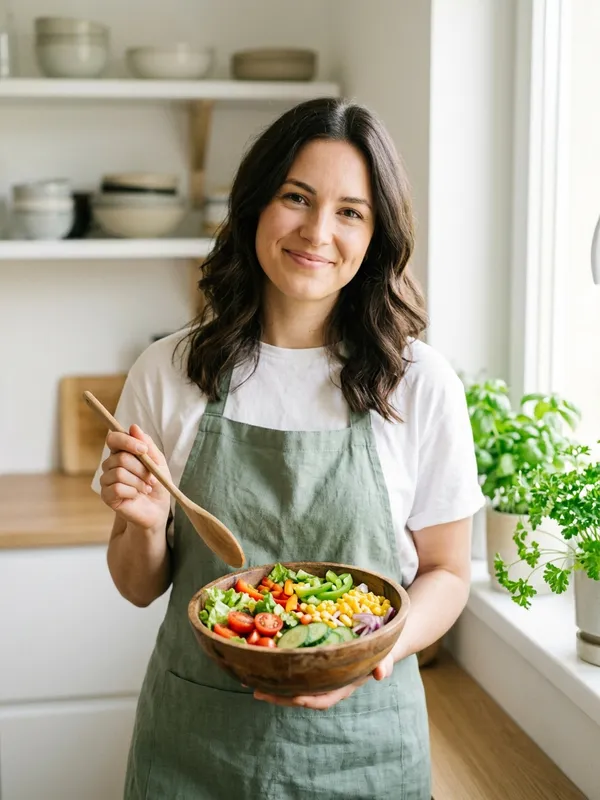
Hi, I'm Lisa!
I create simple, tested recipes from around the world that anyone can make at home.
Learn More →Reader Reviews
Based on 366 reviews
Leave a Review
You Might Also Like
Chicken & Poultry
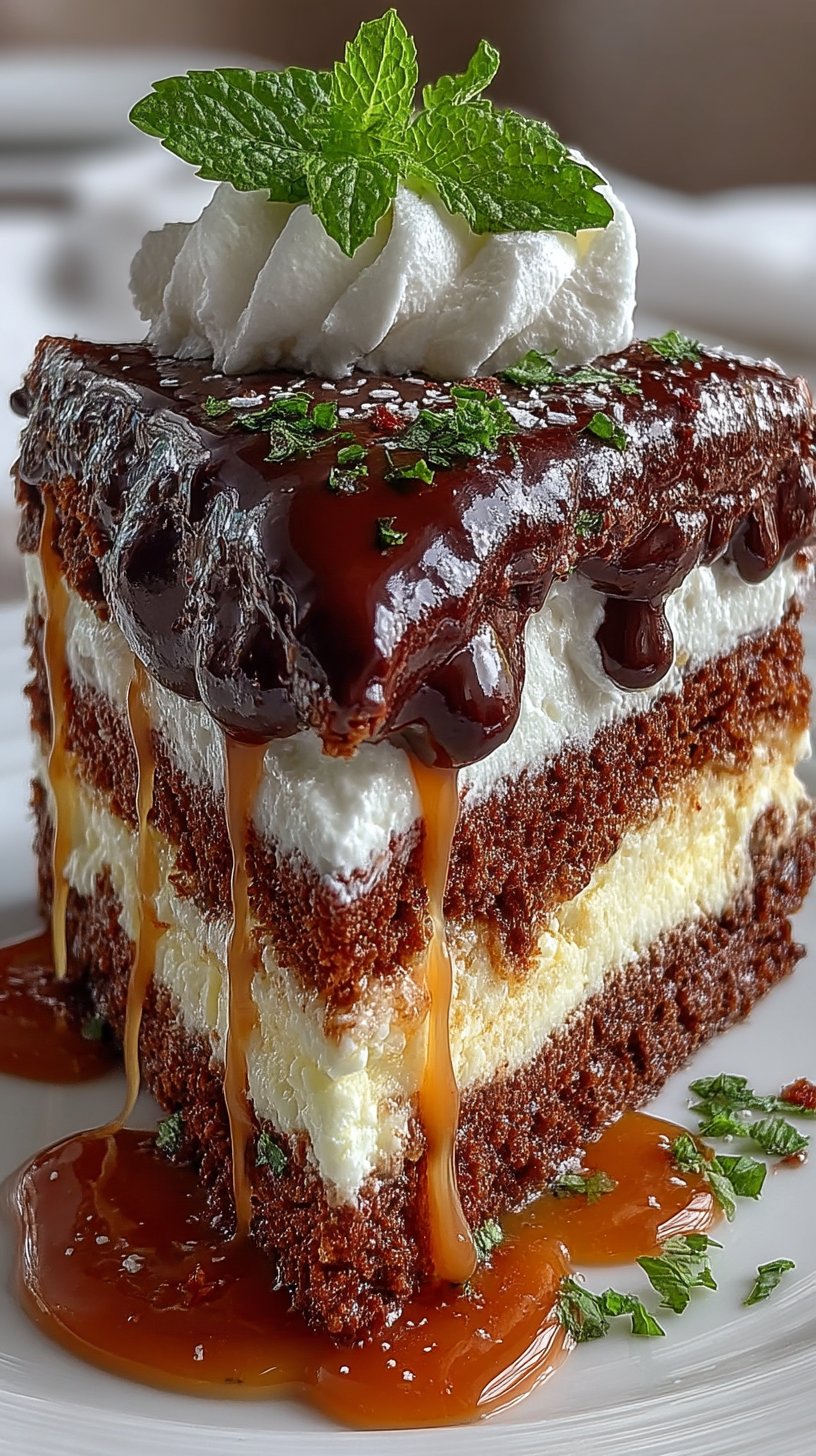
My Tuxedo Cake Rivals the Costco Version
Chicken & Poultry
Buttermilk Whole Roasted Chicken Recipe
Chicken & Poultry
The Unbelievably Delicious Chicken I Make Once a Week
Chicken & Poultry