Holiday & Christmas
Honey Glazed Ham Recipe - Perfect for Holiday Gatherings
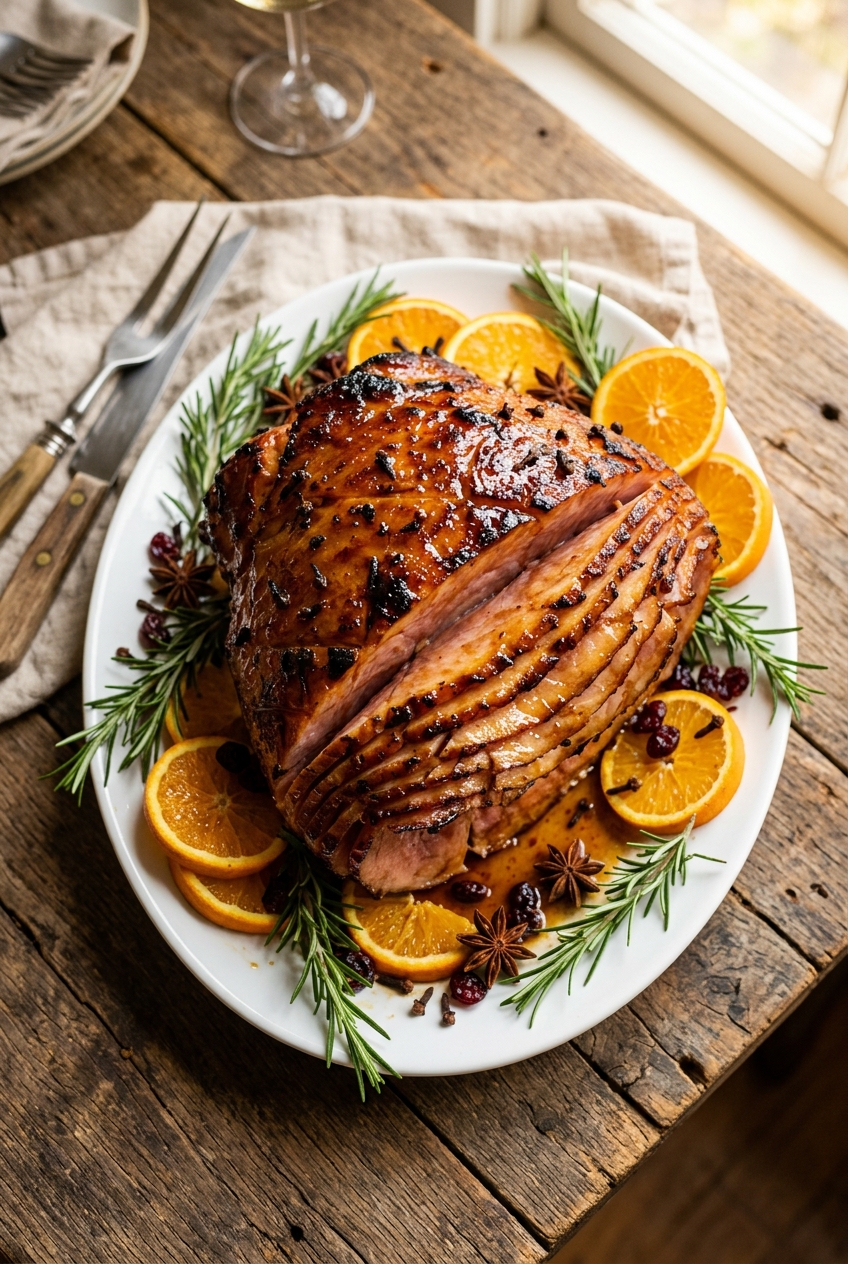
Why I Love Making Honey Glazed Ham for the Holidays
You know, I’ve spent years exploring cuisines from around the world, but there’s something truly magical about a perfectly glazed ham that brings people together. When I was growing up, my grandmother would make this dish every Easter and Christmas, and the aroma alone would signal that something special was happening. Now, as an adult, I understand why this recipe has remained a holiday staple for generations—it’s elegant, impressive, yet surprisingly simple to execute.
What I adore most about this honey glazed ham is its versatility. It works beautifully as the centerpiece for Easter dinner, Christmas celebrations, or even a sophisticated spring brunch. The combination of sweet honey, savory mustard, and warm spices creates a flavor profile that’s both comforting and refined. Plus, unlike some holiday dishes that require constant attention, this ham mostly takes care of itself in the oven while you attend to other preparations.
The beauty of this recipe lies in its balance. The honey provides natural sweetness that caramelizes into a gorgeous mahogany glaze, while the Dijon mustard adds depth and a subtle tang. The spices—ginger and cloves—whisper warmth without overpowering the dish. And that apple cider vinegar? It’s the secret ingredient that cuts through the richness and keeps everything from being one-note sweet.
Choosing the Perfect Ham for Your Holiday Table
When I’m shopping for ham, I always look for a bone-in, spiral-cut variety if possible. The bone adds incredible flavor to the braising liquid and helps keep the meat moist during cooking. Spiral-cut hams are convenient because they’re partially pre-sliced, making carving at the table effortless and elegant. Most hams you’ll find at the grocery store are pre-cooked, which is perfect for this recipe—we’re essentially reheating and glazing them to perfection.
I typically choose a ham that’s 8-10 pounds (3.6-4.5 kg), which serves about 12 people generously with some leftovers. The size matters because it affects cooking time, and I’ve found this range to be ideal for most holiday gatherings. If you’re hosting a smaller group, a 5-6 pound (2.3-2.7 kg) ham works beautifully and cooks in about 1.5 hours.
One pro tip I’ve learned: buy your ham a day or two before you plan to cook it. This gives you time to prepare the glaze and plan your oven schedule. Most hams come vacuum-sealed, so they’ll keep perfectly in the refrigerator until you’re ready to cook.
The Secret to a Glossy, Caramelized Glaze
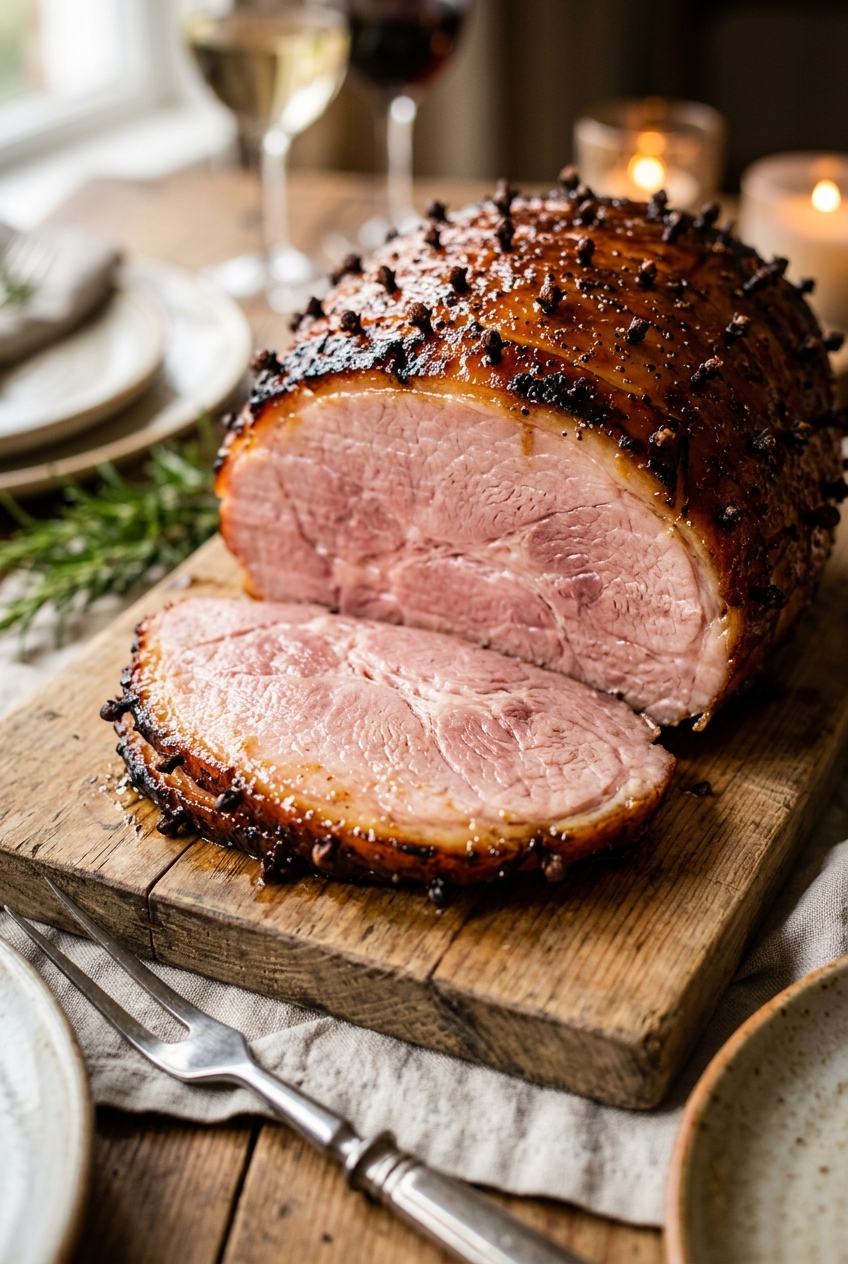
The magic of this honey glazed ham truly happens in those final 30 minutes of cooking. The repeated basting is absolutely crucial—it’s not just for flavor, though the glaze is certainly delicious. Each layer of glaze that caramelizes in the oven creates a beautiful, glossy exterior with deep mahogany and golden-brown tones. It’s the difference between a good ham and a show-stopping centerpiece.
I always reserve about half of my glaze for basting after the initial application. This allows me to build up those gorgeous layers without running out of glaze. The honey in the glaze will caramelize at the edges, creating little crispy bits that are absolutely addictive. Some of my guests actually fight over the crispy edges!
The Dijon mustard in the glaze is particularly important—it doesn’t just add flavor, it helps the glaze adhere to the ham and creates a more complex taste profile. The soy sauce adds umami depth, while the ginger and cloves provide warmth and sophistication. This isn’t a one-dimensional sweet glaze; it’s a carefully balanced sauce that respects the quality of the ham itself.
Timing Your Holiday Meal Perfectly
One of the reasons I love this recipe is how well it fits into a holiday cooking schedule. The ham takes about 2 hours and 50 minutes total, but most of that time is hands-off baking. This means you can get your ham in the oven early, giving you plenty of time to prepare side dishes, set the table, and enjoy time with your guests.
I typically start my ham about 3 hours before I want to serve dinner. This gives me a comfortable buffer and ensures the ham is perfectly heated through and beautifully glazed. The resting period at the end is important—those 10-15 minutes allow the juices to redistribute, ensuring moist, tender slices.
If you’re coordinating multiple dishes, remember that the ham needs to come out of the oven uncovered for the last 30 minutes for glazing. Plan your other oven-baked sides accordingly. I usually have my vegetables roasting at a higher temperature while the ham finishes, or I prepare them on the stovetop instead.
Creative Serving Ideas and Leftover Magic
Beyond the traditional holiday dinner, I’ve discovered so many wonderful ways to serve and use this honey glazed ham. The glazed exterior is stunning on a charcuterie board, paired with cheeses, crackers, and fresh fruits. The sweetness of the glaze complements sharp cheddar and creamy brie beautifully.
Leftovers are where this recipe truly shines. I love making sandwiches with thick slices of ham, fresh arugula, and a smear of whole grain mustard on crusty bread. The ham also works beautifully in a salad with mixed greens, candied pecans, and a balsamic vinaigrette. For breakfast, I’ll chop leftover ham and add it to scrambled eggs with cheese and fresh herbs.
The pan drippings are liquid gold—I always save them to drizzle over the ham at the table or to use as a glaze for roasted vegetables. Some of my guests actually ask for extra drippings to take home! The glaze itself keeps beautifully in the refrigerator and can be reheated and drizzled over roasted Brussels sprouts, sweet potatoes, or even used as a glaze for roasted chicken breasts.
Ingredients
For the Ham
For the Honey Glaze
For Garnish
Instructions
Prepare Your Ham
Preheat your oven to 325°F (163°C). Remove the ham from the refrigerator about 30 minutes before cooking to bring it closer to room temperature. This ensures more even cooking throughout. Pat the ham dry with paper towels and score the surface in a crosshatch pattern, cutting about ¼ inch (6 mm) deep into the fat layer. This scoring helps the glaze penetrate and creates those beautiful caramelized edges we all love. Place the ham cut-side down in a large roasting pan.
Create the Braising Liquid
Pour 1 cup (240 ml) of water or ham broth into the bottom of the roasting pan around the ham. Add 2 tablespoons (30 ml) of apple cider vinegar to the liquid. This creates steam during cooking that keeps the ham moist and tender. Cover the roasting pan tightly with aluminum foil, making sure it's sealed well around the edges. This is crucial for maintaining moisture during the long cooking process.
Initial Baking
Place the covered ham in the preheated oven and bake for approximately 2 hours. The general rule is about 15 minutes per pound (450 g). For an 8-10 pound (3.6-4.5 kg) ham, this timing works perfectly. You'll know it's ready when a meat thermometer inserted into the thickest part (without touching bone) reads 140°F (60°C). About 30 minutes before the ham is done, remove it from the oven and carefully peel back the foil.
Prepare the Honey Glaze
While the ham is baking, prepare your signature glaze. In a medium saucepan over medium heat, combine 1 cup (340 g) honey, ½ cup (115 g) brown sugar, ¼ cup (60 ml) Dijon mustard, 3 tablespoons (45 g) butter, 2 tablespoons (30 ml) apple cider vinegar, and 1 tablespoon (15 ml) soy sauce. Stir constantly until the butter melts and the mixture is smooth. Add 1 teaspoon (5 g) ground ginger, ½ teaspoon (2.5 g) ground cloves, ½ teaspoon (2.5 g) black pepper, and optional cayenne pepper. Simmer for 2-3 minutes, stirring occasionally, until the glaze thickens slightly and becomes glossy. Remove from heat and let cool for 5 minutes before applying.
Apply the Glaze
Once the ham has baked for 2 hours and the foil is removed, brush the honey glaze generously over the entire surface of the ham, making sure to get into all those beautiful scored lines. Reserve about ½ cup (120 ml) of glaze for additional basting. Return the ham to the oven, uncovered, and bake for an additional 20-30 minutes. Every 10 minutes, baste the ham with the remaining glaze, creating multiple layers of caramelized sweetness. This repeated basting is what gives you that restaurant-quality, glossy finish.
Add Decorative Touches
During the last 10 minutes of baking, if desired, stud the ham with whole cloves in a decorative pattern. You can also arrange fresh pineapple rings or maraschino cherries on top, securing them with toothpicks if needed. These garnishes not only look stunning but also add complementary flavors. The pineapple's tropical sweetness pairs beautifully with the honey glaze, while the cherries add a pop of color and tartness.
Rest and Serve
Remove the ham from the oven when the glaze is deeply caramelized and the internal temperature reaches 140°F (60°C). Let the ham rest for 10-15 minutes before carving. This resting period allows the juices to redistribute throughout the meat, ensuring each slice is moist and tender. Transfer to a serving platter, garnish with fresh rosemary sprigs and sea salt flakes, and serve with the pan drippings as a sauce on the side.
Nutrition Information
Per serving (serves 12). Values are approximate.
| Calories | 285 calories |
| Total Fat | 12g |
| Saturated Fat | 4.5g |
| Carbohydrates | 28g |
| Sugar | 24g |
| Protein | 28g |
| Sodium | 1,240mg |
| Fiber | 0g |
* Percent Daily Values are based on a 2,000 calorie diet. Your daily values may be higher or lower depending on your calorie needs. Nutritional information is an estimate and may vary.
Never Miss a Recipe
Join 5,000+ home cooks and get new recipes straight to your inbox.
Frequently Asked Questions
How far in advance can I prepare the honey glaze?
I love making the glaze up to 2 days ahead! Store it in an airtight container in the refrigerator. Simply reheat it gently over low heat or in the microwave (stirring every 30 seconds) before applying to your ham. This actually allows the flavors to meld beautifully, making it even more delicious.
Can I use a boneless ham instead of bone-in?
Absolutely! Boneless hams work wonderfully with this recipe. They typically cook faster—about 10 minutes per pound instead of 15. The glaze application and technique remain exactly the same. I actually find boneless hams easier to carve at the table, which is always a plus when you're hosting.
What if my ham is already pre-cooked versus bone-in?
Most hams sold in supermarkets are pre-cooked, which is what I'm using in this recipe. If you have a raw ham, you'll need to increase cooking time to about 20 minutes per pound. Always check the label! Pre-cooked hams just need heating through and glazing, which is why this recipe is so manageable for busy holiday schedules.
Can I make this honey glaze dairy-free?
Yes! Simply substitute the butter with dairy-free butter or coconut oil in equal amounts. The glaze will be just as delicious and caramelized. I've made this substitution many times for guests with dietary restrictions, and honestly, most people can't tell the difference.
How do I store leftover ham and glaze?
Slice any leftover ham and store it in an airtight container in the refrigerator for up to 4 days. The glaze keeps separately for up to 5 days. I love using leftovers in sandwiches, salads, or even chopped up in breakfast scrambles. The glaze is fantastic drizzled over roasted vegetables or even vanilla ice cream for a sweet-savory dessert!

Hi, I'm Lisa!
I create simple, tested recipes from around the world that anyone can make at home.
Learn More →Reader Reviews
Based on 342 reviews