Pasta & Noodles
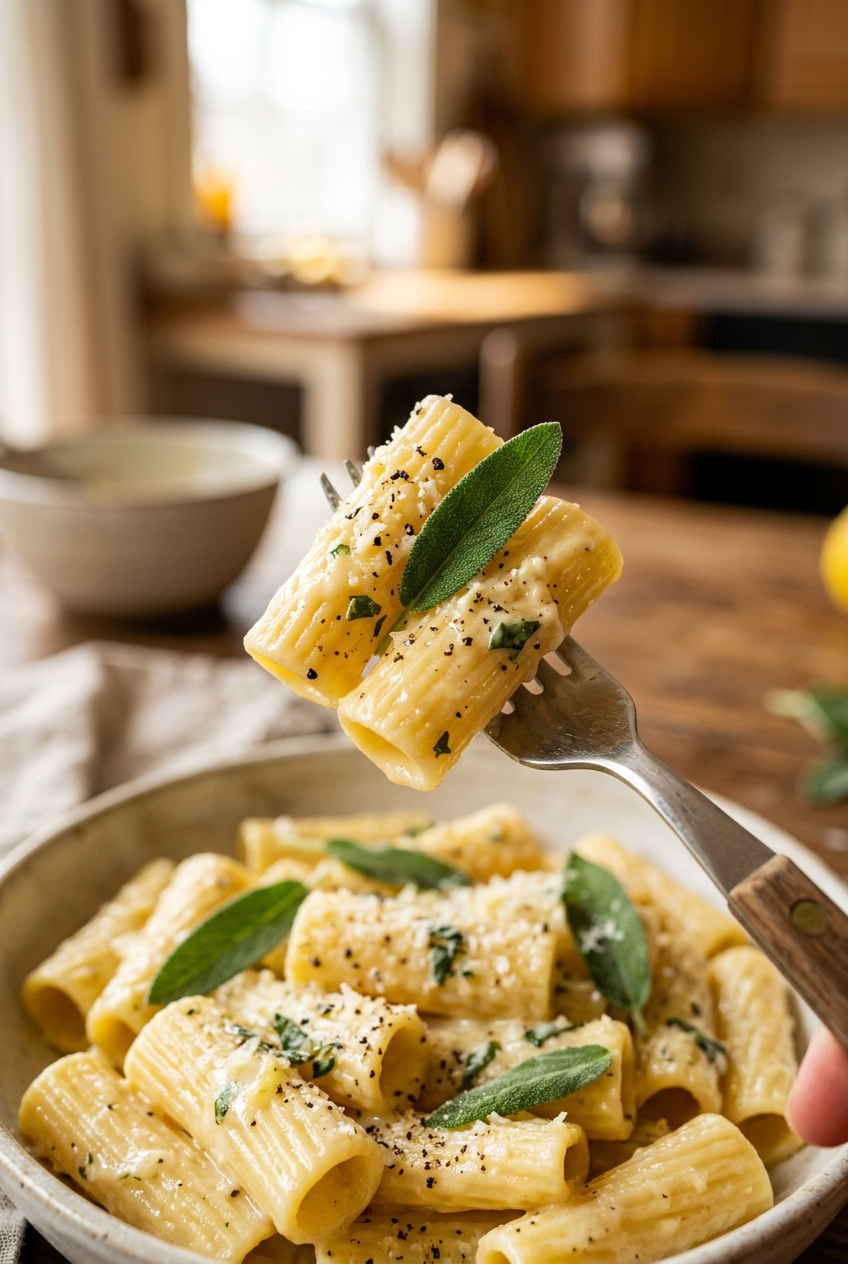
Lemon & Sage Rigatoni: A Bright Italian-Inspired Pasta
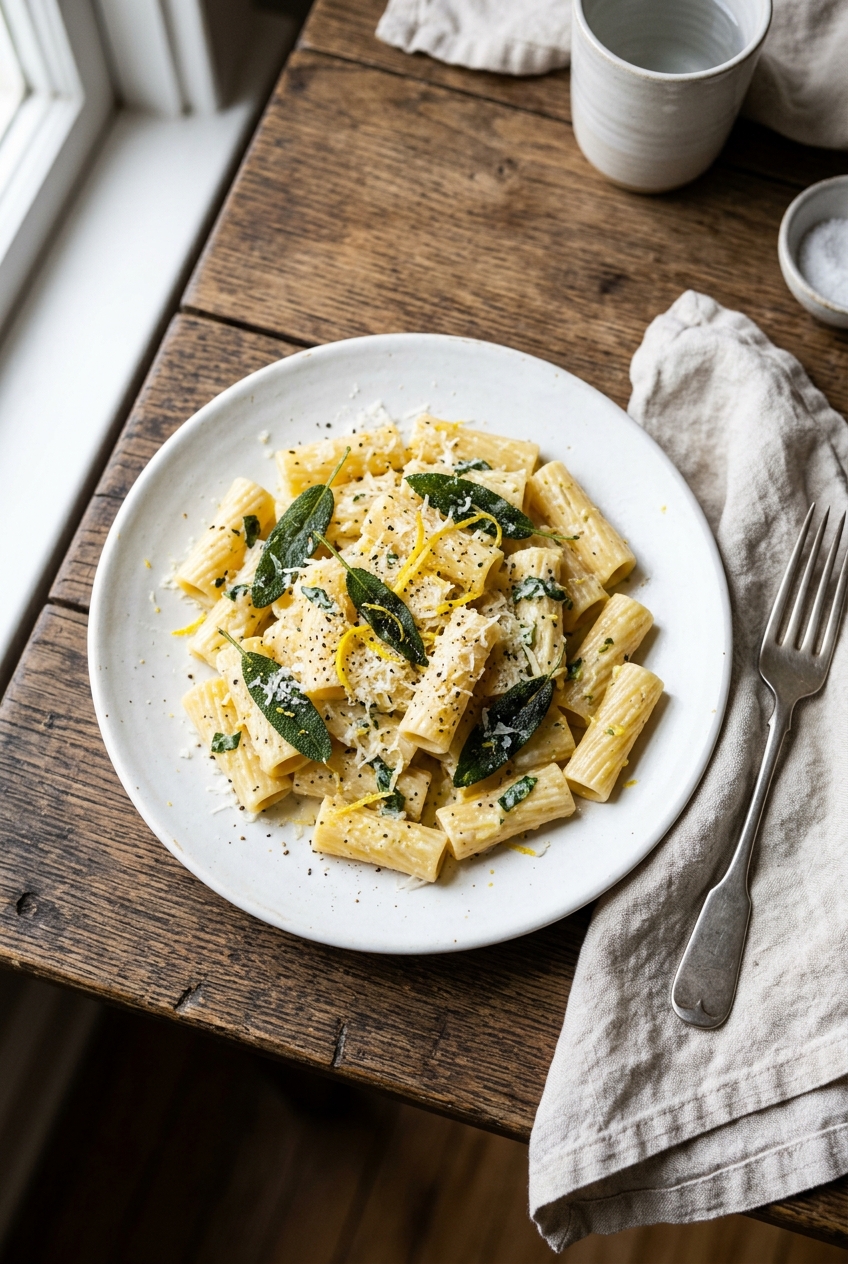
Why I’m Obsessed with Lemon Sage Rigatoni
When I first discovered the magic combination of lemon and sage together, I was traveling through Tuscany, and I haven’t stopped thinking about it since. There’s something about the way these two flavors dance together—the bright, acidic citrus cutting through the earthy, slightly peppery sage, all brought together with rich, buttery cream. It’s sophisticated enough to serve at a dinner party, but easy enough to make on a Tuesday night when you’re exhausted and just want something delicious.
I created this lemon sage rigatoni recipe because I wanted to capture that feeling of sitting at a small Italian restaurant, twirling pasta on my fork while the Mediterranean sun warmed my face. But I also wanted it to be accessible—something you could make in your own kitchen with ingredients you can find at any grocery store. This recipe is my love letter to that moment, and I hope it becomes one of your go-to weeknight dinners like it has for me.
What makes this dish special is its simplicity. There are no complicated techniques, no obscure ingredients, and no need for special equipment. Just good quality butter, fresh lemons, aromatic sage, and pasta. When you use fewer ingredients, each one needs to shine, and in this recipe, they absolutely do. The lemon provides brightness and acidity, the sage adds herbaceous depth, the butter creates richness and body, and the Parmesan ties everything together with umami and saltiness. It’s a perfect balance.
Choosing the Right Ingredients
I’ve learned through years of cooking that ingredient quality really matters, especially when you’re working with so few components. Let me share what I’ve discovered about each ingredient in this recipe.
For the pasta, rigatoni is perfect because its ridged tubes catch and hold the creamy sauce beautifully. The sauce clings to every surface, so you get flavor in every bite. If you can’t find rigatoni, penne or fettuccine work wonderfully too. I prefer dried pasta for this dish because it has a better texture than fresh pasta when coated with cream sauce.
The butter should be unsalted so you can control the salt level in your dish. I use European-style butter when I can find it because it has a higher fat content and creates a richer, more luxurious sauce. Room temperature butter incorporates more smoothly into the sauce, so if you remember, take it out of the fridge 15 minutes before cooking.
Fresh sage is non-negotiable in my kitchen. It’s easy to grow in a pot on your windowsill, and it’s usually available year-round at farmers markets and grocery stores. The flavor is so much more vibrant than dried sage. If you absolutely can’t find fresh sage, you can substitute fresh basil or even a combination of basil and oregano, though the flavor profile will be different.
For the lemons, choose ones that feel heavy for their size—they’ll have more juice. Meyer lemons are slightly sweeter and less acidic than regular Eureka lemons, so if you use them, you might want to add a tiny bit more juice. I always zest the lemons before juicing them because once they’re cut, you can’t zest them anymore.
The cream can be heavy whipping cream or even half-and-half if you prefer something lighter. Some people use whole milk, which works but creates a thinner sauce. I’ve also made this with Greek yogurt for a tangier version, which is delicious if you’re looking for something a bit different.
Tips for Perfect Lemon Sage Rigatoni Every Time
Over the years, I’ve learned a few tricks that make this dish absolutely foolproof. First, use broth instead of water for cooking the pasta. This is a game-changer because it seasons the pasta from the inside out. Even if you don’t have homemade broth, store-bought works perfectly fine. The pasta absorbs the flavors as it cooks, making the final dish taste more complex and delicious.
Second, reserve your pasta cooking liquid before draining. This starchy water is essential for creating a silky sauce that coats the pasta perfectly. If your sauce seems too thick after combining everything, add the reserved liquid a little at a time until you reach the consistency you want. This is much better than adding cream or butter, which can make the sauce too heavy.
Third, don’t skip the step of infusing the butter with garlic and sage. This takes only a few minutes but creates an incredible flavor foundation. The heat gently releases the essential oils in the sage and mellows the raw garlic, creating something much more sophisticated than if you just threw everything together.
Fourth, taste and adjust as you go. Cooking is not an exact science, and everyone’s palate is different. You might want more lemon, less sage, or more salt than I do. Trust your taste buds and adjust accordingly. This is how you make recipes truly your own.
Finally, serve immediately. Pasta is best enjoyed fresh and hot, when the sauce is silky and the flavors are at their peak. If you’re cooking for guests, have everything prepped and ready to go so you can finish the dish just before serving. Your guests will be so impressed, and you’ll get to enjoy it at its absolute best.
Variations and Substitutions
One of the things I love most about this recipe is how adaptable it is. While the basic lemon-sage-butter combination is perfect as is, there are so many ways to make it your own.
If you want to add protein, grilled chicken breast is my go-to. I usually season it with salt, pepper, and a bit of lemon juice, then slice it and toss it in with the pasta. Shrimp is another fantastic option—just sauté it quickly in the butter before adding the garlic and sage. Crispy pancetta or bacon adds a smoky depth that’s absolutely delicious. Even white beans or chickpeas work beautifully if you’re vegetarian.
For vegetables, I love adding fresh spinach, arugula, or roasted asparagus. Roasted cherry tomatoes would add a pop of color and sweetness. Sun-dried tomatoes bring an intense, concentrated flavor. Even fresh peas work wonderfully and add a pop of color and sweetness.
If you want to play with the herb profile, fresh basil is a natural substitute for sage, or you could use a combination of both. Thyme is another herb that pairs beautifully with lemon. Fresh dill would create a completely different but equally delicious flavor profile.
For the cream, you could use mascarpone for extra richness, ricotta for a lighter texture, or even crème fraîche for a subtle tang. Cashew cream or coconut cream work for dairy-free versions. The sauce will taste slightly different with each substitution, but all versions are delicious.
You could also add toasted nuts like pine nuts, almonds, or walnuts for texture and richness. A drizzle of good quality olive oil at the end adds a luxurious finish. Fresh lemon zest sprinkled on top just before serving adds brightness and visual appeal.
The Story Behind This Recipe
I’ve always believed that the best recipes come from real experiences and genuine love for food. This lemon sage rigatoni recipe is no exception. It was born from a combination of my travels, my experiments in the kitchen, and my desire to create something that feels both special and approachable.
I first fell in love with the combination of lemon and sage during a cooking class in Italy. Our instructor, a woman named Nonna Maria who must have been in her eighties, showed us how to make a simple sage butter sauce for gnocchi. She talked about how sage was the herb of wisdom, and how lemon brought light and brightness to any dish. I was completely mesmerized by her passion and her knowledge.
When I came home, I started experimenting with different ways to use this combination. I tried it with chicken, with fish, with vegetables. But when I combined it with pasta and cream, something magical happened. The sauce clung to the pasta perfectly, the flavors were balanced and bright, and it felt both elegant and comforting at the same time.
I’ve made this recipe hundreds of times now—for dinner parties, for quiet nights at home, for potlucks and celebrations. Every single time, people ask for the recipe. It’s become one of my signature dishes, the one people request when they come to my house for dinner. And I love that it’s simple enough that anyone can make it, but special enough that it feels like you’re doing something impressive.
I hope this recipe brings you as much joy as it’s brought me. I hope you make it for people you love, and that it becomes a favorite in your kitchen too. Cooking is about connection—connection to ingredients, to traditions, to the people we share our food with. This lemon sage rigatoni is my way of sharing a piece of my heart with you.
Ingredients
Pasta & Base
Sauce
Garnish
Instructions
Bring Water to Boil
Fill a large pot with 6 cups of broth and bring it to a rolling boil over high heat. I love using broth instead of plain water because it adds so much more flavor to the pasta itself—it's one of my favorite little tricks I've picked up from Italian cooking. Add a generous pinch of salt to the broth so it tastes like the sea. This is your chance to season the pasta from the inside out, which makes all the difference in the final dish.
Cook the Rigatoni
Add the rigatoni to the boiling broth and stir immediately to prevent sticking. Cook according to package directions, usually about 9-11 minutes, until the pasta is al dente—tender but still with a slight bite. I always taste a piece a minute or two before the package says it's done because every stove is different. Drain the pasta, reserving 1 cup (240ml) of the cooking liquid. This starchy water is liquid gold for creating a silky sauce, so don't skip this step!
Infuse the Butter with Aromatics
In the same pot (no need to wash it!), melt the butter over medium heat. Once it's foaming and smells absolutely divine, add your minced garlic and cook for about 1-2 minutes, stirring constantly. You want the garlic to become fragrant and golden, but not brown—burnt garlic tastes bitter and will ruin the delicate balance of this dish. This is when I add the fresh sage leaves, letting them sizzle gently in the butter. The aroma that fills your kitchen at this moment is pure magic, I promise you.
Add Lemon & Cream
Pour in the lemon juice and add the lemon zest, stirring well to combine. Let this simmer for about 1 minute so the lemon flavors meld with the butter and sage. Then, reduce the heat to medium-low and slowly pour in the heavy cream, stirring constantly. If you prefer a lighter version, whole milk works beautifully too—it'll be slightly less rich but equally delicious. Add the red pepper flakes if you like a subtle heat. The sauce should smell bright, herbaceous, and absolutely irresistible.
Combine Pasta with Sauce
Add the cooked rigatoni back into the pot with the lemon-sage cream sauce. Toss everything together gently but thoroughly, making sure every piece of pasta gets coated. If the sauce seems too thick, add some of that reserved cooking liquid a splash at a time until you reach your desired consistency. I like mine to be creamy but not heavy—the pasta should glide through the sauce, not swim in it. This usually takes about ¼ to ½ cup of the reserved liquid.
Finish with Cheese
Remove the pot from heat and stir in the freshly grated Parmesan cheese until it's completely melted and incorporated. Taste the pasta and adjust the seasoning with salt and pepper as needed. Remember that Parmesan is salty, so taste before adding more salt. This is also your moment to add more lemon juice if you want extra brightness, or more sage if you're a sage lover like me. I always taste and adjust because cooking is personal, and your palate matters.
Plate & Garnish
Divide the lemon sage rigatoni among four bowls or plates. Top each serving with a few fresh sage leaves, a thin lemon slice, a generous sprinkle of Parmesan cheese, and a crack of fresh black pepper. I love the visual pop that the sage and lemon slices add—they make the dish look as beautiful as it tastes. Serve immediately while everything is warm and the flavors are at their peak. This pasta is best enjoyed fresh, so gather everyone around the table right away.
Nutrition Information
Per serving (serves 4). Values are approximate.
| Calories | 385 calories |
| Total Fat | 18g |
| Saturated Fat | 11g |
| Carbohydrates | 42g |
| Sugar | 2g |
| Protein | 14g |
| Sodium | 620mg |
| Fiber | 2g |
* Percent Daily Values are based on a 2,000 calorie diet. Your daily values may be higher or lower depending on your calorie needs. Nutritional information is an estimate and may vary.
Never Miss a Recipe
Join 5,000+ home cooks and get new recipes straight to your inbox.
Frequently Asked Questions
Can I make this recipe dairy-free?
Absolutely! I've made this with olive oil instead of butter and coconut cream or cashew cream instead of heavy cream, and it's still delicious. You'll lose some of that rich, luxurious quality, but the bright lemon and sage flavors really shine through. Just use the same amounts and follow the recipe as written. You might want to add a bit more lemon juice to compensate for the richness you're missing from the dairy.
Can I use dried sage instead of fresh?
Yes, but use about one-third the amount—dried herbs are more concentrated than fresh. So instead of 15-20 fresh sage leaves, use about 1 teaspoon of dried sage. Add it when you're infusing the butter with garlic. Fresh sage really does taste better in this dish though, so if you can find it, I'd recommend making the effort. Fresh sage has a more delicate, slightly peppery flavor that dried sage can't quite replicate.
What can I add to make this more substantial?
I love adding grilled chicken breast, shrimp, or crispy pancetta to make this a complete meal. You could also toss in some fresh spinach or roasted asparagus in the last minute of cooking. A handful of toasted pine nuts adds wonderful texture and richness. If you're vegetarian, white beans or chickpeas work beautifully and add protein and heartiness without overpowering the delicate lemon-sage flavors.
How do I store leftovers?
Store any leftovers in an airtight container in the refrigerator for up to 3 days. When reheating, warm it gently on the stovetop over medium-low heat, adding a splash of broth or milk to loosen the sauce since pasta absorbs liquid as it sits. You can also reheat individual portions in the microwave, stirring every 30 seconds. The flavors actually deepen a bit as it sits, so leftovers are genuinely delicious—not just acceptable.
Can I prepare this ahead of time?
I don't recommend cooking the pasta completely ahead of time, but you can absolutely prep everything else. Make the lemon-sage butter sauce up to 2 hours ahead and store it in the refrigerator. Cook the pasta fresh when you're ready to eat, then combine them together. This way, you get the best texture and the sauce is at its most vibrant. It's still a quick dish to pull together, even with fresh cooking.

Hi, I'm Lisa!
I create simple, tested recipes from around the world that anyone can make at home.
Learn More →Reader Reviews
Based on 247 reviews