Quick & Easy
Shrimp Scampi With Garlic Marinade
Learn how to make restaurant-quality shrimp scampi with garlic marinade at home. Quick, easy, and bursting with flavor in just 30 minutes!
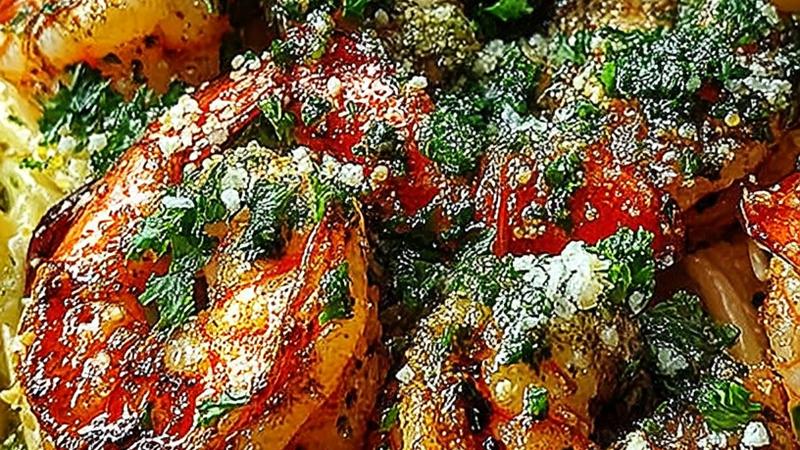
Why I’m Obsessed With Shrimp Scampi
You know that feeling when you order something at a restaurant and it’s so good you can’t stop thinking about it? That’s been my relationship with shrimp scampi for years. There’s something so elegant and restaurant-worthy about it, yet it’s actually incredibly simple to make at home. When I first started exploring world cuisine, Italian-American dishes like this one fascinated me because they’re a beautiful fusion of traditions—Italian technique meets American ingredients and sensibilities.
What I love most about shrimp scampi is how the garlic marinade transforms simple shrimp into something extraordinary. The combination of fresh lemon juice, garlic, white wine, and olive oil creates this perfect balance of bright, acidic, and savory flavors. It’s the kind of dish that makes you feel like you’re dining at a little trattoria in Rome, but you’re actually in your own kitchen.
The beauty of this recipe is that it’s genuinely quick and easy. In under 30 minutes, you’ll have a restaurant-quality meal on the table that impresses everyone who tries it. I’ve made this for dinner parties, and people always ask for the recipe—and honestly, I love being able to tell them how simple it really is!
The Magic of the Garlic Marinade
Let me tell you about why this garlic marinade is such a game-changer. I developed this particular combination after experimenting with so many different approaches, and I’m convinced this is as close to perfection as you can get. The key is using fresh, quality ingredients—and I really mean fresh. Don’t use pre-minced garlic from a jar; take the time to mince fresh cloves yourself. The difference is night and day.
The ratio of garlic to olive oil is what makes this marinade special. I use eight cloves of garlic for about 1/2 cup of oil, which might seem like a lot, but trust me, it’s perfect. You’re not making a sauce here; you’re creating an aromatic coating that will infuse the shrimp with flavor without overwhelming it. The lemon juice adds brightness, the white wine adds depth, and the red pepper flakes add just a hint of heat.
One of my favorite things about this marinade is that it’s so versatile. I’ve used it on chicken (absolutely delicious), on white fish, even on vegetables. It’s become my go-to marinade for anything I want to grill or pan-sear. So make extra if you want—it stores beautifully in the refrigerator for up to a week, and you’ll find yourself reaching for it again and again.
Tips for Perfect Shrimp Every Time
Over the years of cooking shrimp in so many different ways across various cuisines, I’ve learned some important tricks that make all the difference. First and foremost, size matters. I specifically call for large shrimp (16-20 count per pound) because they’re easier to cook evenly and less likely to become rubbery if you accidentally leave them on the heat a bit too long. Smaller shrimp cook so quickly that they can go from perfect to overcooked in seconds.
Patting the shrimp dry before cooking is essential. I cannot stress this enough. Moisture is the enemy of a good sear, and shrimp release a lot of liquid as they cook. If you start with wet shrimp, they’ll steam instead of sear, and you’ll miss out on that beautiful golden crust. I use paper towels and really dry each one thoroughly.
Don’t overcrowd the pan. Shrimp cook best in a single layer where they have direct contact with the heat. If you crowd them, they’ll steam and stick together. If your skillet isn’t large enough, cook them in batches—it only takes a couple of extra minutes, and the results are so much better. And remember, shrimp cook incredibly fast. A large shrimp needs maybe 2-3 minutes per side. Overcooked shrimp becomes tough and rubbery, so keep a close eye on them.
Making This Dish Your Own
While I love this recipe exactly as written, part of the joy of cooking is making dishes your own. Here are some ways you can personalize your shrimp scampi. If you’re not a fan of spicy food, simply omit the red pepper flakes. If you love heat, add more. Some people like to add a splash of cream or butter at the end to make it richer—I sometimes do this when I’m feeling indulgent.
As for protein additions, shrimp scampi is traditionally just shrimp, but I’ve experimented with adding diced scallops or mussels for a surf-inspired version. You could even add some white fish. For vegetables, consider adding thinly sliced zucchini, sun-dried tomatoes, or fresh spinach. A handful of cherry tomatoes halved and tossed in at the end adds color and freshness.
I’ve also played with different types of pasta. While linguine is classic, I’ve used whole wheat pasta, chickpea pasta, and even zucchini noodles for a lighter version. Each brings something different to the dish. The one thing I always keep consistent is the garlic marinade—that’s the soul of the dish.
Serving Suggestions and Pairings
Shrimp scampi is sophisticated enough to serve for entertaining but casual enough for a weeknight dinner. When I’m serving this to guests, I like to start with a light appetizer, serve the shrimp scampi as the main course, and finish with something sweet and simple like lemon sorbet or panna cotta.
For side dishes, I keep things simple. A fresh arugula salad with a light vinaigrette is perfect—the peppery notes of the arugula complement the garlicky shrimp beautifully. You could also serve it with crusty bread to soak up every drop of that incredible sauce. Some garlic bread wouldn’t go amiss either, though you might be gilding the lily at that point.
As for beverages, I always suggest the same white wine you used in cooking. If you used Sauvignon Blanc for the dish, serve Sauvignon Blanc. If you used Pinot Grigio, stick with that. This creates a cohesive flavor profile throughout the meal. If you prefer non-alcoholic options, a sparkling water with lemon or a light herbal tea works beautifully.
Storage and Leftovers
I’ll be honest with you—this dish is best enjoyed fresh from the pan. However, life happens, and sometimes you have leftovers. Store any uneaten shrimp scampi in an airtight container in the refrigerator for up to two days. The pasta will absorb more of the sauce as it sits, which some people love and others find too intense.
When reheating, I recommend doing it gently on the stovetop rather than in the microwave. Add a splash of water or additional pasta water to loosen the sauce, and heat over medium heat, stirring occasionally, until everything is warmed through. Be careful not to overheat the shrimp—it can become tough. Honestly, I often repurpose leftovers by tossing them with fresh arugula and a bit of extra lemon juice to create a lovely pasta salad for lunch the next day.
As for the garlic marinade itself, it keeps beautifully in the refrigerator for about a week, making it easy to throw together a quick batch of shrimp scampi whenever the craving strikes.
Ingredients
For the Garlic Marinade
For the Shrimp Scampi
Instructions
Prepare the Garlic Marinade
I always start by creating an aromatic garlic marinade that will infuse the shrimp with incredible flavor. In a large bowl, whisk together the extra virgin olive oil, minced garlic, fresh lemon juice, and dry white wine. Add the red pepper flakes, sea salt, and freshly ground black pepper. Stir in the chopped fresh parsley. This marinade is the foundation of everything delicious that's about to happen, so don't rush this step!
Marinate the Shrimp
Pat your peeled and deveined shrimp dry with paper towels—this is crucial for getting them to cook beautifully and sear properly. Place the shrimp in the bowl with the garlic marinade and toss gently to coat every piece evenly. I like to make sure each shrimp is really hugged by that garlicky, lemony mixture. Cover the bowl and refrigerate for at least 10-15 minutes. Even this short marinating time makes such a difference in flavor!
Cook Your Pasta
While the shrimp marinates, bring a large pot of salted water to a rolling boil. Add your chosen pasta—I'm partial to linguine because it catches all that beautiful sauce. Cook according to package directions until al dente, then drain, reserving about 1 cup (240 ml) of pasta water. This starchy water is going to be your secret weapon for creating a silky sauce later on!
Heat Your Pan
Remove your shrimp from the marinade using a slotted spoon, reserving the marinade liquid in a separate bowl. Heat a large skillet over medium-high heat and add the unsalted butter. Once it's melted and just starting to foam, you'll know it's ready. The butter should smell absolutely heavenly—that's how you know your pan is at the right temperature!
Sear the Shrimp
Add the thinly sliced garlic to the hot butter and let it sizzle for just about 30 seconds until fragrant—don't let it brown or it'll taste bitter. Working in batches if necessary to avoid overcrowding the pan, add the marinated shrimp in a single layer. Let them cook undisturbed for 2 minutes until they develop a gorgeous golden crust on one side. Flip and cook for another 1-2 minutes until the other side is pink and the shrimp is cooked through. They'll continue cooking slightly as everything comes together, so don't overdo it!
Deglaze and Create the Sauce
Pour in the reserved lemon juice and dry white wine, scraping up any flavorful browned bits from the bottom of the pan with a wooden spoon. This is called deglazing, and it captures all that concentrated flavor. Add the reserved marinade liquid and a pinch of red pepper flakes. Let this simmer for about 2 minutes, allowing the flavors to meld beautifully. If the sauce seems too thin, add a splash of that reserved pasta water to create a silky consistency that'll coat your pasta perfectly.
Bring It All Together
Add your cooked pasta directly to the skillet with the shrimp and sauce, tossing everything together gently. The heat will help the pasta absorb all those incredible garlicky, lemony flavors. Add more pasta water if you need to loosen the sauce—it should coat the pasta beautifully but not be soupy. Taste and adjust seasonings with salt and freshly ground black pepper.
Serve with Fresh Herbs
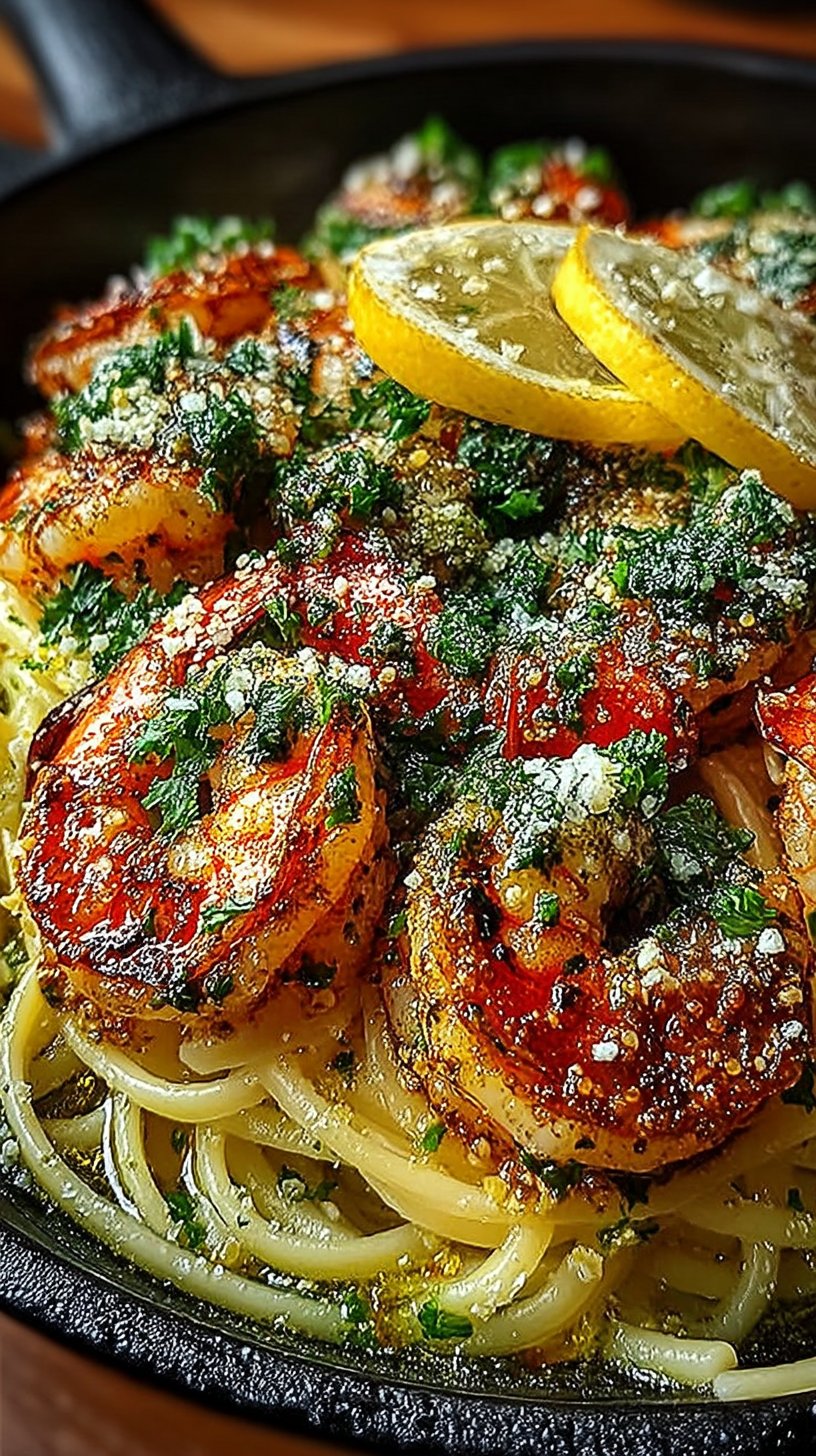
Divide the shrimp scampi among serving bowls, garnish generously with fresh parsley, and serve immediately with lemon wedges on the side. There's nothing quite like squeezing fresh lemon over your finished dish—it adds that final brightness that makes your taste buds sing!
Nutrition Information
Per serving (serves 4). Values are approximate.
| Calories | 280 calories |
| Total Fat | 12g |
| Saturated Fat | 4g |
| Carbohydrates | 18g |
| Sugar | 1g |
| Protein | 28g |
| Sodium | 620mg |
| Fiber | 1g |
* Percent Daily Values are based on a 2,000 calorie diet. Your daily values may be higher or lower depending on your calorie needs. Nutritional information is an estimate and may vary.
Never Miss a Recipe
Join 5,000+ home cooks and get new recipes straight to your inbox.
Frequently Asked Questions
Can I use frozen shrimp for this recipe?
Absolutely! Frozen shrimp works wonderfully for this dish. Just make sure to thaw them completely and pat them very dry before marinating. I actually prefer using frozen shrimp sometimes because they're often fresher than what's available at my local market. Thaw them in the refrigerator overnight for best results, or place them in a bowl of cold water for about 15 minutes.
What pasta pairs best with shrimp scampi?
I love using linguine or spaghetti because their long, thin shape is perfect for capturing all that garlicky sauce. However, you could also use angel hair pasta for a more delicate feel, or even fettuccine if you prefer something heartier. Even orzo (risotto-style pasta) creates a beautiful dish with a different texture. The key is using whatever you have on hand—the shrimp and sauce are the real stars!
How can I make this recipe spicier?
If you love heat like I do, there are several ways to turn up the temperature! Increase the red pepper flakes from 1/4 teaspoon to 1/2 teaspoon or more, depending on your heat tolerance. You could also add fresh chili peppers, minced and cooked with the garlic, or finish the dish with a pinch of cayenne pepper. I sometimes add a dash of hot sauce right before serving for an extra kick.
Can I make this ahead of time?
The garlic marinade can definitely be made up to 24 hours in advance and stored in the refrigerator. However, I don't recommend marinating the shrimp for more than 2 hours, as the acid in the lemon juice can start to 'cook' the shrimp and make it mushy. The pasta should be cooked fresh right before serving for the best texture. You can cook everything together at the end and have dinner on the table in about 20 minutes!
What wine should I use for this recipe?
I use a crisp, dry white wine like Sauvignon Blanc, Pinot Grigio, or Vermentino. These wines have nice acidity that complements the lemon juice beautifully. Avoid anything sweet or too oaky. If you prefer not to use wine, you can substitute with additional chicken or vegetable broth, though you'll lose some of that lovely acidity. Some people skip the wine altogether and just use more lemon juice—it's all about what works for your palate!

Hi, I'm Lisa!
I create simple, tested recipes from around the world that anyone can make at home.
Learn More →Reader Reviews
Based on 427 reviews