Pasta & Noodles
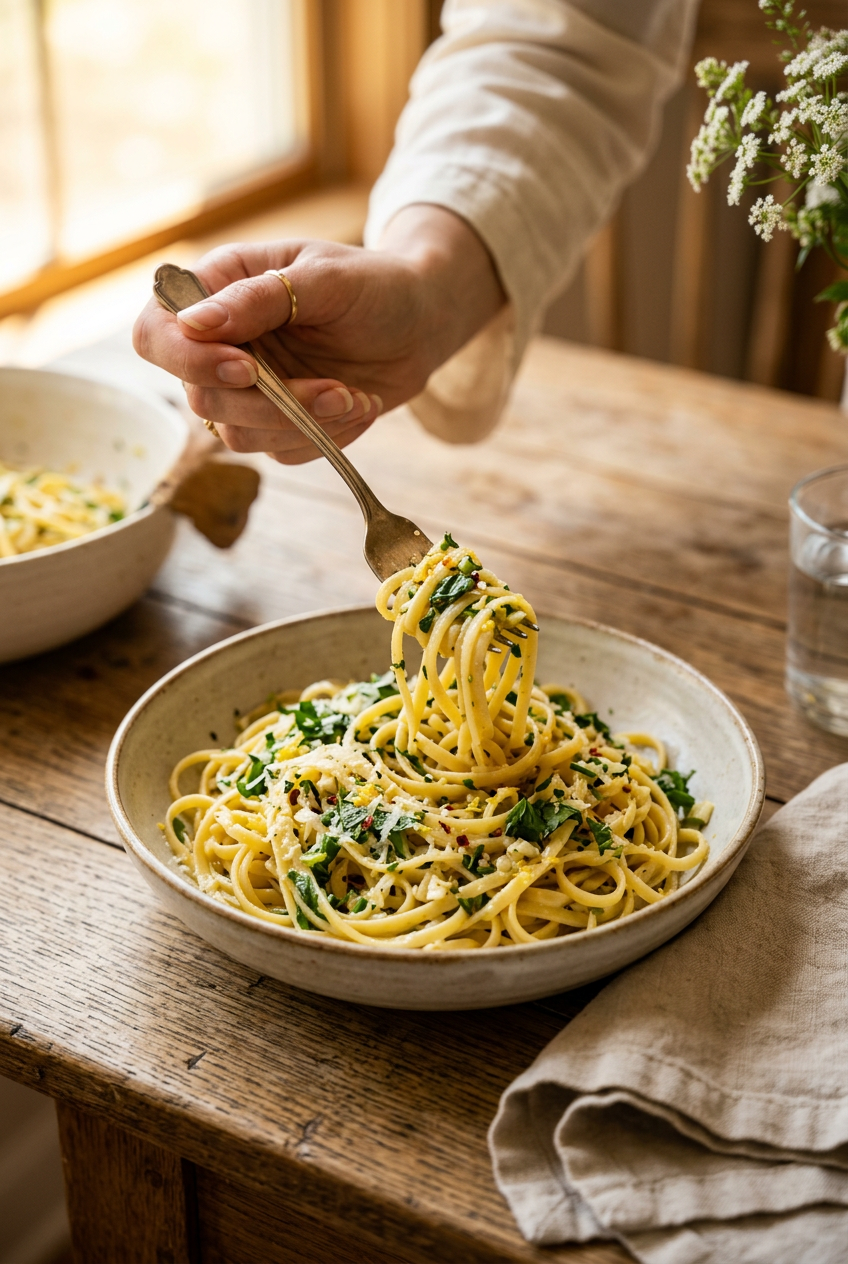
Spring Lemon Pasta with Fresh Herbs and Garlic
Why I Love Spring Lemon Pasta
There’s something magical about spring that makes me crave bright, fresh flavors, and this spring lemon pasta is exactly what my soul needs when the weather starts warming up. I first discovered a version of this dish during a cooking class in Sicily, where our instructor—a wonderful woman named Nonna Maria—taught us that the best Italian cooking is about letting quality ingredients shine. That lesson has stayed with me ever since.
This pasta is a celebration of simplicity and freshness. It’s the kind of dish that reminds you why you fell in love with cooking in the first place. There’s no heavy cream, no complicated techniques—just beautiful, honest ingredients coming together to create something truly special. The bright acidity of fresh lemon juice, the aromatic garlic, the delicate herbs, and the silky pasta water create a sauce that’s both luxurious and light.
What I adore most about this recipe is how it adapts to whatever you have on hand. Some nights I make it exactly as written, other nights I add whatever vegetables are looking beautiful at the farmer’s market. It’s a recipe that grows with you and your seasons, which is exactly what spring cooking should be about.
The Secret to Perfect Lemon Pasta Sauce
The real secret to creating a restaurant-quality lemon pasta sauce lies in understanding the power of pasta water. When you cook pasta, the starch from the pasta dissolves into the water, creating a natural emulsifier that helps bind the sauce to the pasta. This is why I always reserve pasta water before draining—it’s the difference between a sauce that clings beautifully to each strand and one that slides right off.
Another crucial element is the balance between acidity and richness. The lemon juice provides brightness and acidity, while the olive oil and butter add richness and body. The key is tasting as you go and adjusting to your preference. Some people love a more lemony punch, while others prefer a more subtle citrus note. There’s no wrong answer—it’s all about what makes your taste buds happy.
I also recommend using fresh lemon juice rather than bottled. The difference is remarkable. Fresh lemons have a complexity and brightness that bottled juice simply can’t replicate. Plus, when you zest the lemons, you’re capturing those essential oils that add incredible depth to the dish. If you can only find bottled juice, use it, but fresh is always worth the extra effort.
Choosing Your Herbs Wisely
The herbs in this dish are absolutely essential—they’re not just garnish, they’re a core component of the flavor profile. I use a combination of basil, parsley, and mint because each brings something different to the table. Basil adds a peppery sweetness, parsley provides an earthy freshness, and mint brings a cool, bright note that complements the lemon beautifully.
When selecting herbs, look for vibrant green leaves with no browning or wilting. If you’re shopping at a farmer’s market, ask the vendor when the herbs were harvested—the fresher, the better. At home, store your herbs in a glass of water on the counter (like a bouquet of flowers) rather than in the fridge. They’ll stay fresher longer and you’ll be more likely to use them.
If you can’t find fresh mint, don’t stress—you can absolutely make this with just basil and parsley. Conversely, if you have other fresh herbs you love, experiment! Dill, tarragon, or chives would all be wonderful additions. This is where cooking becomes personal and creative. Trust your instincts and your palate.
Making This Dish Your Own
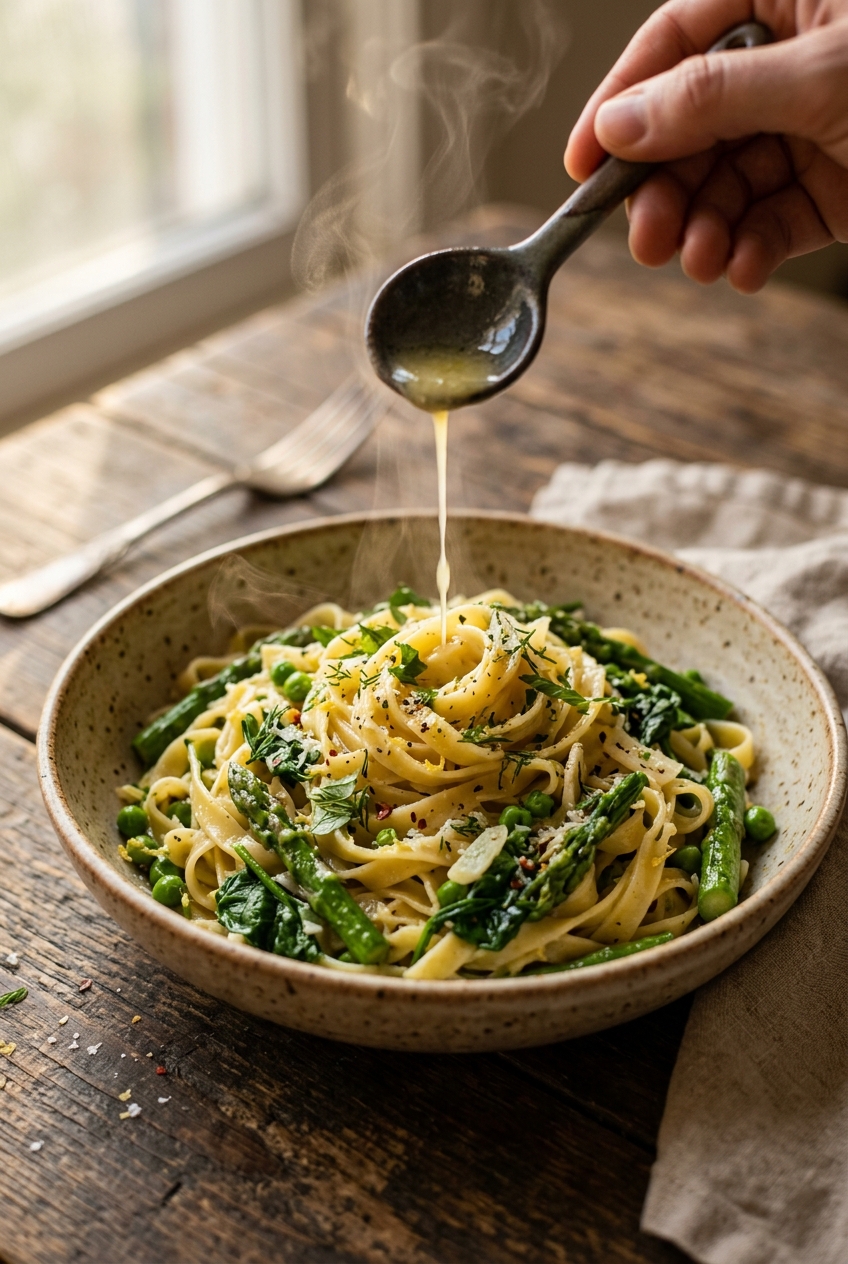
One of the things I love most about cooking is taking a recipe and making it reflect who you are and what you have available. This spring lemon pasta is the perfect canvas for that kind of creativity. If you’re a seafood lover, add some seared scallops or shrimp. If you prefer vegetables, roasted asparagus, fresh peas, or sun-dried tomatoes would be beautiful. If you want more protein, grilled chicken breast or crispy pancetta would add wonderful depth.
You can also play with the cheese. While I love Pecorino Romano for its sharp, salty bite, Parmigiano-Reggiano would be equally delicious with a slightly nuttier flavor. Some people even prefer a combination of both. And if you’re dairy-free, nutritional yeast adds a savory, umami quality that’s quite satisfying.
The beauty of this recipe is that it’s forgiving and adaptable. It’s not a delicate soufflé that falls apart if you look at it wrong. It’s a sturdy, flexible dish that welcomes your personal touches and preferences. That’s the hallmark of truly great cooking—recipes that become part of your repertoire and evolve with your tastes.
Spring Entertaining Made Easy
If you’re looking to impress guests without spending hours in the kitchen, this spring lemon pasta is your answer. It looks elegant and tastes sophisticated, yet it comes together in just 35 minutes. You can prep everything ahead of time, and then simply cook and assemble when your guests arrive. There’s something wonderful about finishing a dish right in front of people—it shows care and attention without being fussy.
I often serve this as a first course at spring dinner parties, followed by a simple grilled protein and roasted vegetables. It sets the tone for the meal—fresh, bright, and full of flavor. You could also make it the main course and add some protein as I mentioned earlier. Either way, your guests will be impressed by how refined and delicious it is.
The other wonderful thing about this pasta is that it’s naturally light, which means people won’t feel too full before dessert. It’s the kind of dish that makes you feel nourished and satisfied without being heavy. That’s the essence of spring cooking—food that celebrates the season’s abundance while respecting our bodies’ desire for lightness after winter.
Ingredients
Pasta & Base
Lemon & Herbs
Finishing Touches
Instructions
Bring Water to Boil
Fill a large pot with water and bring it to a rolling boil. Add a generous pinch of sea salt—the water should taste like the sea. This is your foundation for perfectly seasoned pasta. I always use this moment to gather my fresh herbs and prepare my lemon zest, making sure everything is ready to go once the pasta hits the water.
Cook the Pasta
Add your spaghetti or linguine to the boiling water and cook according to package directions, but aim for al dente—usually about 2 minutes before the package suggests. Before draining, reserve 1 cup (240ml) of pasta water in a measuring cup. This starchy liquid is liquid gold for creating a silky sauce that clings beautifully to every strand.
Infuse the Oil with Garlic
While the pasta cooks, heat the olive oil in a large skillet over medium heat. Add your thinly sliced garlic and red pepper flakes, stirring gently for about 2-3 minutes until the garlic becomes fragrant and just begins to turn golden. Be careful not to let it brown—we want that delicate, sweet garlic flavor, not bitter. This is where the magic begins, and your kitchen will smell absolutely incredible.
Create the Lemon Sauce
Pour the fresh lemon juice into the skillet with the garlic oil, followed by the lemon zest. Let it bubble gently for about 1 minute to marry the flavors. Then add 1/2 cup (120ml) of your reserved pasta water, stirring to combine. This creates a light, emulsified sauce that's bright and balanced. Taste it—this is your moment to adjust the acidity and salt to your preference.
Combine Pasta and Sauce
Add your drained pasta directly to the skillet with the lemon sauce. Toss gently but thoroughly, adding more pasta water a splash at a time if needed to achieve a silky consistency. The pasta should be coated in a glossy, light sauce, not swimming in liquid. This is where patience pays off—take your time to ensure every strand is beautifully dressed.
Finish with Butter and Herbs
Remove the skillet from heat and stir in the cold butter, allowing it to melt into the sauce and create an even silkier texture. Now fold in your fresh basil, parsley, and mint. The heat from the pasta will gently warm the herbs while preserving their vibrant flavor and color. This is the moment where spring truly comes alive on your plate.
Plate and Serve
Divide the pasta among four bowls, making sure each serving gets plenty of sauce. Top generously with grated Pecorino Romano cheese, a drizzle of your best olive oil, and a few fresh lemon slices. If you're feeling fancy, add some microgreens for a pop of color and freshness. Serve immediately while everything is warm and the herbs are at their most vibrant.
Nutrition Information
Per serving (serves 4). Values are approximate.
| Calories | 385 calories |
| Total Fat | 18g |
| Saturated Fat | 6g |
| Carbohydrates | 48g |
| Sugar | 2g |
| Protein | 14g |
| Sodium | 420mg |
| Fiber | 2g |
* Percent Daily Values are based on a 2,000 calorie diet. Your daily values may be higher or lower depending on your calorie needs. Nutritional information is an estimate and may vary.
Never Miss a Recipe
Join 5,000+ home cooks and get new recipes straight to your inbox.
Frequently Asked Questions
Can I make spring lemon pasta ahead of time?
I don't recommend making this dish too far in advance because the fresh herbs lose their vibrancy and the pasta can become mushy. However, you can prep all your ingredients—zest the lemons, juice them, chop the herbs, and slice the garlic—up to 4 hours ahead. Store everything in separate containers in the fridge, and you'll have a quick assembly when you're ready to cook. The actual cooking takes just 35 minutes, so it's perfect for a weeknight dinner!
What type of pasta works best for spring lemon pasta?
I love using long, thin pastas like spaghetti or linguine because they allow the delicate lemon sauce to coat every strand beautifully. That said, you could also use fettuccine for a slightly heartier bite, or even short pasta like penne if that's what you have on hand. The key is choosing a shape that will hold onto that gorgeous sauce. Avoid heavy, chunky pastas—this dish is all about lightness and elegance.
Is this recipe vegetarian and vegan-friendly?
This recipe is naturally vegetarian! For a vegan version, simply omit the butter and Pecorino Romano cheese, or replace them with vegan alternatives. The pasta water creates such a silky sauce on its own that you won't miss the richness. I've made it both ways, and honestly, the vegan version is just as delicious. The lemon and fresh herbs are really the stars here.
Can I add protein to this dish?
Absolutely! This is where your creativity comes in. I often add grilled chicken breast, seared shrimp, or even crispy pancetta for extra flavor and substance. If you're vegetarian, roasted cherry tomatoes, artichoke hearts, or fresh peas would be wonderful additions. Just cook your protein separately and toss it in at the end. The beauty of this spring lemon pasta is its versatility—it's a perfect canvas for whatever you love.
What should I serve with spring lemon pasta?
This light, fresh pasta pairs beautifully with a crisp white wine like Pinot Grigio or Sauvignon Blanc. For sides, I'd suggest a simple green salad with a light vinaigrette, some crusty bread for soaking up the sauce, or roasted asparagus. Keep the sides light and fresh to complement the delicate flavors of the pasta. A fresh fruit dessert like lemon panna cotta or strawberry sorbet would be the perfect ending to your spring meal.

Hi, I'm Lisa!
I create simple, tested recipes from around the world that anyone can make at home.
Learn More →Reader Reviews
Based on 247 reviews